
Building protection for 60,000 workers: Global Accelerator advances progress in Malawi’s Workers’ Compensation Fund

Malawi - For years, thousands of workers in Malawi have faced uncertainty whenever workplace injuries occurred. While the Workers’ Compensation Act provides a legal framework for compensation, the current employer liability workers compensation system faces several challenges; many workers and employers have struggled with delays in claim processing, costly litigation, fraudulent claims, and accessing insurance coverage. These difficulties often leave injured workers and their families vulnerable at a time they need support the most.
Against this backdrop, significant processes towards reforming the workers compensation system have commenced, from 23rd to 26th June 2026, the Ministry of Labour, Skills and Innovation, with financial and technical support from the Global Accelerator Joint Programme, convened stakeholders policy dialogue with the tea sector on the phased implementation of a Social Insurance Workers’ Compensation Fund. The meeting brought together representatives from the Tea Association of Malawi (TAML), Plantation and Agriculture Workers Union, Malawi Congress of Trade Unions (MCTU), Employers Consultative Association of Malawi (ECAM), and the International Labour Organization (ILO).
"The Government remains committed to establishing an effective and sustainable Workers’ Compensation Fund. The proposed Fund responds to a long-standing demand from both employers and workers for a system that delivers predictable, timely, and equitable compensation while ensuring long-term financial sustainability," said Mr. Arthur Ntandika, Workers’ Compensation Commissioner while opening the meeting.
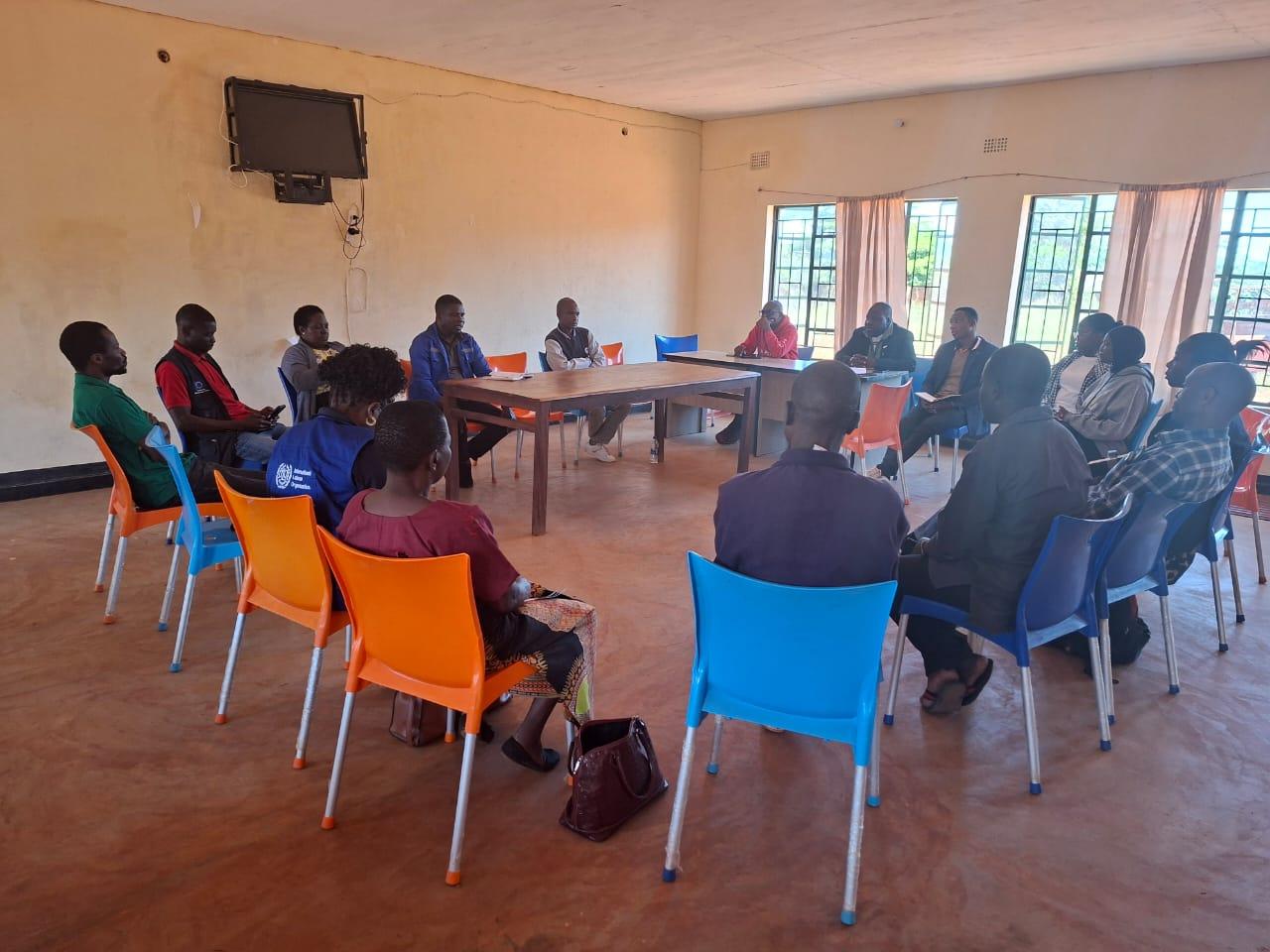
The tea sector was deliberately selected as the starting point as it is Malawi’s largest private-sector employer, employing approximately 60,000 workers during peak seasons and supports thousands of smallholder farmers whose livelihoods depend on tea production. Any improvements in employment injury protection therefore have the potential to positively impact thousands of families depending on the tea sector. The ILO highlighted that employment injury protection is a fundamental pillar of social security and that social insurance schemes are internationally recognized as the preferred model for protecting workers against workplace accidents and diseases. Such schemes spread risks across employers, guarantee access to benefits, and provide stronger financial sustainability than traditional employer liability systems.
The discussions moved beyond the conference room, as participants travelled to tea estates in Thyolo and Mulanje and met both estate managers and members of tea growers’ associations. These visits revealed a sector readiness as employers demonstrated strong willingness to contribute to the proposed Fund, while local stakeholders expressed optimism that a more efficient compensation system could reduce disputes and improve trust between workers and employers.
One of the strongest messages emerging from the engagement was the spirit of partnership. Government, employers, and workers, all agreed that successful implementation would require ongoing dialogue, awareness raising, transparency, and shared responsibility. Stakeholders also recommended that the Fund be governed by an autonomous institution with strong employer and worker representation to ensure accountability and public confidence.
"The need for reform is becoming increasingly urgent for employers. Many tea estates are facing growing challenges in managing compensation claims, including rising litigation cases, delayed settlements, and declining trust in the existing system. More recently, some insurance companies have stopped renewing workers’ compensation insurance policies, leaving employers exposed to significant financial risks and workers uncertain about their future protection. The proposed Fund offers an opportunity to replace these challenges with a more reliable and collectively financed system," said Mr. Sangwani Hara, Board Chairperson of the Tea Association of Malawi (TAML).
A roadmap for phased implementation was developed, strategic partnerships were strengthened, and immediate next steps were agreed. These include engagement with the TAML Board, dissemination of awareness materials throughout the tea sector, technical review of costing assumptions with ILO support, and expansion of the roll out to other sectors such as the manufacturing sector.
For the thousands of tea workers who harvest Malawi’s tea under challenging conditions, the proposed Workers’ Compensation Fund represents more than a policy reform. It is a promise of dignity, security, and protection. For employers, it offers a pathway towards a more predictable and sustainable compensation system. Together, these efforts mark an important step towards a future where no worker or family is left unprotected when workplace injuries occur.
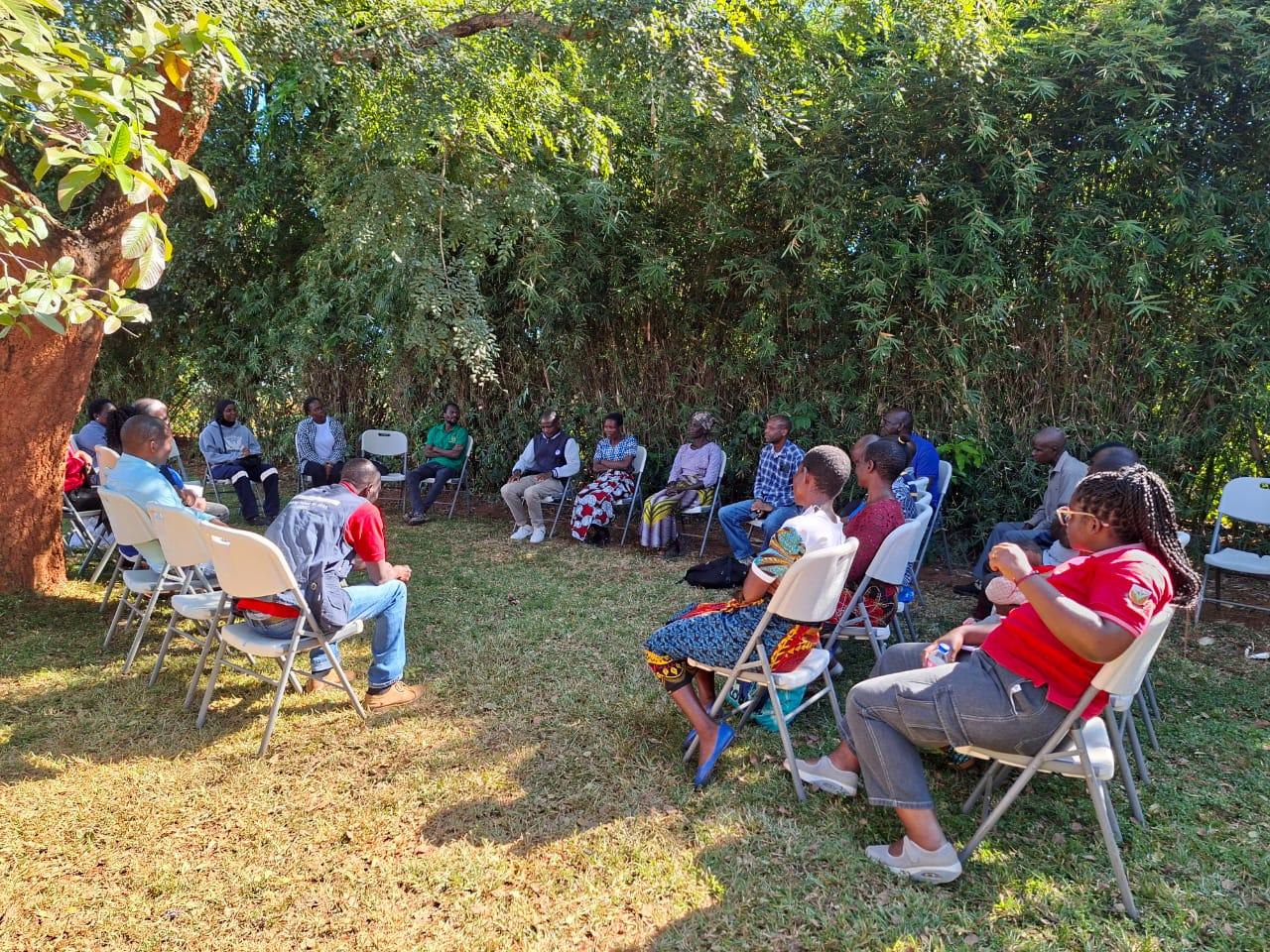
"Injured workers often face significant delays in receiving compensation, placing immense financial strain on their families. The proposed Workers’ Compensation Fund can strengthen social protection, promote decent work and social justice, and ensure that injured workers receive the support and benefits they need when they need them most," said Mr. Falison Lemani, Treasurer General, Malawi Congress of Trade Unions.