
Driving sustainable youth employment in Nkhata Bay: Government and community leadership power the Wamaka Cooperative intervention
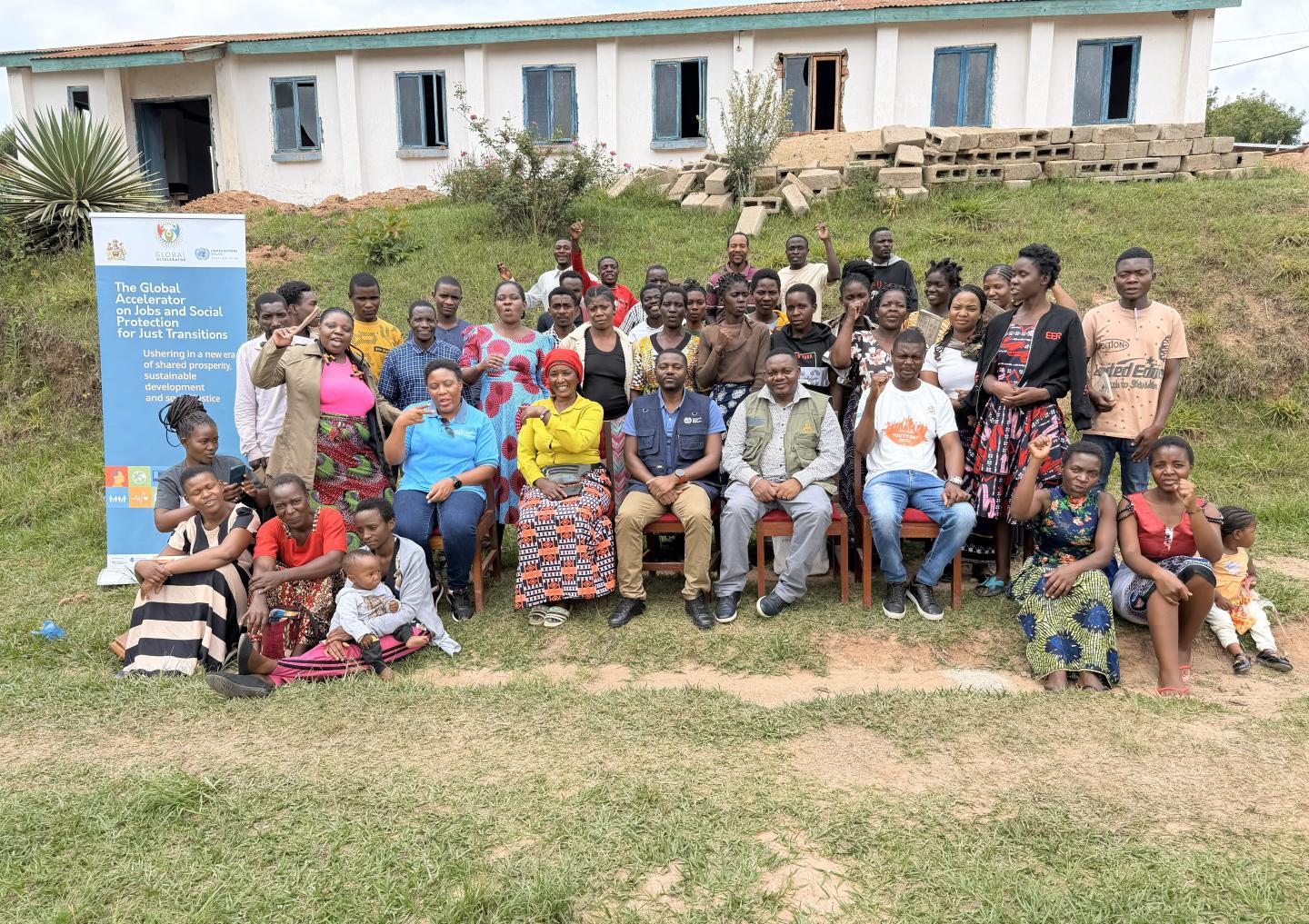
Malawi - In the heart of Nkhata Bay, a quiet revolution is taking shape, one that promises jobs, dignity and a future for young people. At the centre of this transformation is the Wamaka Youth for Development Cooperative, a dynamic group of young innovators determined to turn fish farming into a pathway for prosperity. This initiative is part of the Global Accelerator on Jobs and Social Protection for Just Transitions' UN Joint Programme: Accelerating Employment Creation and Social Protection through Integrated Agriculture Value Chain Development designed to accelerate employment creation and strengthen social protection systems.
Through the programme, Wamaka Cooperative is piloting an ambitious aquaculture project that will rehabilitate six fishponds, train 50 youths in fish farming and entrepreneurship, and unlock new opportunities across the aquaculture value chain. As part of the intervention, cooperative members and participating youths undertook a week-long business management skills training, facilitated by Certified Officials from the Ministry of Youth, focusing on enterprise planning, financial management, marketing, and cooperative governance. This training is followed by a two-month structured mentorship period to support practical implementation, reinforce learning, and clarify key business concepts as participants operationalize their enterprises. Reflecting on the training, Mr Francis Chirambo, a member of the Wamaka Cooperative, noted, “The practical exercises helped us turn theory into real business plans. Working through real-life scenarios during the training gave us confidence to manage our fish farming activities as a business, not just a project.”
During engagements with the Wamaka Youth Development Cooperative, traditional chiefs pledged unwavering support through land stewardship, community mobilization, and cultural guidance. Their involvement ensures that the project is deeply rooted in local governance systems, strengthening localization of development programmes and reinforcing community ownership—an essential factor for the sustainability and legitimacy of the intervention.
For the cooperative’s young members, this initiative represents a turning point, one that transforms hope into tangible economic prospects. They highlighted the intervention as a catalyst that will enable them to expand aquaculture production, strengthen their business skills, and tap into new market opportunities. Government leadership has been equally strong, with Mr. Joel Sibale, District Youth Officer, reaffirmed the Government’s commitment to driving the intervention and underscoring the importance of close collaboration with partners. He emphasized that strengthening youth capacity requires more than training alone, noting, “When the government works hand-in-hand with communities and partners to equip young people with productive resources, we enable them to build viable enterprises that can sustainably improve their livelihoods and contribute to local economic development.” He further highlighted that the initiative is well aligned with district priorities on youth employment, social protection, and the growth of local enterprises.
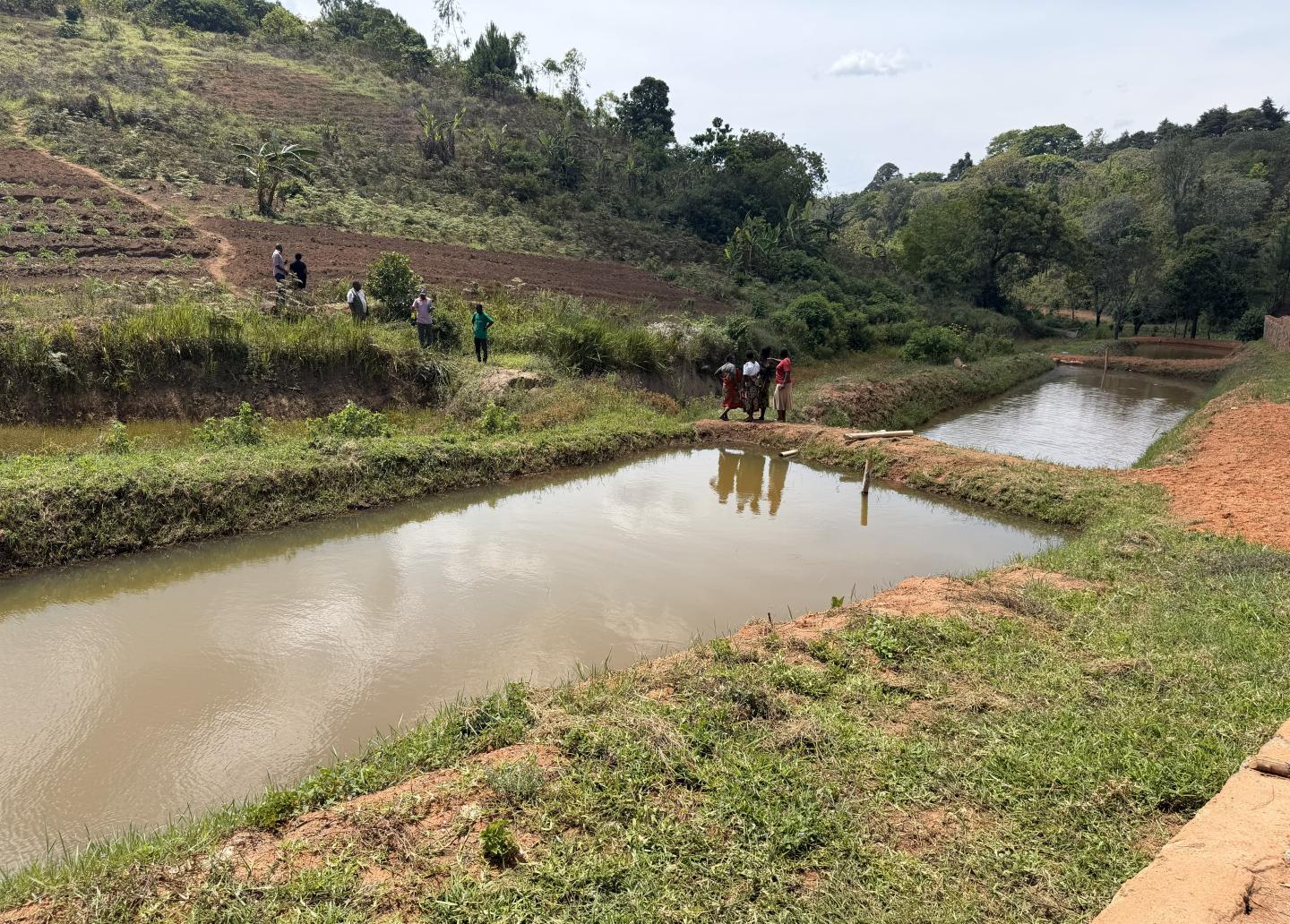
A visit to Wamaka’s fishponds showcased their potential opportunities to evolve into hubs of youth-led innovation. The aquaculture initiative promises job creation through expanded fish production, improved processing and market linkages, and new ventures in eco-tourism and hospitality. These opportunities align with Malawi’s Global Accelerator National Roadmap, which prioritizes agriculture and tourism as engines of inclusive growth.
With empowered youth, engaged traditional leaders, and strong government backing, Nkhata Bay is emerging as a model for sustainable job creation. As the UN Joint Programme continues to provide technical support, this partnership is turning hope into progress, one fish pond at a time.
The Government – UN Global Accelerator joint programme on jobs and social protection is being implemented with financial support from the governments of Belgium, Germany, Ireland, Korea and Spain.