
From informal skills to national recognition: Transforming lives through Recognition of Prior Learning in Malawi
Lilongwe, Malawi - The Government of Malawi, through the Ministry of Labour, Skills and Innovation, launched the Recognition of Prior Learning (RPL) initiative in 2021 to formally recognize skills acquired through informal and non-formal learning pathways. The initiative aims to promote inclusiveness, equity, and access to certification for workers who possess practical skills but lack formal qualifications. Across Malawi, more than 80 per cent of workers acquire skills informally through apprenticeships, on-the-job experience, and years of practical work, yet fewer than 5 per cent hold formal TEVET qualifications, excluding them from formal labour markets.
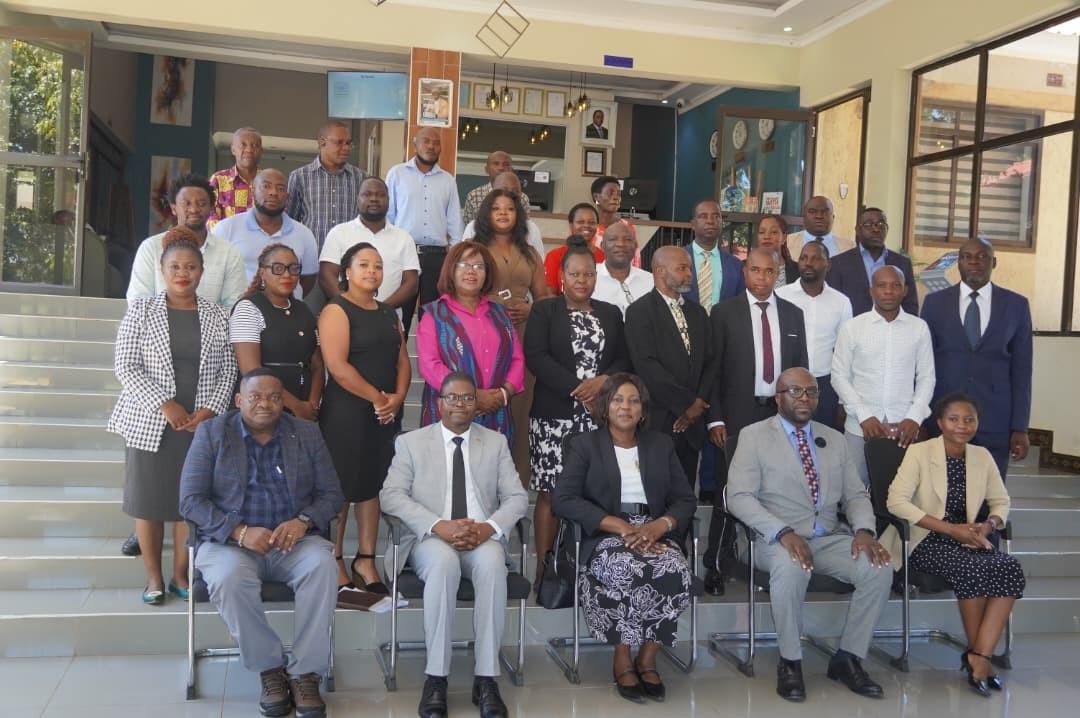
With support from the Global Accelerator, the Ministry is strengthening its capacity to scale up RPL implementation nationwide. A key achievement has been the training of 35 additional RPL assessors on 19 – 24 April 2026, bringing the total number supported by the initiative to 105. This expansion is expected to improve access to skills assessment and certification, particularly for workers in agriculture value chains and the informal economy.
Opening the workshop, Principal Secretary for Labour, Nwazi Mnthambala emphasized the importance of ensuring that RPL is understood and embraced by all sectors, including employers, workers’ organizations, TEVET institutions, and communities. She highlighted that many Malawians possess valuable skills acquired informally, and RPL provides an opportunity to formally recognize these competencies to improve employability and productivity.
Despite the progress made, awareness and uptake of RPL remains low. By 2025, only 239 artisans had been certified under the framework. According to Mr Joseph Chirombo, the Director of Assessment and Certification in the Ministry, “the challenge is not the absence of skills, but the lack of recognition. This gap exists not because skills are absent, but because they remain invisible to the formal economy.”
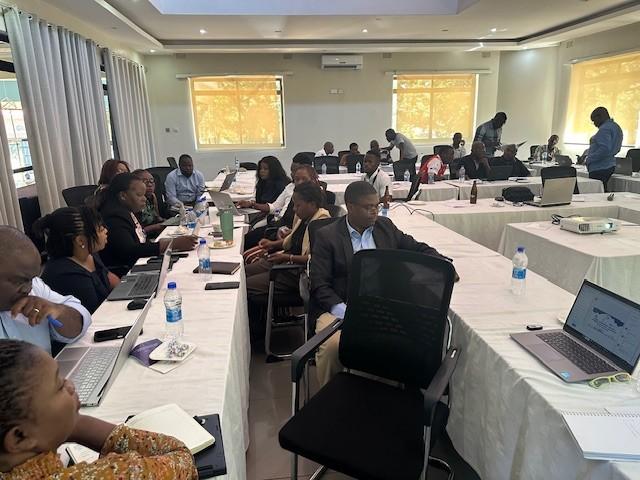
During the training, the Department of Assessment and Certification Services (DACS) led the development of an RPL Communication Strategy aimed at increasing awareness, strengthening stakeholder coordination, and improving acceptance of the system. The workshop also supported the development of RPL assessment tools in Edible Horticulture, Refrigeration and Air Conditioning Mechanics, and Fabrication and Welding.
The workshop brought together representatives from the Ministry of Labour, Ministry of Information and Communication Technology (MoICT), Technical, Entrepreneurial and Vocational Education and Training Authority (TEVETA), Malawi Congress of Trade Unions (MCTU), Employers Consultative Association of Malawi (ECAM), technical training institutions, the Roads Authority, and private sector industry representatives. The broad participation reflected growing national commitment to strengthening Malawi’s skills recognition ecosystem through collaboration and social dialogue.
Participants also identified areas requiring further improvement, and technical teams were tasked with incorporating stakeholder feedback and finalizing the tools for submission to the Department of Assessment and Certification Services (DACS). Stakeholders also agreed to establish a drafting team to finalize the Communication Strategy, submit finalized documents to Ministry Management for review, and organize a national validation meeting with key stakeholders.
Currently, RPL assessments are being conducted in 12 trades, with all 22 TEVET trades expected to be ready for RPL assessments by mid-2027. As Malawi continues to scale up the Recognition of Prior Learning initiative, the programme holds immense potential to unlock human capital, strengthen labour market competitiveness, and ensure that skills are recognized, valued, and rewarded.