
From ambition to action: Delivering opportunities for every Namibian
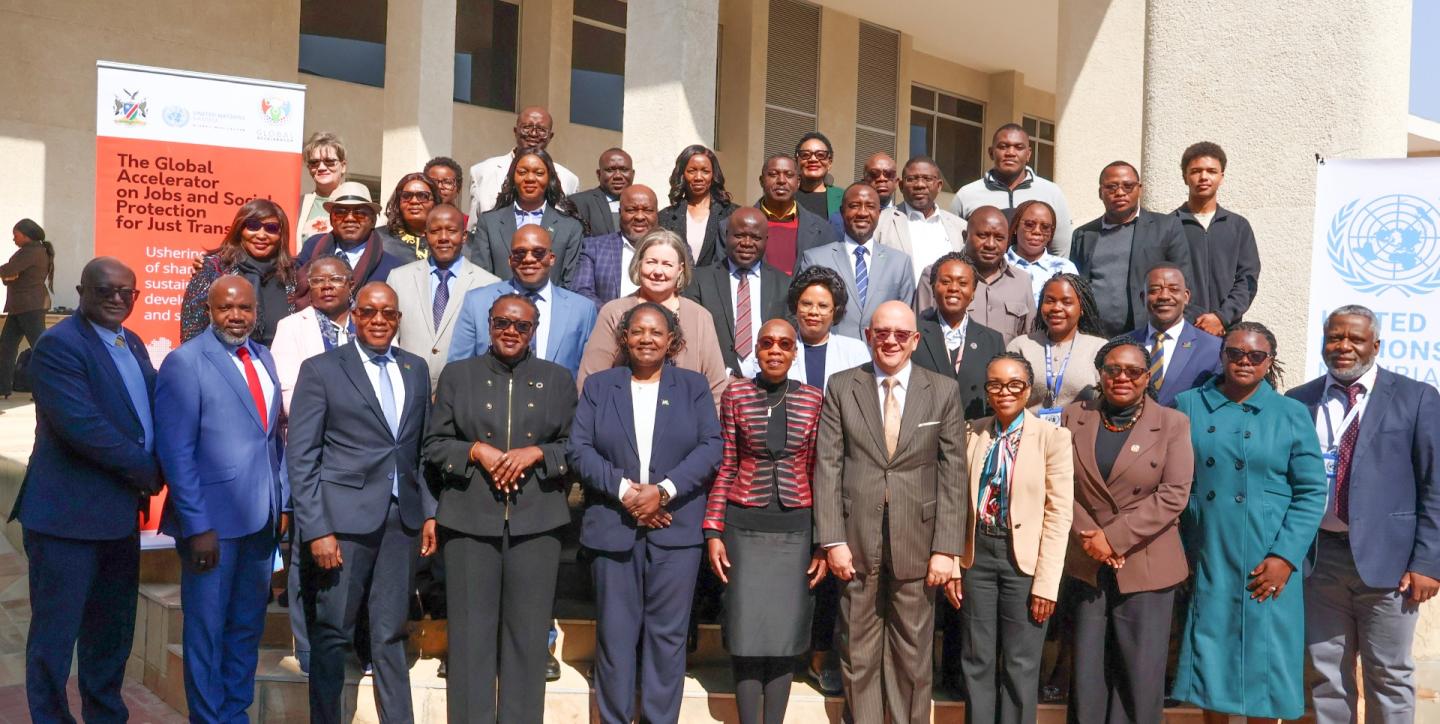
Windhoek, Namibia - It is not often that the Secretary to Cabinet convenes Executive Directors from across government ministries together with the entire United Nations Country Team to focus on a single national development challenge. Yet this is precisely what took place in Windhoek as Namibia signalled an important shift in the way it intends to accelerate employment creation and strengthen social protection through the Global Accelerator on Jobs and Social Protection for Just Transitions, a platform that brings together government institutions, development partners, workers' and employers' organizations, the private sector and civil society around a shared implementation agenda.
Rather than treating jobs, skills development, industrialization, education, digital transformation and social protection as separate policy agendas, the dialogue recognised that these priorities are interconnected and require coordinated action across the government and society. Convened under the leadership of Ms Emilia Mkusa, Secretary to Cabinet Ambassador, the engagement brought together Executive Directors from across the government and the full United Nations Country Team to explore how the Global Accelerator can support implementation of Namibia's Sixth National Development Plan. More than a coordination meeting, it represented a strategic shift towards treating employment creation and social protection as shared national priorities requiring collective leadership, integrated planning and coordinated investment across sectors.
A new way of delivering development
Namibia enters implementation of the Sixth National Development Plan at a pivotal moment. The government has committed to creating 500,000 jobs, accelerating economic transformation, strengthening resilience, expanding education and skills development and ensuring that no one is left behind.
The urgency of this agenda is clear. Namibia's broad unemployment rate stands at 36.9 per cent, while youth unemployment remains 44.4 per cent among people aged 15 to 35. More than half of unemployed youth are between the ages of 15 and 24, underscoring the need for coordinated action that connects education, skills development, investment and employment creation.
Participants recognized that no single institution can create jobs on its own. Education must equip young people with relevant skills. Industrial policy must attract investment and create productive employment. Digital transformation must improve productivity and service delivery. Social protection must provide security that enables people to participate fully in economic life. Success therefore depends on institutions working together rather than pursuing separate mandates.
Secretary to Cabinet calls for shared national action
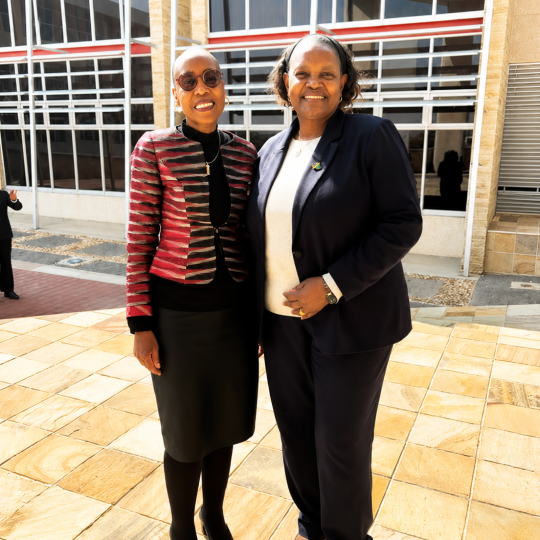
Ms Emilia Mkusa emphasised that citizens judge development by outcomes rather than institutional arrangements. She stressed that employment creation, livelihoods and resilience cannot be delivered by one institution acting alone and called for stronger alignment across ministries, regional authorities, development partners, the private sector, workers' organisations, academia and civil society.
“Our citizens are not concerned with institutional boundaries; they are concerned with outcomes. They want to see decent jobs, opportunities for young people, stronger support systems for vulnerable households, and visible improvements in their daily lives,” she observed.
The dialogue reflected an important evolution in Namibia's development approach, from coordinating institutions around individual programmes to coordinating around measurable national results. The emphasis is no longer simply on collaboration. It is on ensuring that policies, investments and institutions collectively deliver tangible improvements in people's lives.
The Global Accelerator
The Global Accelerator provides a practical mechanism for aligning government leadership, development finance, technical expertise and partnerships behind nationally identified priorities. It encourages institutions responsible for labour, education, industrialisation, economic planning, investment promotion, digital transformation and social protection to work together around a common implementation agenda. By strengthening policy coherence and encouraging integrated planning, it helps translate national priorities into coordinated action and supports implementation of the Sixth National Development Plan.
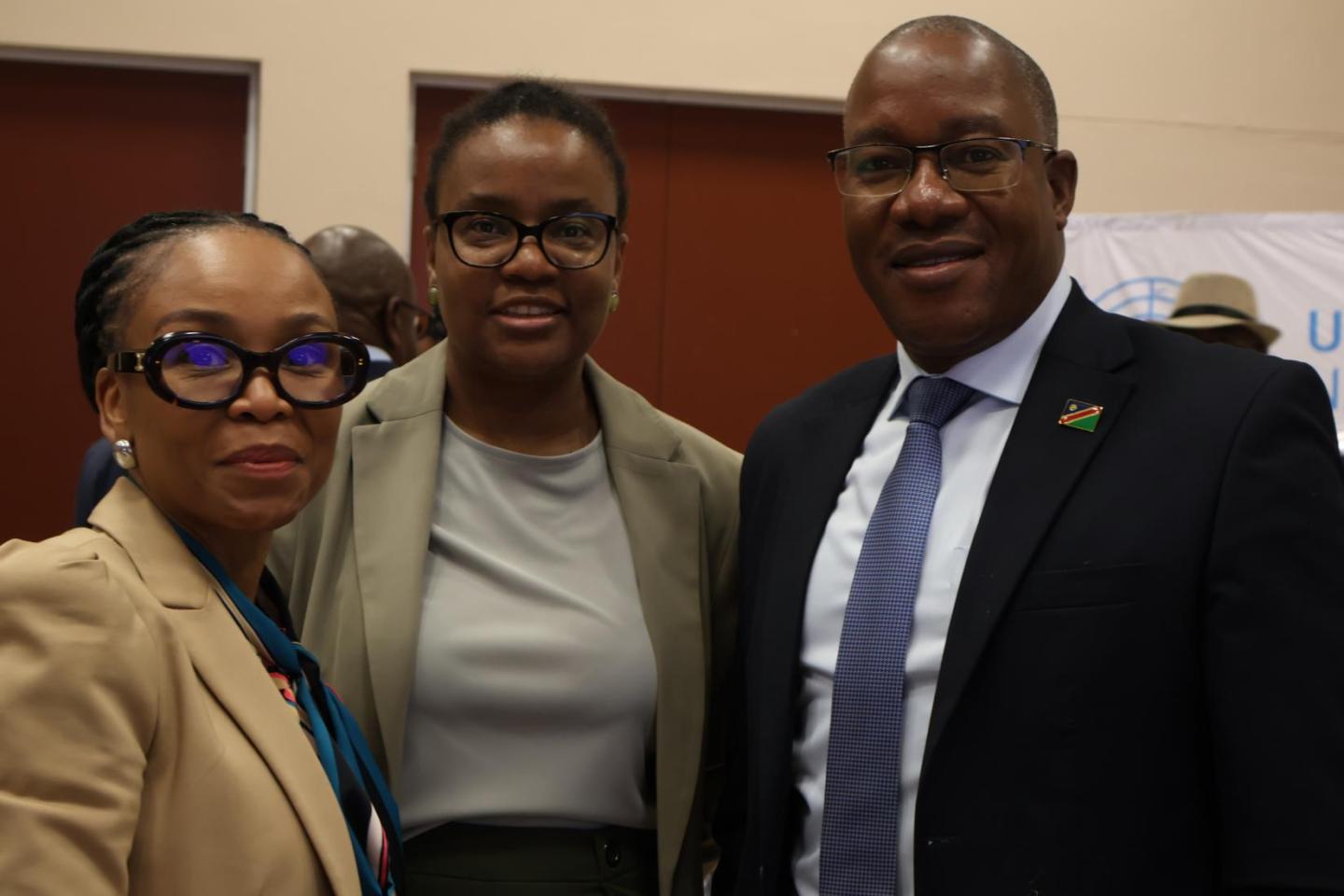
One National Agenda, One United Nations Response
Through the United Nations Sustainable Development Cooperation Framework 2025 to 2029, fourteen resident United Nations entities, together with non-resident agencies, align their comparative advantages behind the government's priorities. Rather than implementing isolated programmes, the United Nations responds as one system, combining expertise, policy advice, technical assistance and partnerships to support implementation of the Sixth National Development Plan.
From Coordination to Delivery
Participants highlighted ongoing efforts to strengthen technical and vocational education and training, expand work-based learning, support entrepreneurship, accelerate green industrialisation and prepare the workforce for emerging sectors such as renewable energy and green hydrogen. Projects that have reached Final Investment Decision represent investments exceeding N$32.2 billion and are expected to create approximately 15,000 jobs, while Namibia's broader investment pipeline exceeds N$174.9 billion. Discussions also reaffirmed the importance of strengthening Namibia's social protection system and ensuring that economic transformation benefits all citizens.
Turning Ambition into Results
The dialogue demonstrated a growing commitment to addressing employment creation and social protection as shared national priorities rather than isolated sectoral responsibilities. As Namibia accelerates implementation of the Sixth National Development Plan, the Global Accelerator offers a practical platform for translating ambition into coordinated action.
Success will ultimately be measured not by the number of meetings held or strategies developed, but by whether more Namibians secure decent work, businesses grow, communities become more resilient, and development delivers tangible improvements in people's daily lives. By aligning national leadership with international expertise and focusing on measurable results, the government and the United Nations are helping turn ambition into action for every Namibian.