
Namibia, Windhoek – The Ministry of Justice and Labour Relations, in collaboration with the International Labour Organization (ILO), held a two-day workshop on 14–15 July 2026 in Windhoek to validate the assessment of Namibia's social protection system against the Social Security (Minimum Standards) Convention, 1952 (No. 102). The convention sets the global minimum standard for all social security schemes and remains a key reference for countries strengthening their protection systems.
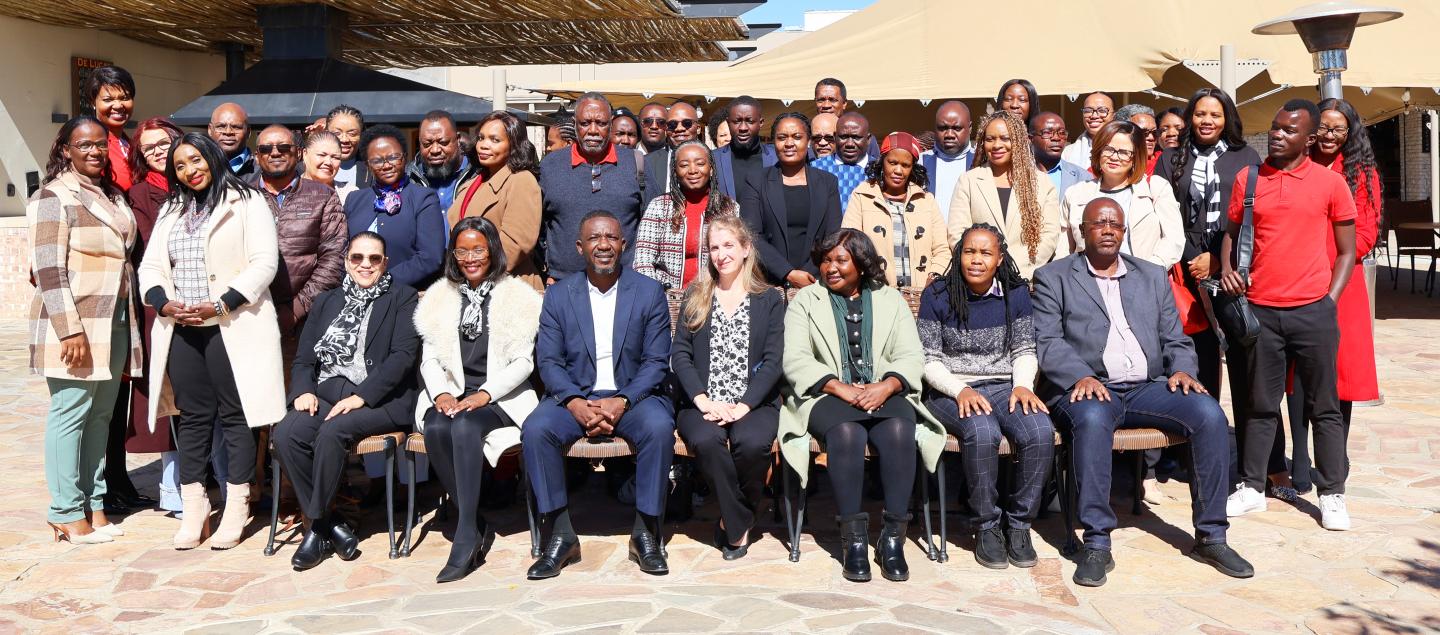
The workshop brought together senior government officials, workers' and employers' representatives, private-sector stakeholders, development partners and experts. Its outcome will inform Namibia's readiness to ratify the Convention and guide numerous ongoing reforms towards building a more comprehensive, adequate and sustainable national social protection system.
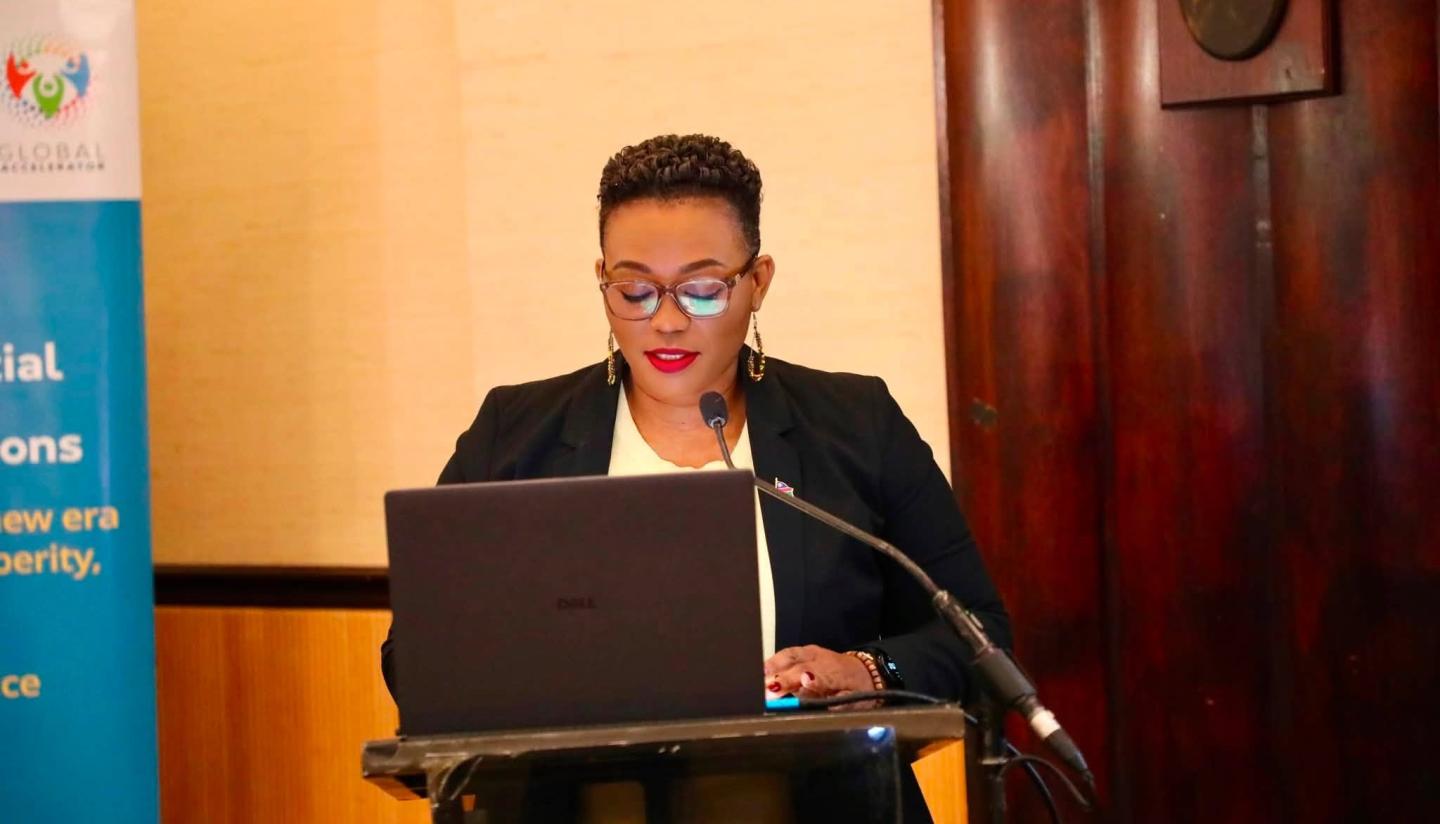
"This workshop is not just a technical exercise; it is a chance to reaffirm our constitutional duty and to move closer to a social protection system that truly leaves no Namibian behind," said Ms Aune N. Mudjanima, Acting Executive Director of the Ministry of Justice and Labour Relations, in her opening remarks.
A benchmark for comprehensive social security
Convention No. 102 is the ILO's flagship international standard on social security. It defines nine branches of protection: medical care, sickness, unemployment, old age, employment injury, family, maternity, invalidity and survivors' benefits and sets minimum benchmarks for coverage, adequacy and good governance while allowing countries to extend protection progressively; ratification requires compliance with at least three branches. To date, 68 countries, including 13 in Africa, have ratified the Convention, most recently Angola, Côte d’Ivoire, and Sao Tomé and Principe.
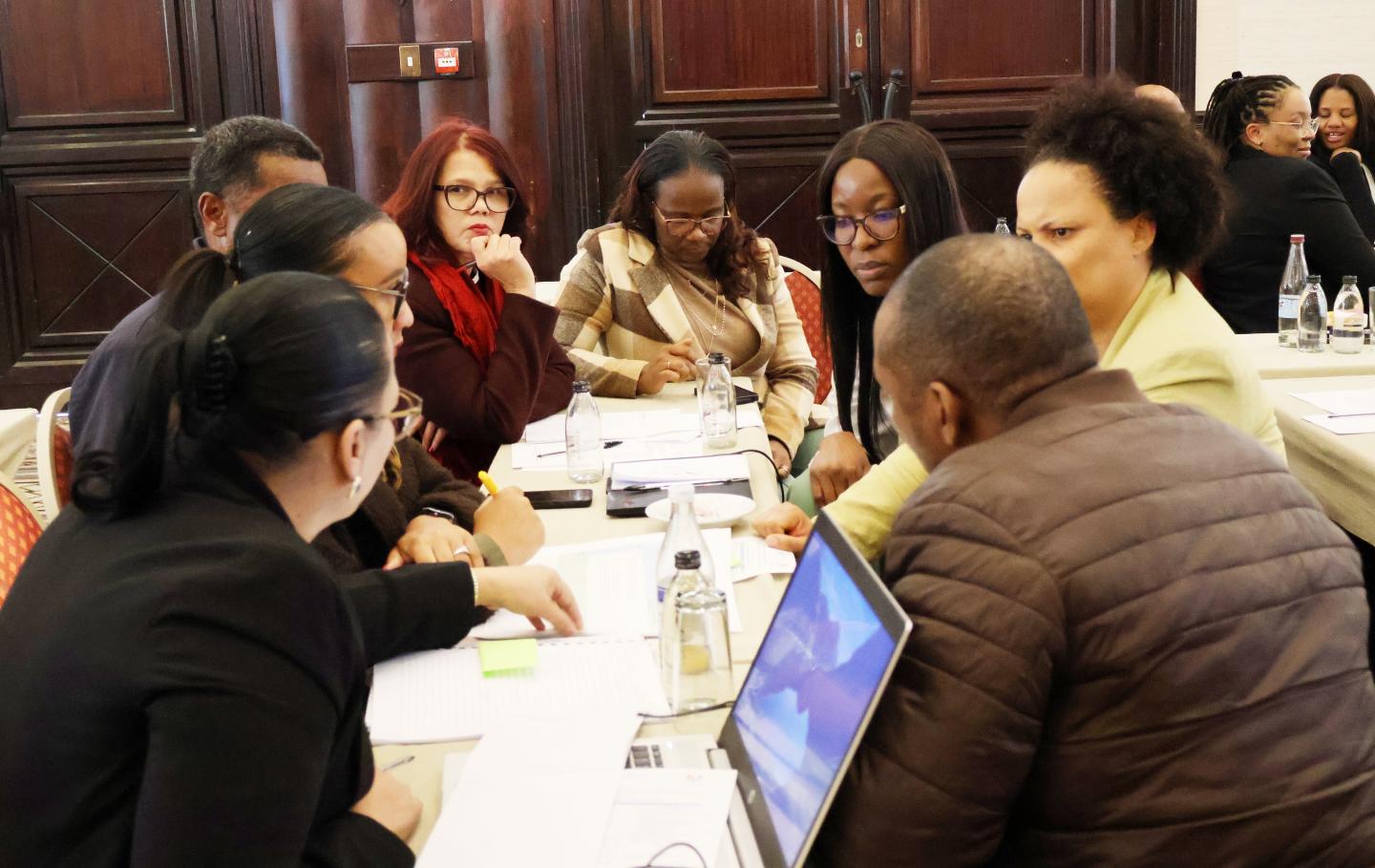
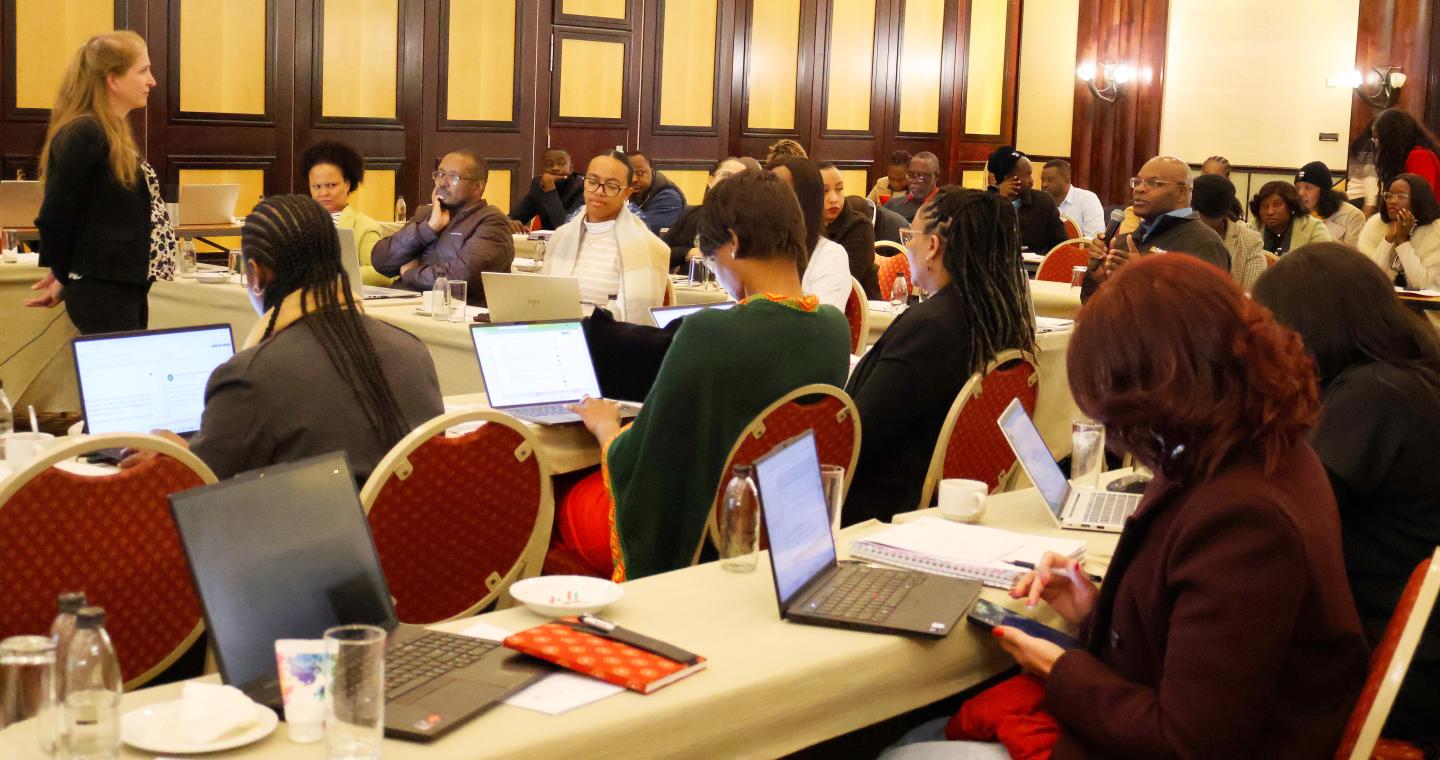
Over the two days, participants unpacked the Convention's core principles and parameters and the Global Ratification Campaign before working through the assessment's findings branch by branch, identifying where Namibia's system is in line with minimum standards, where ratification is within reach with adjustments, and where legislative gaps remain.
"This validation is an important deliverable of the Global Accelerator, and we applaud the actions of Namibia's tripartite partners in bringing it this far. The ILO stands ready to support the process further," said Mr Adolphus Chinomwe, Senior Programme Officer, ILO.
Progress and gaps identified
Namibia's commitment to social protection and adherence to ILO standards is anchored in Article 95 of its Constitution and given effect through the Social Security Act of 1994, the Labour Act of 2007 and the Social Protection Policy 2021–2031. This framework has delivered real progress: effective coverage more than doubled between 2015 and 2023, from 24.1 to 54.2 per cent of the population, driven largely by non-contributory old age and disability pensions and child benefits and employment injury protection.
The assessment nevertheless identified important gaps that impact coverage and benefit adequacy: restrictive qualifying conditions, including as regards family benefits; the level of non-contributory benefits; and wage ceilings for employment injury benefits. It also noted that the contributory old-age pension mandated under the Social Security Act has never been implemented, leaving employees reliant on occupational defined-contribution schemes that do not meet the Convention's requirements. Participants also discussed the data still needed on coverage and reference wages to finalise the analysis.
"The strength of any nation is measured not only by the wealth it creates but also by how effectively it protects its people against life's risks and uncertainties," said Ms Helene Ochs of the Namibia Employers Federation.
"The trade union movement welcomes this validation as proof of what social dialogue can achieve. We will continue to walk with government and employers on the road to ratification, because comprehensive social security is a right, not a privilege," said Mr Job Muniaro, Secretary General, National Union of Namibian Workers (NUNW).
A path towards ratification
The validated assessment provides Namibia with a technical foundation and practical roadmap for reform, from extending maternity and sickness protection to designing the National Pension Fund anchored in an internationally recognised framework. Discussions will continue through national tripartite mechanisms as the country weighs ratification and effective implementation, joining a growing global movement towards universal, rights-based social protection.
The gap analysis is a key output of Namibia's engagement as a pathfinder country under the UN Global Accelerator on Jobs and Social Protection for Just Transitions, with technical support from the ILO.
This was first published on the ILO website.