Recognizing skills, transforming lives: Informal workers gain new employment opportunities as Malawi celebrates Recognition of Prior Learning graduates
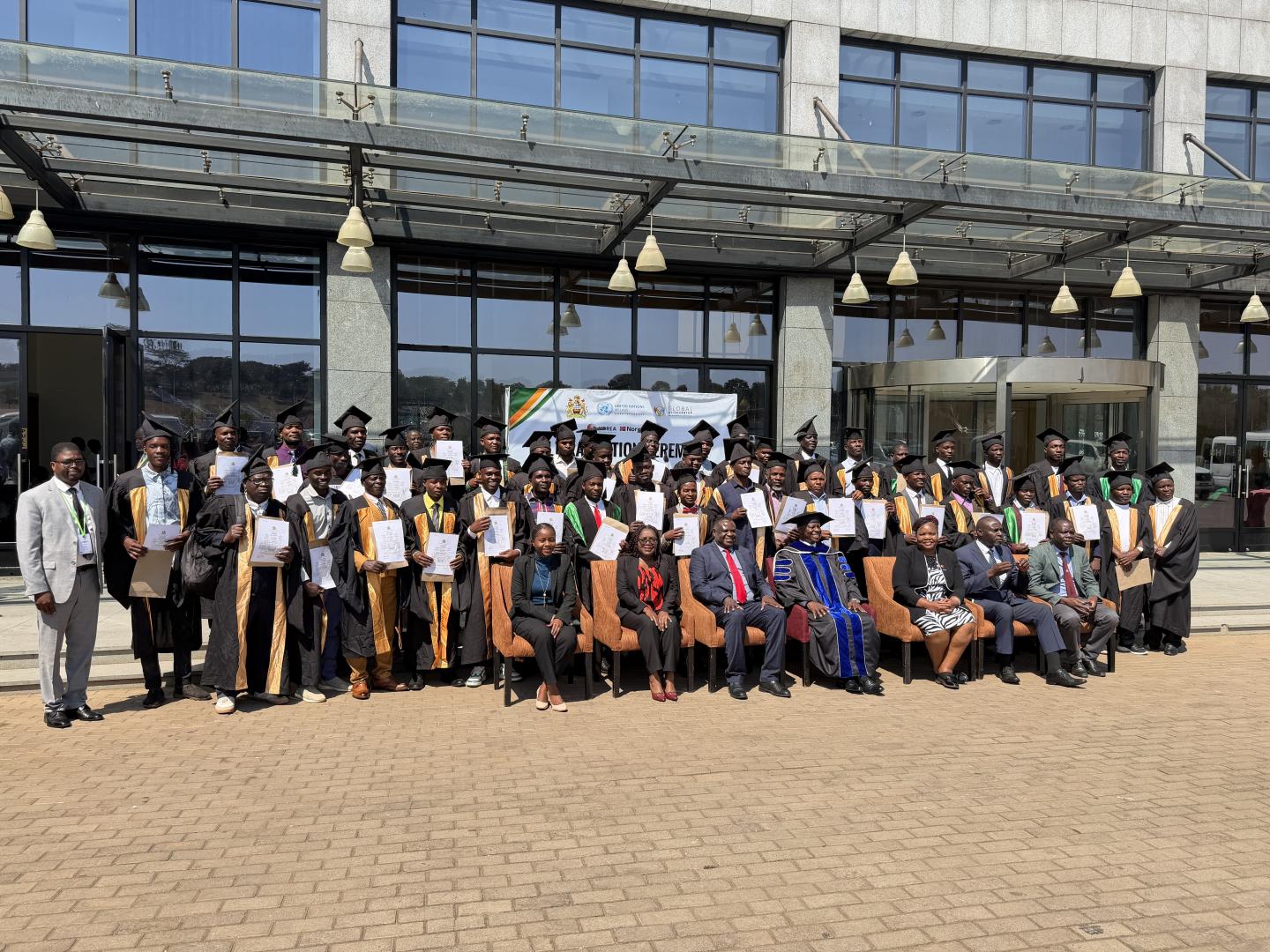
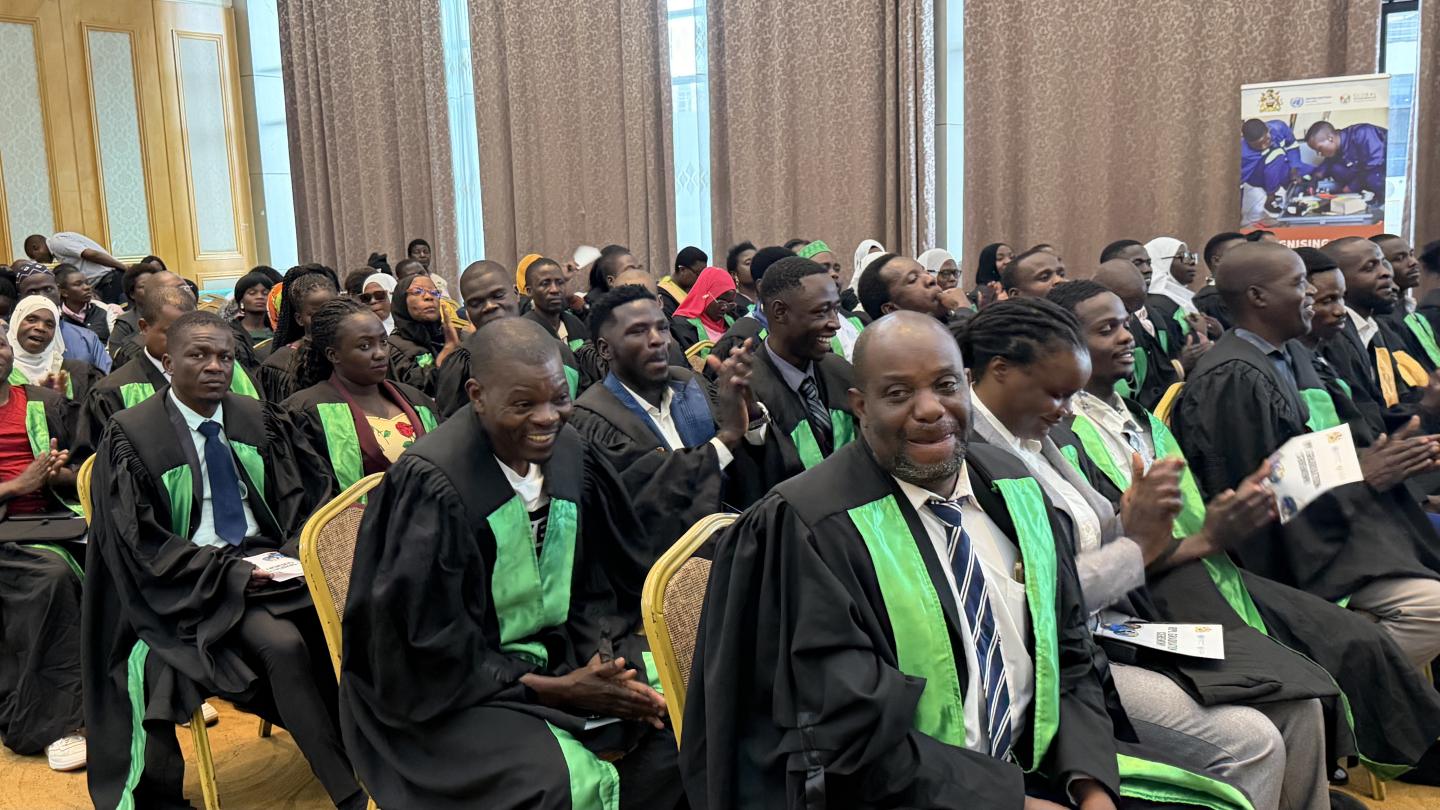
Lilongwe, Malawi — Malawi has achieved a key milestone towards skills development by recognizing and certifying skills acquired outside formal education and training, with the graduation of the first cohort of artisans assessed and certified through the country’s Recognition of Prior Learning (RPL) system.
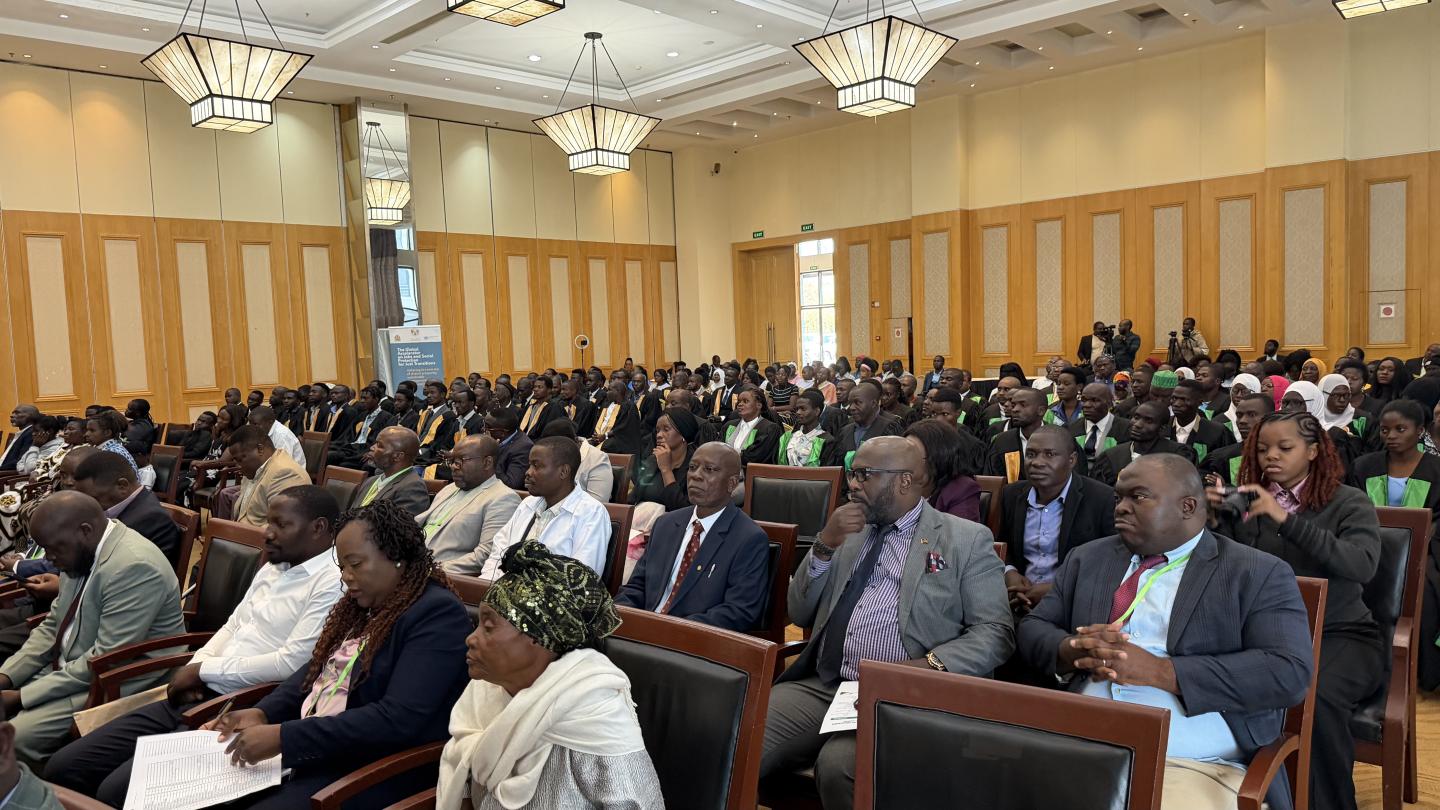
The milestone was marked at the first-ever RPL graduation ceremony held at the Bingu International Convention Centre (BICC) in Lilongwe, where 100 artisans received certificates recognizing competencies gained through years of work experience and informal learning. The 100 graduates are part of an initial cohort of more than 500 artisans assessed and certified through the RPL programme.
RPL provides a mechanism for individuals to have their existing knowledge, skills and competencies assessed and formally recognized, regardless of where or how those skills were acquired. For Malawi, where 91.5 per cent of employed people work in the informal economy, RPL represents an important pathway for improving employability, productivity and competitiveness while promoting access to formal employment, skills development and social protection.

The initiative has focused on strengthening Malawi’s institutional capacity to sustainably roll out RPL at scale. Technical support has been provided to the Ministry of Labour, Skills and Innovation and the Technical, Entrepreneurial and Vocational Education and Training Authority (TEVETA) to develop national RPL guidelines, procedure manuals and assessment tools; training of assessors; and conducting the initial assessments and certification of artisans.
This approach is helping establish the foundations of a nationally owned system through which workers can have skills acquired through informal learning and work experience assessed and certified in a consistent, credible and sustainable manner.
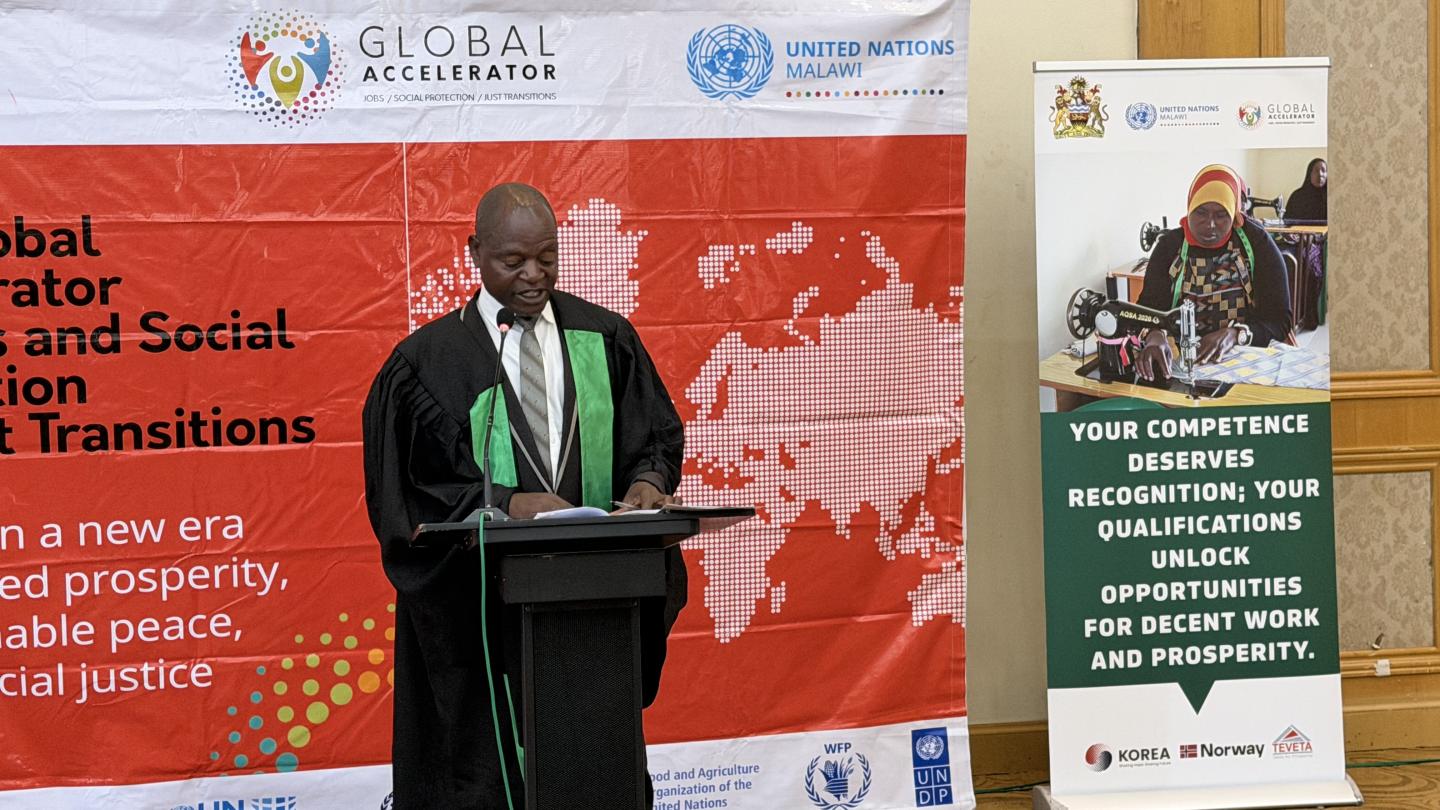
Representing the Minister of Labour, Skills and Innovation, the Guest of Honour at the graduation ceremony, Mr. George Masinga, Director of Administration in the Ministry of Labour, described RPL as a strategic intervention supporting Malawi’s long-term development ambitions. “Recognition of Prior Learning is a strategic intervention that contributes to the realization of Malawi 2063 by recognizing, validating and developing the skills of our workforce,” he stated.
For workers, RPL enhances employability, credibility, productivity and competitiveness, while creating pathways to better jobs opportunities, higher incomes, skills development, career progression and social protection. “Before this achievement many doubted my abilities because I had no formal qualification, I now have confidence because people will trust my work,” said Mr Owen M’bona, a refrigeration and air-conditioning technician after receiving his RPL certificate.
Owen never attended formal training to become a refrigeration and air-conditioning technician. He learnt the trade by assisting a friend at a refrigeration workshop, gradually building his competencies through practical experience, dedication and hard work.
His experience reflects that of thousands of skilled Malawians who acquired their competencies outside formal classrooms and training institutions. Through RPL, these skills can now be assessed against recognized occupational standards and formally certified. For artisans like Owen M’bona, certification will strengthen credibility with employers and customers while creating opportunities for further training, formal employment, business growth and career progression.
Mr. Wellington Chibebe, ILO Country Director for Malawi and Zambia, encouraged the graduates to become ambassadors for the system. “Your certificates are not only a recognition of the skills you have acquired; they are also an opportunity to demonstrate what you can do. We encourage you to become ambassadors of RPL, to demonstrate excellence in your work and to inspire other skilled workers to have their competencies recognized.”
The development and initial rollout of Malawi’s RPL system has been driven by the leadership of the Ministry of Labour and TEVETA, with support from the International Labour Organization (ILO) and the United Nations system.
The initiative has received support through the Global Accelerator on Jobs and Social Protection for Just Transitions, with financial support from the Government of the Republic of Korea and the Government of Norway. The programme has also benefited from collaboration among employers’ and workers’ organizations, industry assessors, training institutions, development partners and, most importantly, the artisans who participated in the assessment process.
As Malawi continues to implement its development aspirations under Malawi 2063, strengthening mechanisms that recognize and develop the country’s existing skills base will be critical to building a productive, inclusive and competitive workforce. The RPL system is also contributing to Malawi’s broader efforts to promote decent work, employment creation, expansion of social protection coverage and skills development, including lifelong learning.
By recognizing skills acquired through work experience and informal learning, the RPL programme will help address barriers that prevent workers from accessing formal skills development and employment opportunities. It also provides employers with greater confidence in the competencies of workers and contributes to improved productivity and competitiveness. For the artisans whose skills have been formally recognized, the journey is only beginning. Their certificates represent recognition and appreciation of their years of experience and a new pathway towards greater opportunities, dignity, decent work and livelihoods.
Together, Malawi is building a labour market where skills are valued, experience is recognized and no worker is left behind.