Lilongwe, Malawi - Although Malawi has existing social insurance schemes, such as the pension and workers' compensation schemes, these schemes remain limited in scope, reducing their overall effectiveness and the benefits they can provide to citizens. One of the most pressing challenges is inadequate coverage of the social security schemes, as they primarily serve workers in the formal sector, yet 91.5 per cent of Malawi's labour force works in the informal economy, implying that the vast majority of Malawians remain without access to reliable social security protection, leaving households exposed to economic shocks, health emergencies, loss of income, and other crises that can drive families deeper into poverty. Expanding and strengthening social security is therefore not just a policy choice; it is a development imperative.
In 2024, Malawi took a major step toward building a more inclusive and resilient social protection system by adopting the 2024-2029 National Social Protection Policy (NSPP). The policy expanded the current scope of social protection by bringing both contributory and non-contributory social protection schemes under one policy framework, recognizing that effective social protection is essential not only for reducing poverty but also for protecting citizens against life's uncertainties, including old age, sickness, disability, unemployment, workplace injuries, maternity, and the loss of a breadwinner. The new policy introduced social security (contributory social protection schemes) as a priority area, reflecting the government's commitment to ensuring that all Malawians have access to income security and protection during times of vulnerability. This shift presents an important opportunity to strengthen and extend the coverage of social protection systems to populations that have long been excluded.
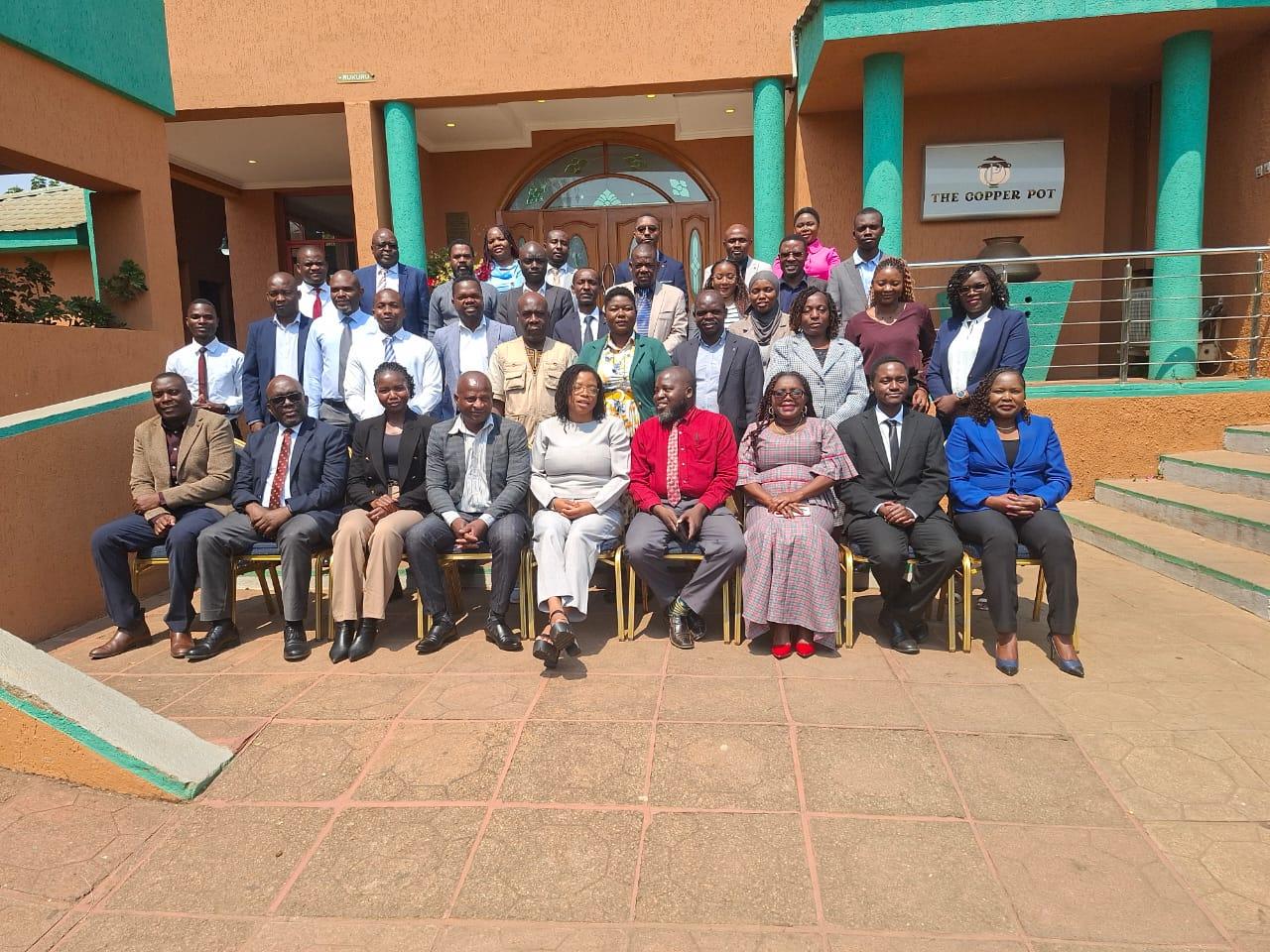
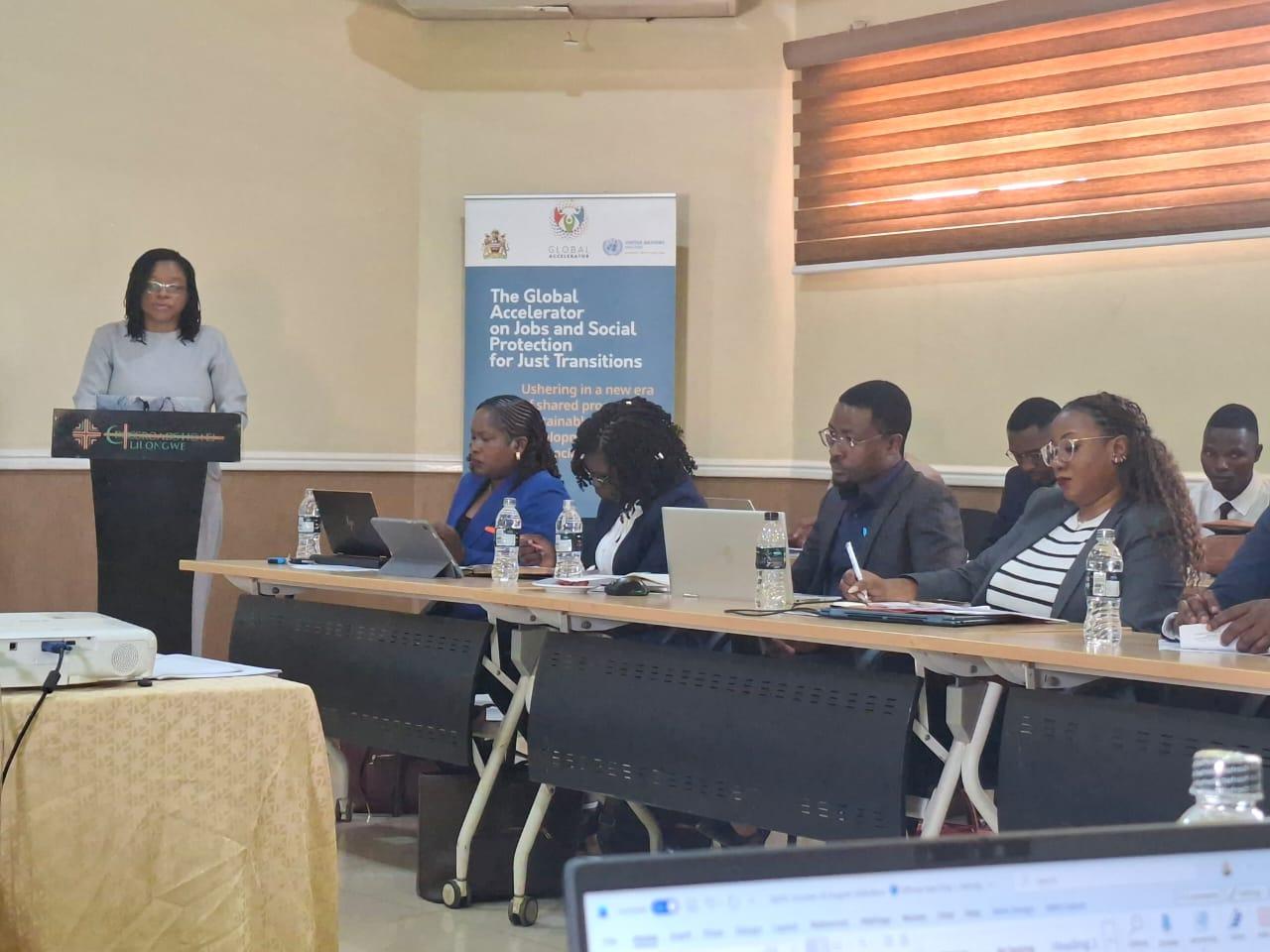
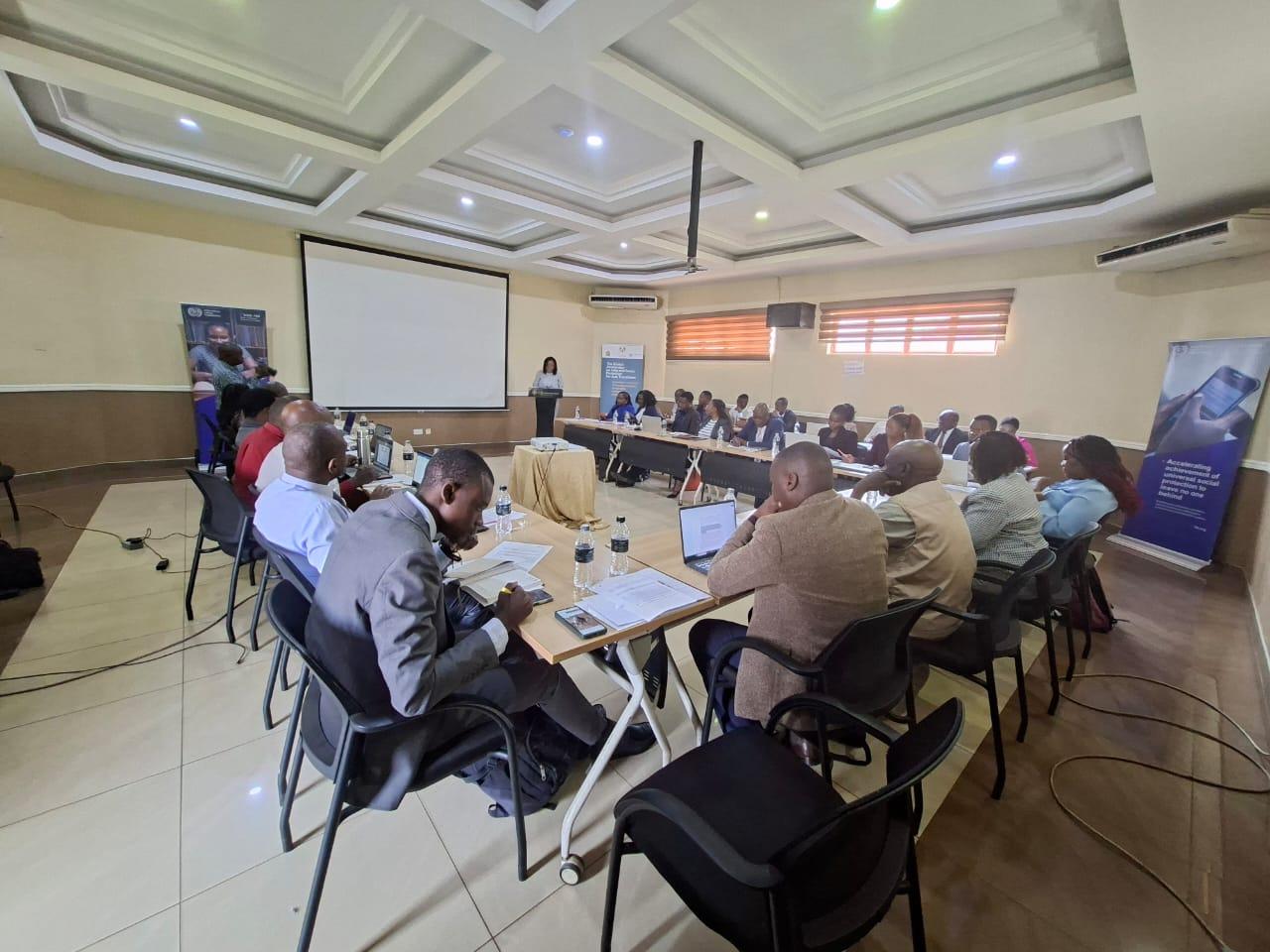
Recognizing the need for stronger coordination and leadership, the government has established a Social Security Sub-Committee under the National Social Protection Technical Committee (NSPTC). With support from the Global Accelerator initiative the subcommittee held its first meeting on 24 August 2026. During its inaugural meeting, the subcommittee endorsed its Terms of Reference, confirming its mandate to provide technical guidance, oversight, and coordination of social security interventions in Malawi. The Social Security sub-committee will spearhead implementation of contributory social protection schemes such as pensions, health insurance, workers' compensation, and other contributory social security programmes, ensuring that reforms are aligned with national priorities, international standards, and global best practices. Equally important, the Sub-Committee will champion innovation and evidence-based policymaking. By drawing on research, data, and international experience.
“The establishment of this Subcommittee marks a pivotal step in strengthening Malawi’s social protection system. As an important governance mechanism, it provides a platform for driving social security reforms through effective coordination, collaboration, and shared commitment among stakeholders”, said Ms Tiyanjane Maliwichi, Senior Deputy Labour Commissioner, Co-Chair of the Social Security Sub-Committee.
The Sub-Committee is co-chaired by the Ministry of Labour, Skills and Innovation and the International Labour Organization, and comprises membership from government institutions, employers and workers' organizations, civil society, private sector, academia, and development partners, providing an inclusive platform for policy dialogue to facilitate a more coherent and sustainable social security system. The establishment of the Social Security Sub-Committee marks an important milestone in Malawi's journey toward universal social protection. Strengthening the social security system is about ensuring that every Malawian, regardless of employment status, has access to protection and opportunities to live with dignity, security, and hope for the future.
"This Sub-Committee should serve as a strategic platform for social dialogue, evidence-based policymaking, and effective stakeholder coordination, and should drive transformative social security reforms aligned with international standards, including ILO Convention No. 102 and Recommendation No. 202, advancing the realization of an integrated and universal social protection system that leaves no one behind,” said Ms Patience Matandiko, Technical Officer- Social Protection on behalf of the ILO Lusaka office Country Director.