Malawi’s Labour Market Information System takes its final technical step toward operationalization
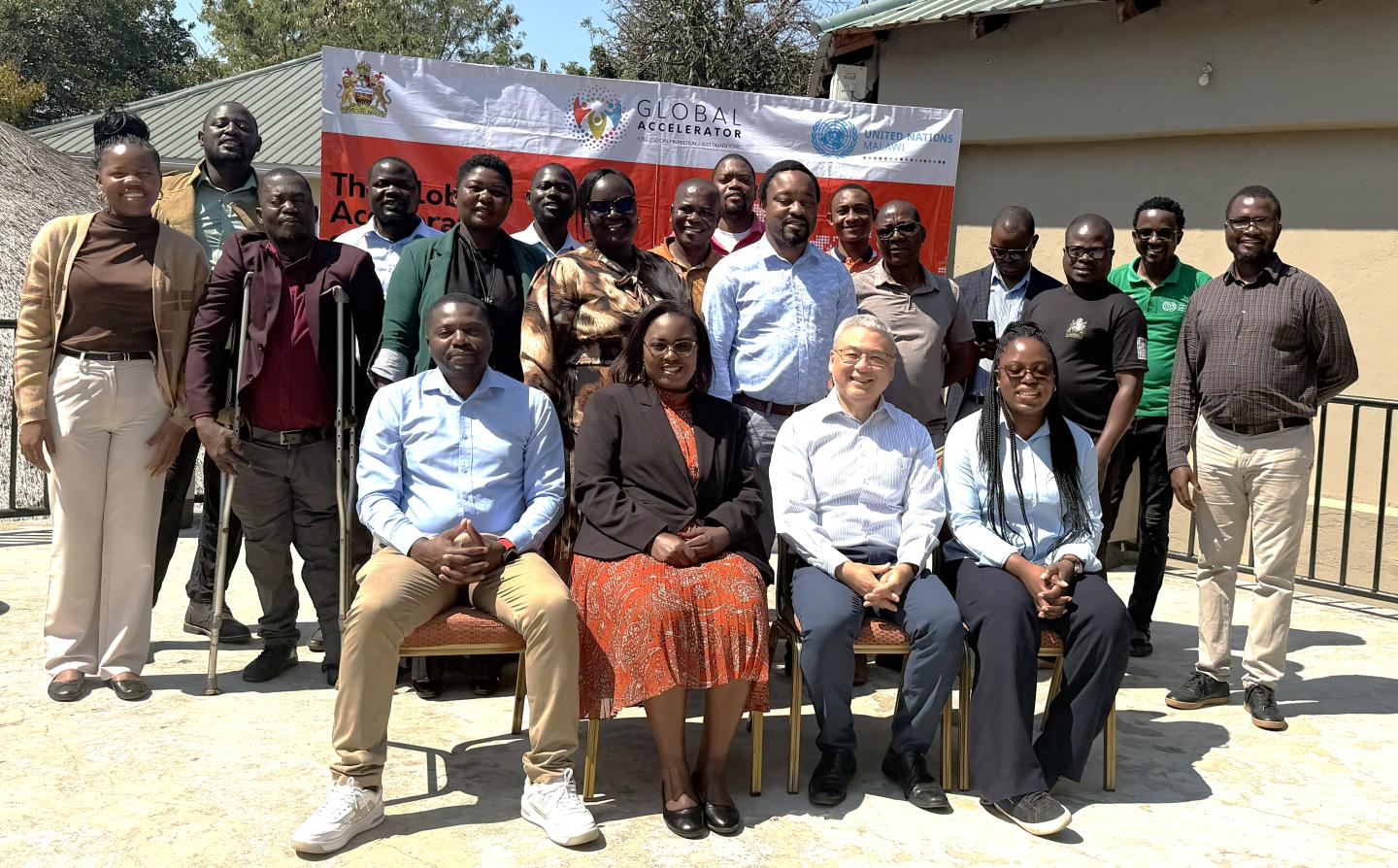
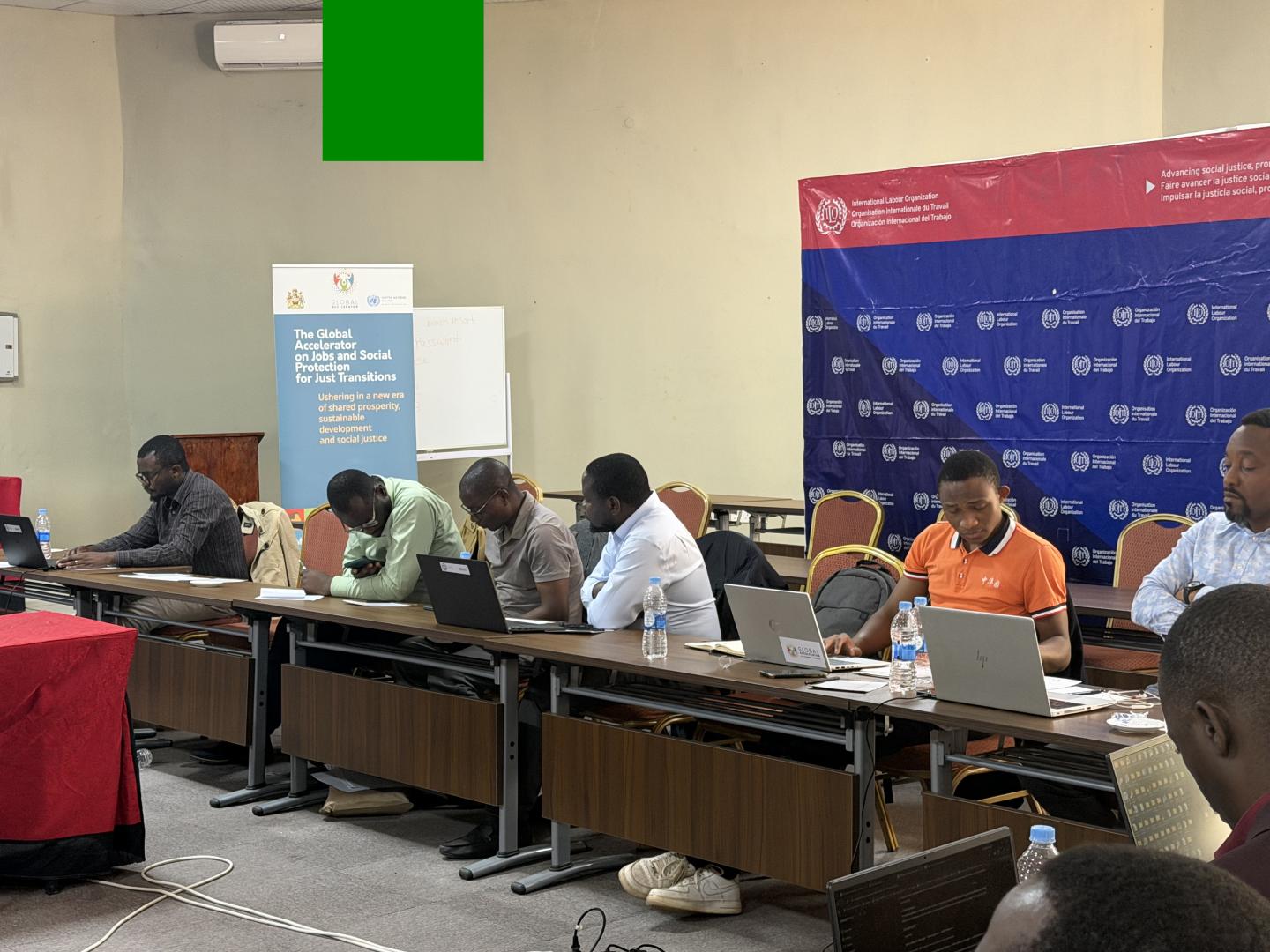
Salima, Malawi — From 11 to 14 August 2026, the Government of Malawi organized a Data Preparation and Extract, Transform, Load (ETL) Workshop that brought together technical officials from the National Statistical Office (NSO), Ministry of Labour, Skills and Innovation (MoLSI), Technical, Entrepreneurial and Vocational Education and Training Authority (TEVETA), e-Government Department and National Data Centre, with technical and financial support from the International Labour Organization (ILO) under the Global Accelerator Initiative on Jobs and Social Protection for Just Transitions
The workshop marked a significant milestone in Malawi’s efforts to establish a nationally owned Labour Market Information System (LMIS) capable of transforming labour market data into timely, accessible and actionable intelligence for policy and decision-making.
The support provided through the Global Accelerator initiative reflects the ILO’s commitment to strengthening national systems and institutions that enable countries to generate and use better labour market evidence. By investing in both technical capacity and the systems required to manage data, the initiative is helping Malawi move towards a more integrated, evidence-driven approach to employment and skills policy.
The workshop followed the signing of a Memorandum of Understanding between MoLSI and the ILO and the SDMX and Data Modelling Workshop held in April 2026, which established the technical architecture and data standards underpinning the system.
This latest phase moved the process from building the infrastructure to putting the system to work. The central task was to take Malawi’s existing labour market statistics and convert them into SDMX-compliant datasets using an internationally recognised standard that enables data to be structured, exchanged and reused across institutions and systems.
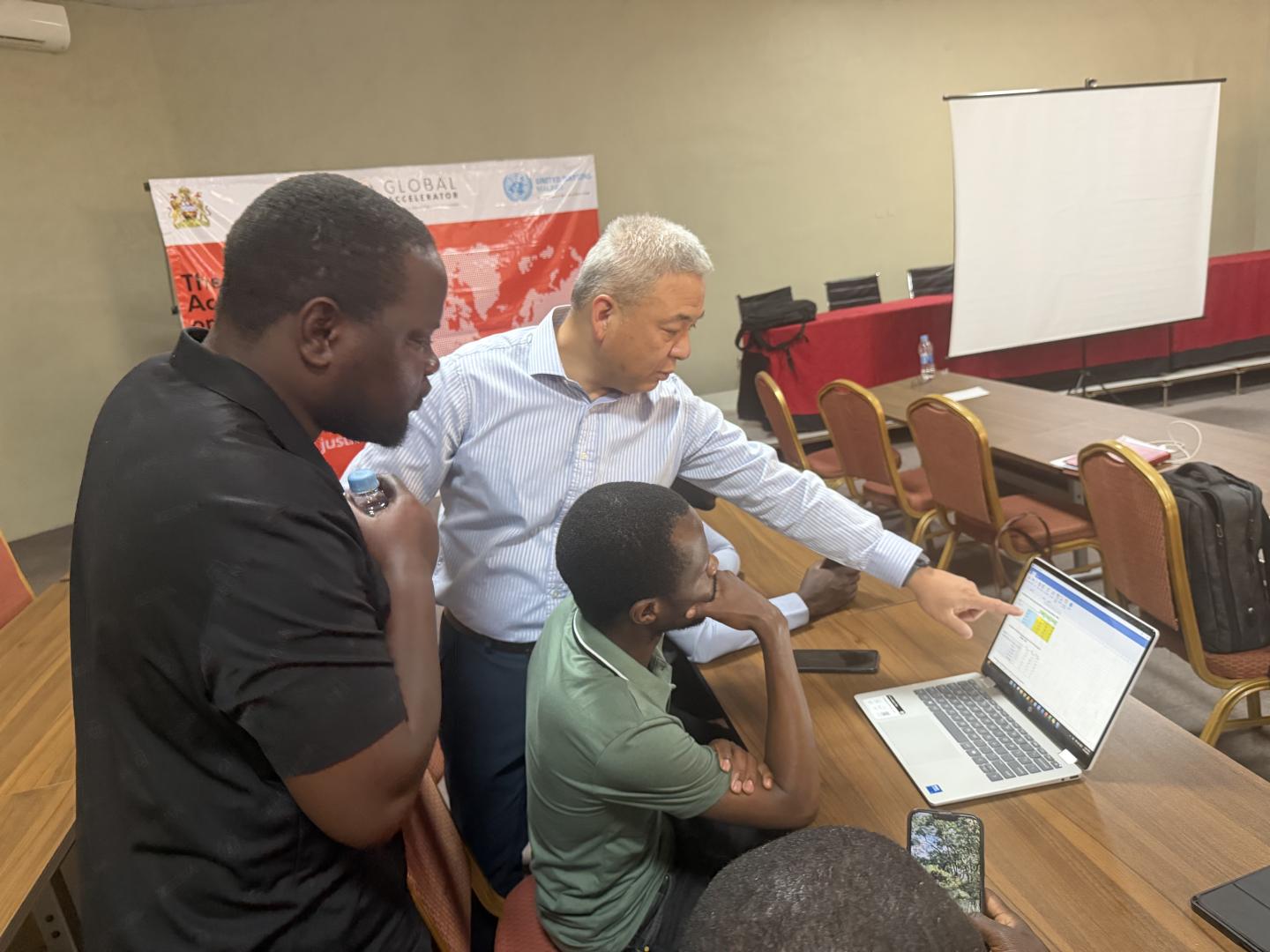
Working hands-on, participants used SMART, an ILO-supported tool that facilitates transforming statistical tables into SDMX-compliant datasets. They also worked with the LMIS Excel Add-in, enabling designated data focal points to prepare, manage and upload information directly from the familiar Excel environment.
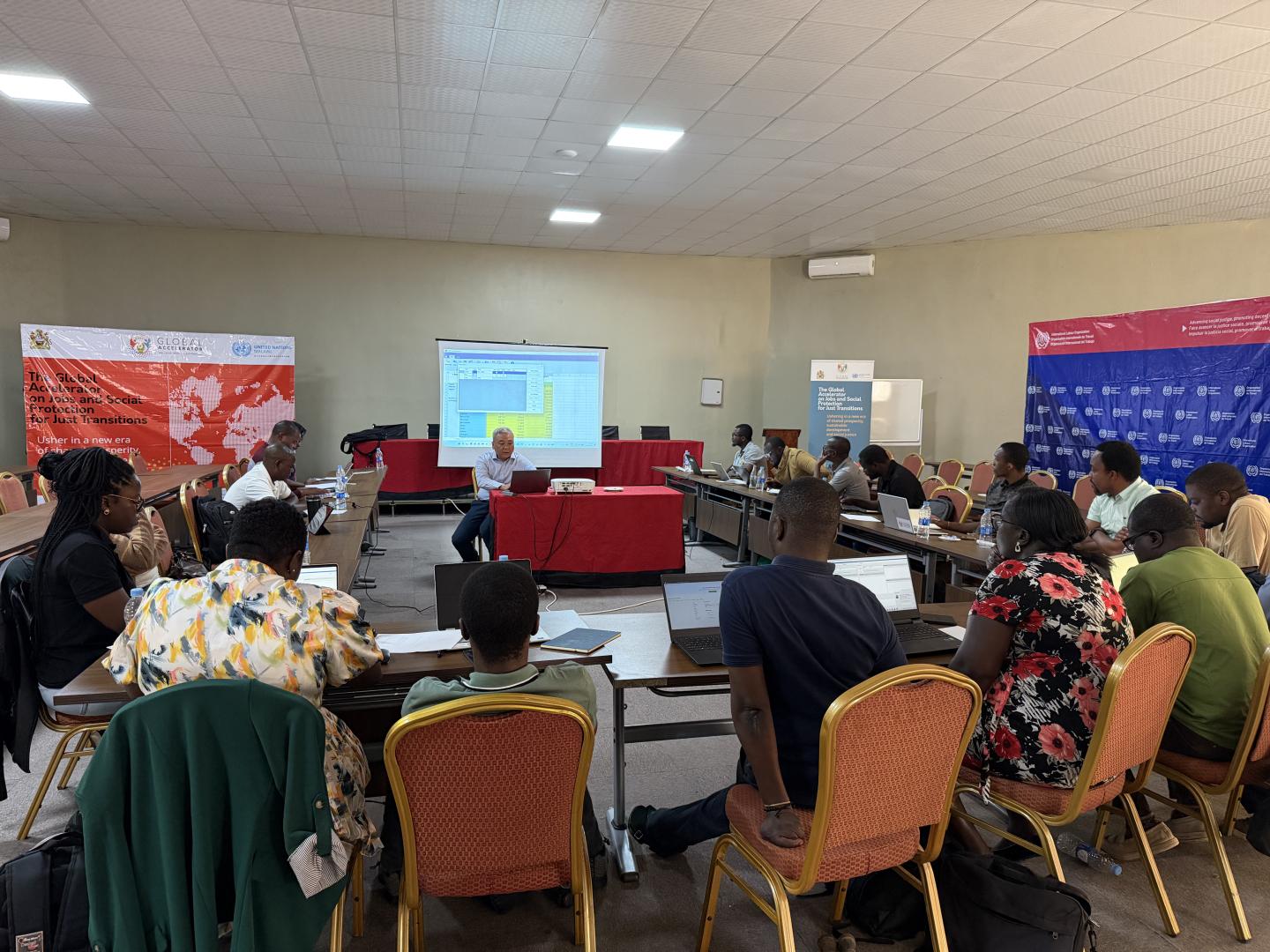
A functioning LMIS provides the foundation for government to better understand changes in employment, skills, labour force participation and other labour market dynamics and to use that evidence to inform policies, programmes and investments.
The workshop also moved beyond the mechanics of uploading data. Participants learned how to categorise, index and structure datasets so that information can be more easily discovered, interpreted and used by different audiences. They were also introduced to an AI-powered Labour Market Intelligence tool, demonstrating how data within the LMIS can ultimately be transformed into accessible analysis and insights.
A key achievement was the cross-institutional collaboration and coordination among departments that traditionally generate, manage and use labour market information from different perspectives. A national information system can deliver lasting value only when data producers, system administrators and policy users share responsibility for its quality, maintenance and use. The workshop therefore strengthened not only technical skills, but also the institutional relationships and shared understanding required to keep the system functioning beyond the initial investment.
The process culminated in a joint implementation roadmap, organised around two complementary tracks: a Statistical Track and an IT Track. The roadmap assigns clear responsibilities and next steps, providing a coordinated pathway towards the national launch of the LMIS.
The progress made in Salima represents an important shift in Malawi’s data ecosystem: from collecting and storing statistics to connecting data with decisions. The LMIS has the potential to strengthen evidence-based employment and skills policies, support labour market forecasting, improve coordination among institutions, inform investment decisions and make labour market information more accessible to the public. This is particularly important as Malawi seeks to expand decent work opportunities, strengthen skills development and ensure that employment policies respond to changing economic, demographic and technological realities.
Through the Global Accelerator Initiative, the UN is supporting this broader transformation by investing in national capacities and systems that can strengthen the link between quality data, informed policy and better outcomes for workers and enterprises.
The workshop leaves the country with a system that is populated with initial national datasets, technically tested and moving toward public readiness, alongside a clear set of remaining actions. These include completing platform configuration and data uploads, strengthening the Data Explorer and public-facing portal, finalising quality assurance processes and agreeing on the date for the national launch.
The next milestone is to ensure the LMIS becomes a trusted national public good that is continuously updated, widely used, and embedded in how labour market decisions are made.