Albania showcases integrated reforms through LEAP field visit in Shkodër and Lezhë
Shkodër and Lezhë, Albania – A high-level field visit under the Lifelong Empowerment and Protection in Albania (LEAP) joint programme confirmed strong national ownership and sustained partner commitment to Albania’s role as a Global Accelerator Pathfinder Country, on 20 April 2026.
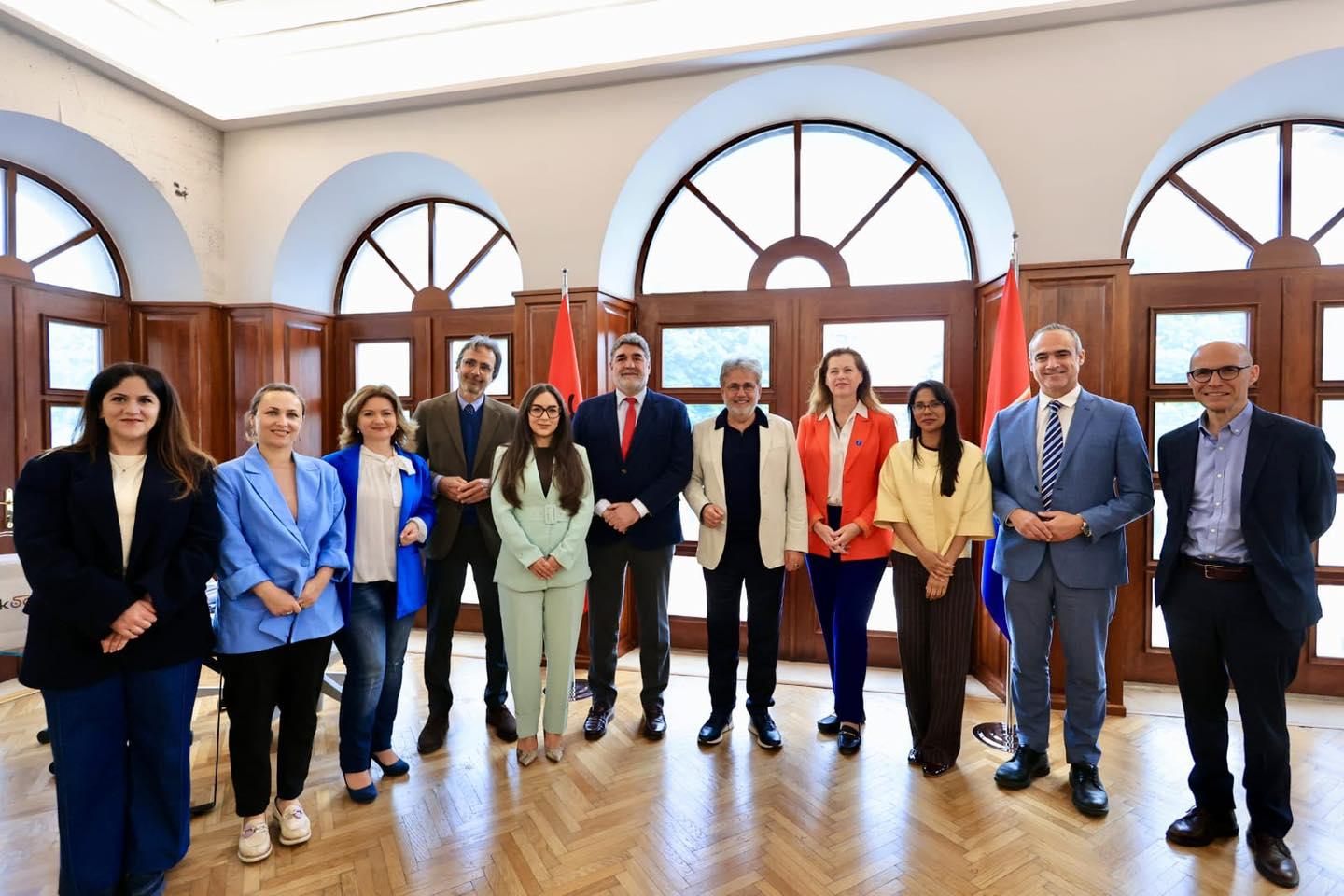
The visit brought together high-level representatives from Government, United Nations, and development partners, including the Ms Ina Majko, Deputy Minister of Health and Social Welfare, Ms Ingrid Macdonald, UN Resident Coordinator, Mr Gabriel Cremades Ventura, Ambassador of Spain, Mr Rémy Privat, Attaché de Coopération, Ambassy of France, and senior country representatives from UNDP and UN Women demonstrating strong and continued support to the programme and the Global Accelerator agenda.
Discussions in Shkodër highlighted the urgency of addressing structural challenges, including high youth inactivity, population ageing and gaps in care services. Albania’s shifting demographics and labour market pressures underscore the need for integrated systems that connect social protection, skills development and employment.
The programme began with a strategic exchange at the Municipality of Shkodër, where Mr Benet Beci, the Mayor, emphasized how the joint programme is supporting the delivery national reforms. LEAP is supporting municipalities as frontline institutions, strengthening their capacity to translate policy priorities into coordinated, people-centred services. This includes advancing long-term care models and integrated case management approaches, and the overall linking of social protection, employment and care services.
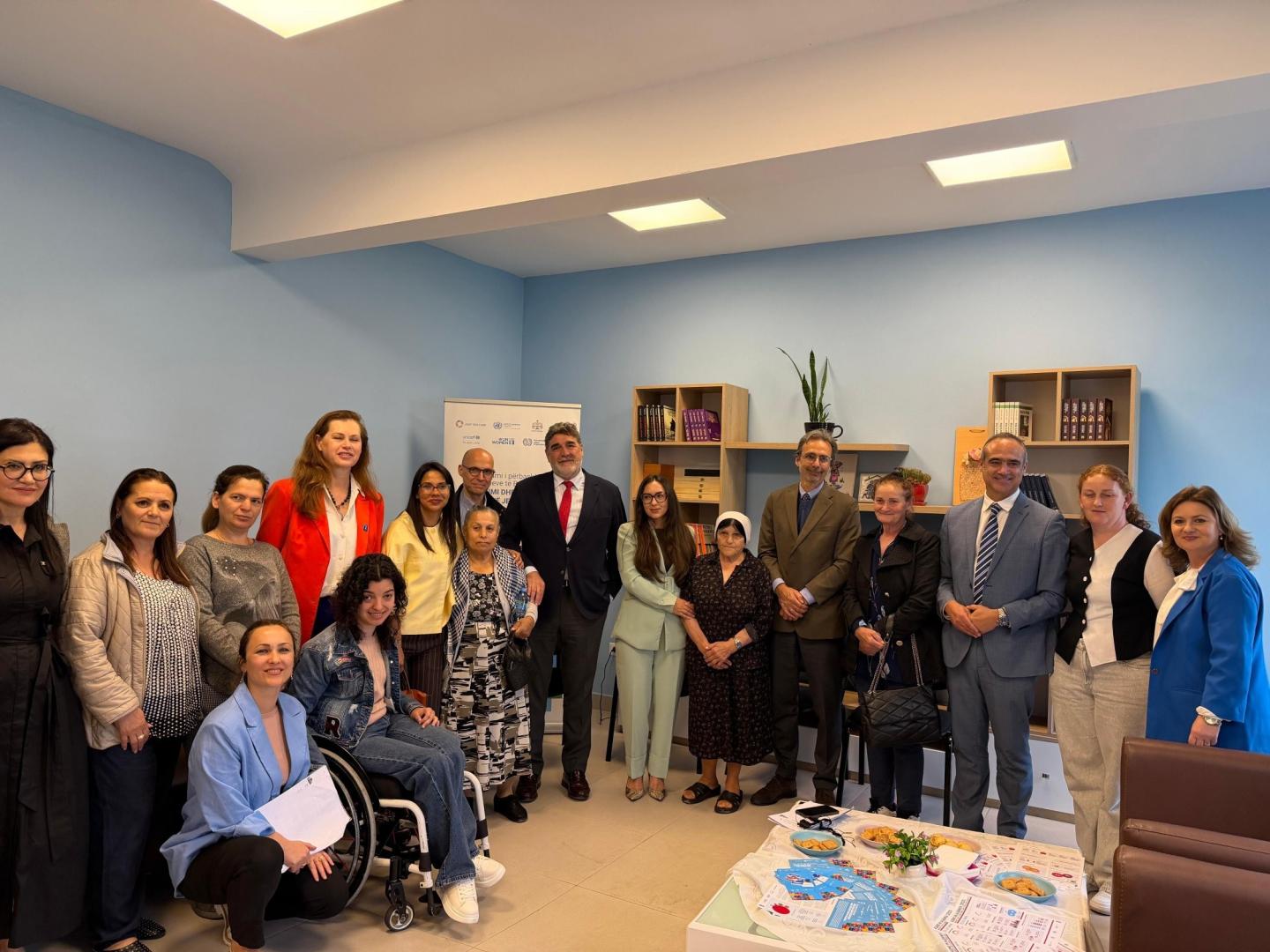
At a local community centre, participants engaged with women trained and newly employed as caregivers. Their experience illustrated how investments in the care economy are addressing demographic and social needs, expanding access to services for older persons and persons with disabilities while creating formal employment opportunities for women. To date, 533 people have benefited from long-term care services, while 93 women have been trained, certified and employed as carers, marking an important step towards formalizing the sector.
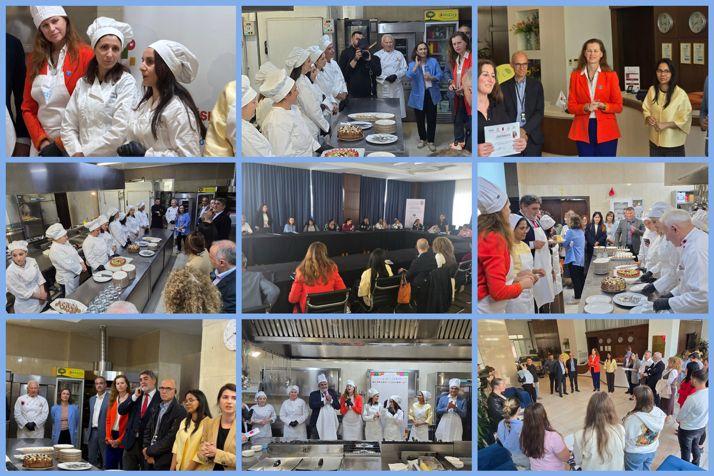
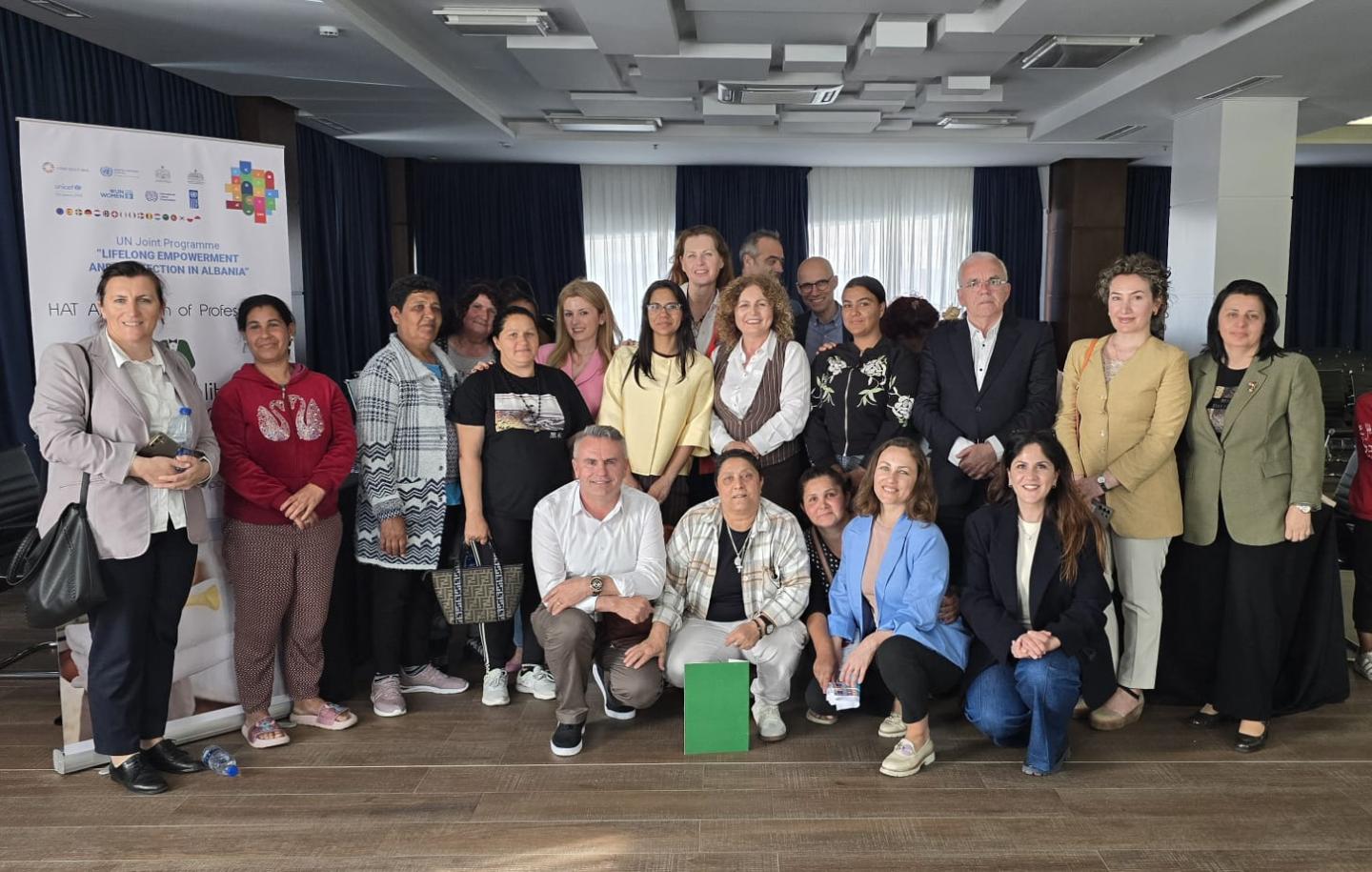
The visit continued in Gruemirë village, where skills development initiatives tailored to tourism and hospitality were showcased. Through direct interaction with trainees, participants observed how targeted training aligned with market demand is supporting transitions into employment, particularly for women and young people previously excluded from the labour market.
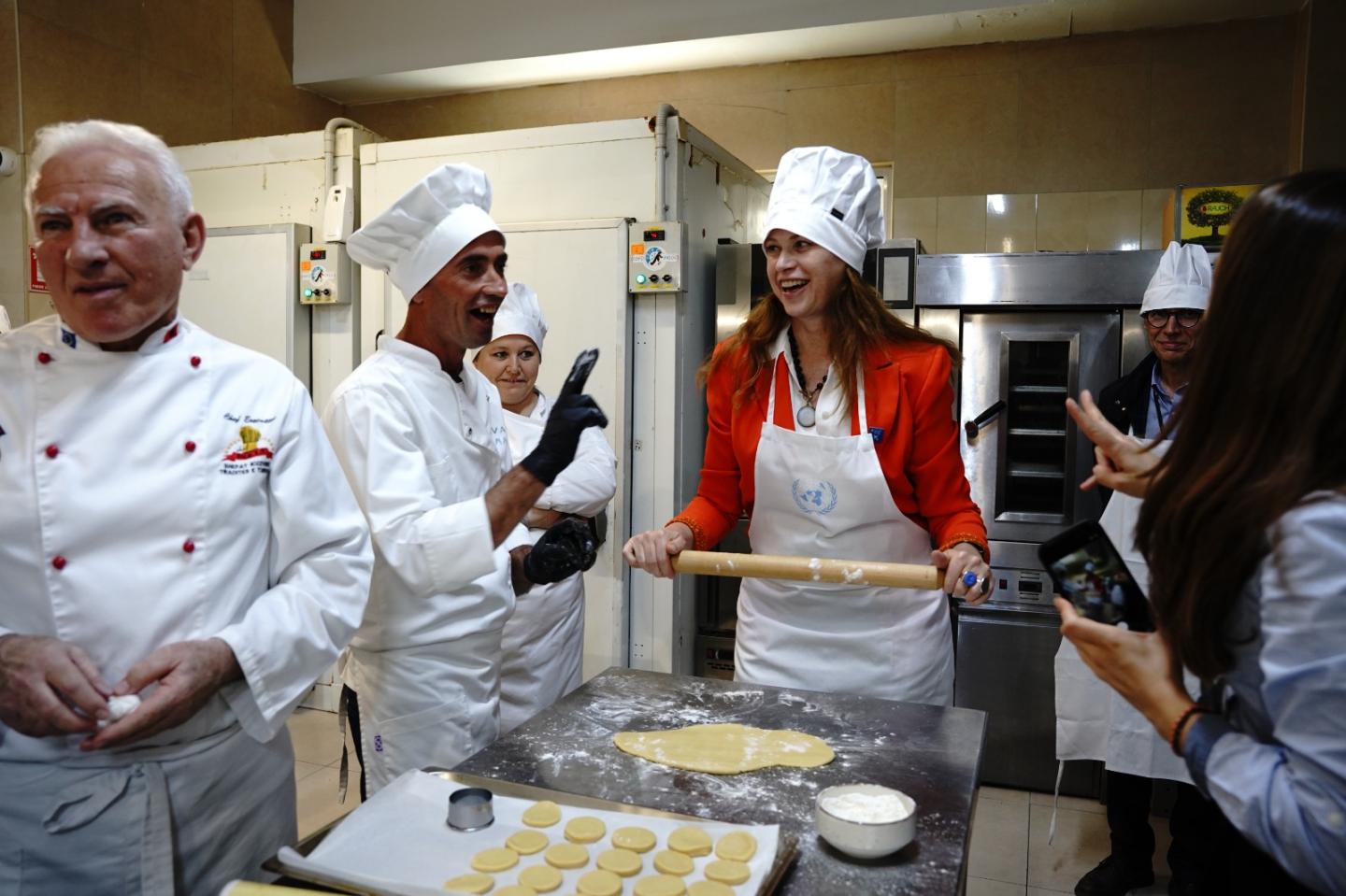
In Lezhë, the programme highlighted the role of tourism as a driver of inclusive economic development. At a local hospitality business, women beneficiaries demonstrated practical skills acquired through LEAP-supported training, highlighting the full pathway from skills development to employment. A subsequent visit to training classrooms showed how young NEETs and other vulnerable groups are being reached through coordinated efforts between employment services, vocational education providers and the private sector.
Across all stops, a consistent message emerged: integrated approaches are delivering results. LEAP is linking social protection beneficiaries to services, skills and jobs, strengthening institutional coordination and generating evidence to scale models such as long-term care and employment pathways at national level.
The presence and active engagement of senior government officials and development partners reinforced strong ownership of the programme while advancing discussions on sustainability, including alignment with European Union reforms and national financing frameworks.
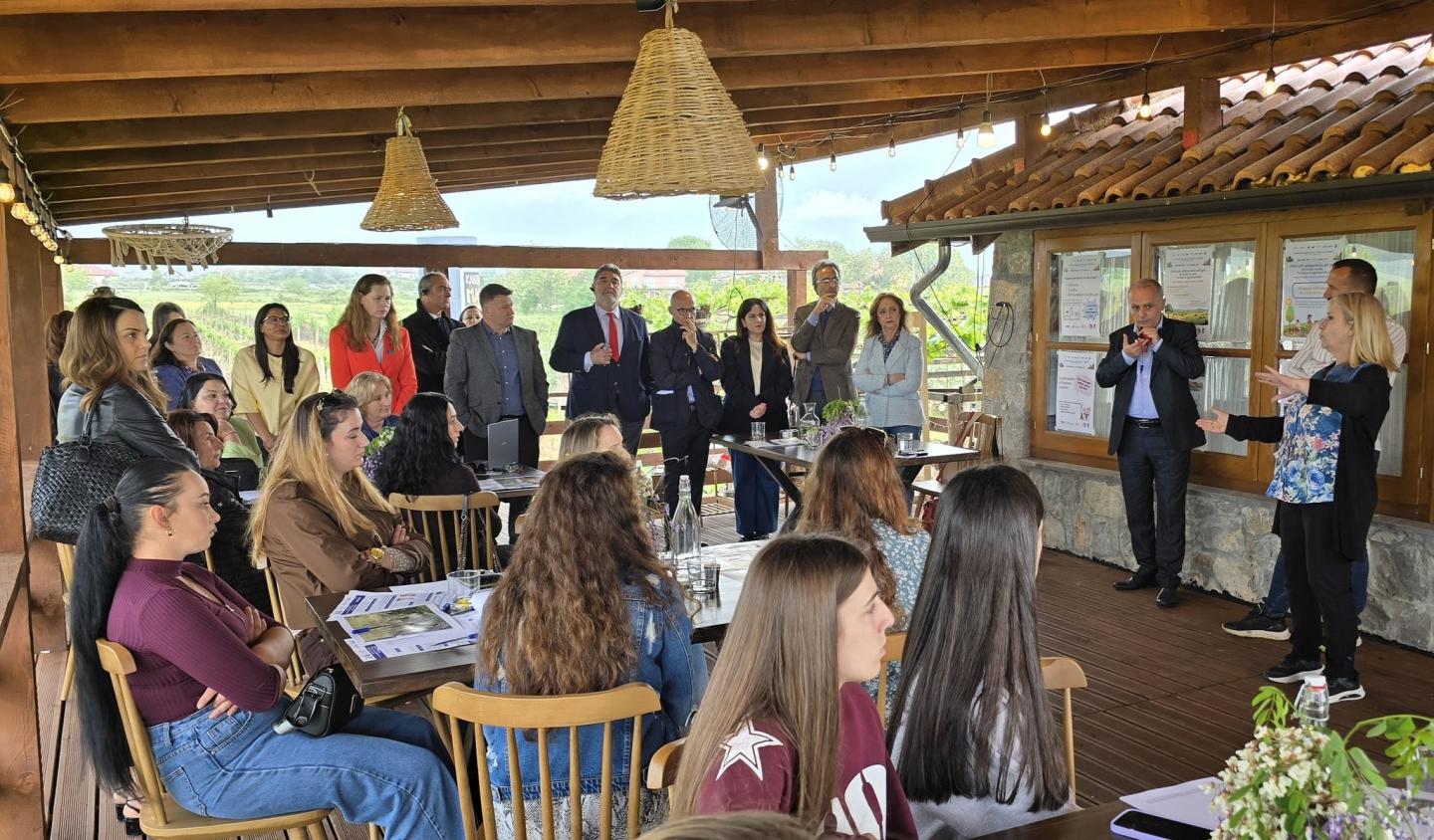
The visit confirmed LEAP as an effective delivery mechanism for the Global Accelerator in Albania, demonstrating how coordinated investments in social protection and employment can improve lives while advancing inclusive and gender-responsive system reform.
The Lifelong Empowerment and Protection in Albania (LEAP) is a United Nations Joint Programme funded by the Joint SDG Fund and implemented by UNDP as lead agency, in cooperation with ILO, UNICEF, and UN Women. The programme supports Albania in expanding social protection coverage and improving access to decent work for children, youth, women and older persons through investments in universal child benefits, long-term care systems and targeted skills development, contributing to national priorities and the SDGs.