
Tashkent, Uzbekistan – As part of the Global Accelerator project in Uzbekistan, which aims to support employment formalization, the ILO in partnership with the Ministry of Employment and Poverty Reduction (MoEPR) conducted a training for staff of employment service centres in the Fergana region, on 6 February 2026.
The training builds on the successful pilot-testing of interactive training materials held in Tashkent in November 2025.
Learning from peers: from participant to facilitator
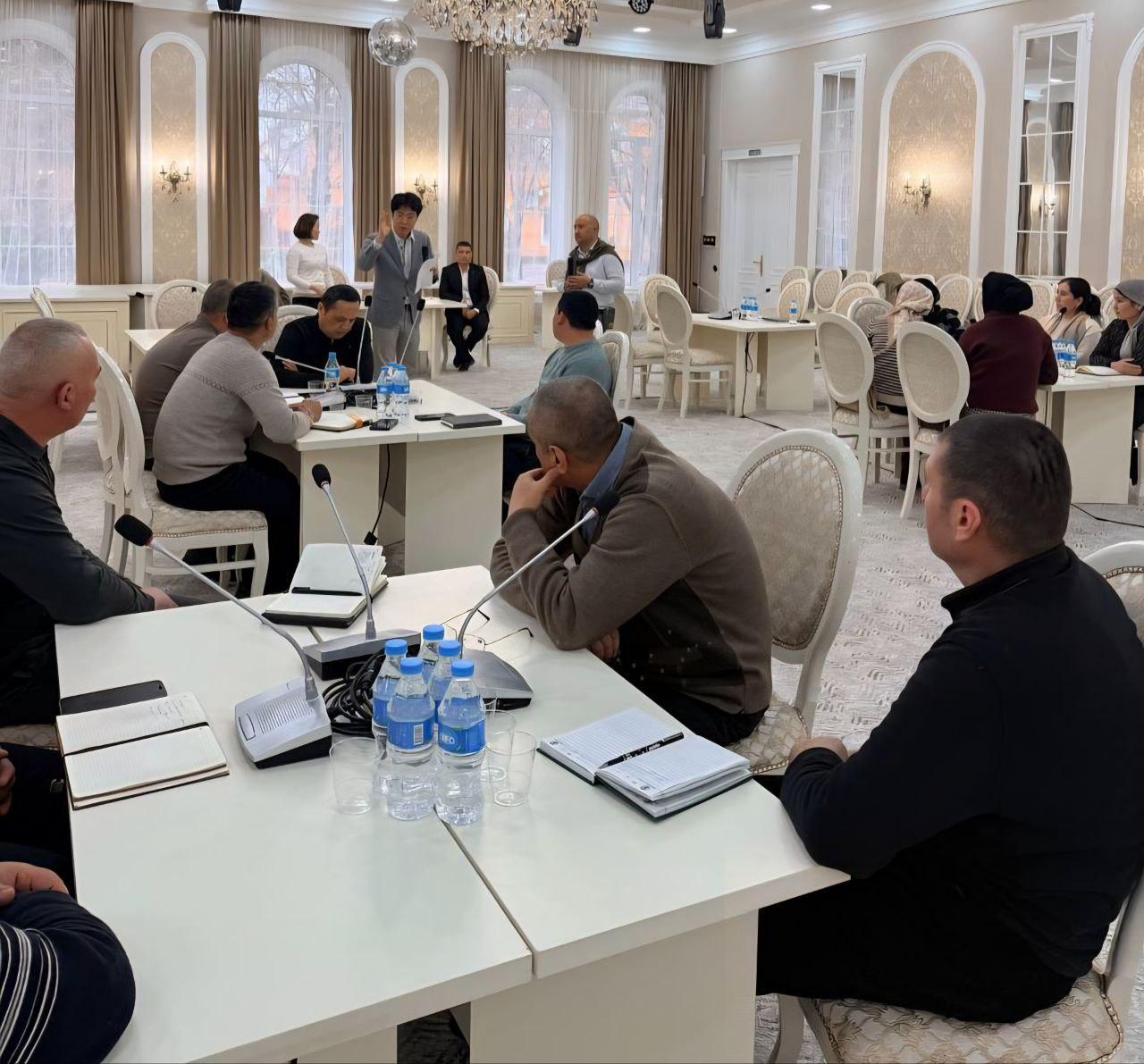
What made this second training particularly meaningful was co-facilitation of the learning activities by the ILO and the MoEPR. One of the participants from the pilot training in Tashkent, Mr Sirojiddin Ovlaev, returned – this time not as a learner, but as a facilitator – co-leading the session together with Kazutoshi Chatani, ILO Senior Employment Specialist, and Nilufar Kayumova, National Project Officer. This model reflects the MoEPR’s commitment to sustainability and local ownership, ensuring that skills and knowledge remain within the system.
“I was excited by the opportunity to share with my colleagues the knowledge I gained during the pilot training,” said Ovlaev. “It allowed me to further develop my facilitation skills through interactive communication and strengthened peer learning.”
Practical skills for real conversations
Seventeen experienced employment counsellors from regional employment support centres took part in the training. Rather than focusing solely on theory, the programme emphasized hands-on learning through role play, peer feedback and discussions of real cases from daily practice. Participants practiced conducting assessment interviews, learning how to better understand jobseekers’ individual situations, identify their needs and recommend appropriate and inclusive solutions. Special attention was given to gender-responsive and inclusive counselling approaches.
Ms Sotvoldieva, head of the Fergana district employment support unit, said: “The training was highly beneficial for developing interview skills with jobseekers, taking into account their specific needs. Stepping into the role of a jobseeker helped me see challenges from a different perspective. This experience will be extremely valuable when applying an individualized approach in my work.”
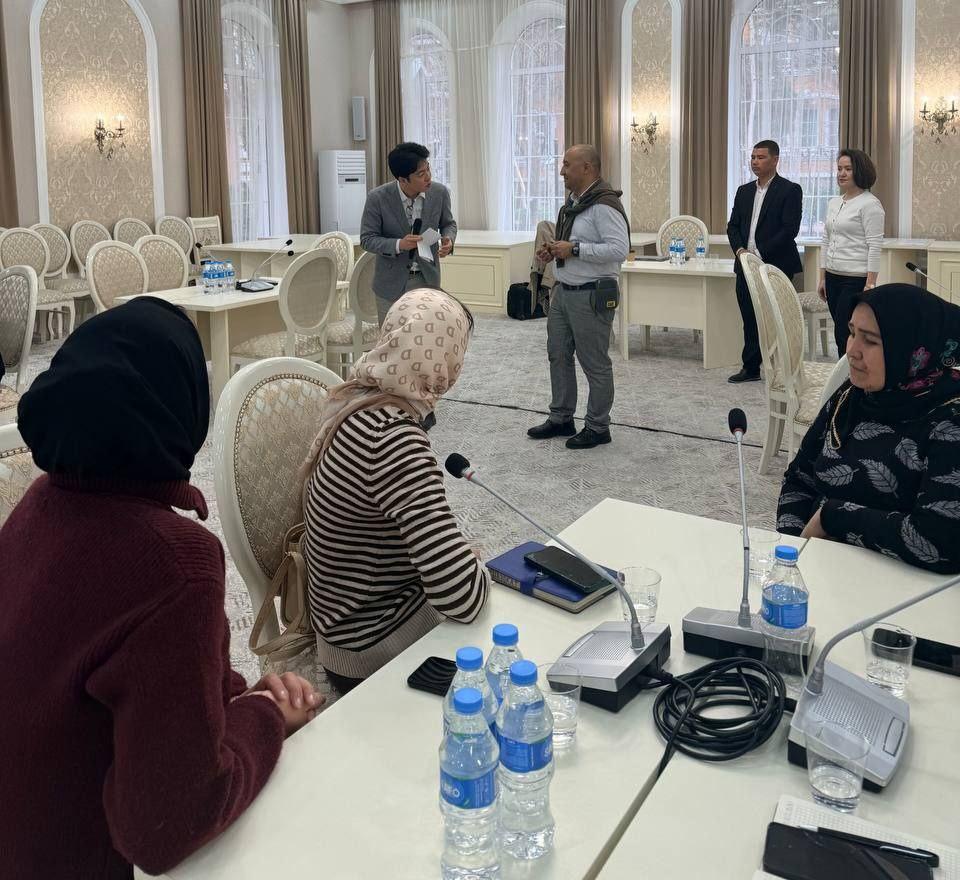
Mr Saidakmad Yulchiev, head of the Oltiariq district employment support unit, highlighted the value of reflection and exchange: “We discussed real cases from our professional practice and learned from each other. Importantly, the training gave us space to step away from daily routines and critically reflect on our own skills. This kind of learning is essential for improving the quality of our services.”
Why interviewing skills matter
When employment counsellors sit down with jobseekers, the quality of that conversation can shape the type of support, services and opportunities a person receives. Effective interviews help counsellors understand personal circumstances, assess employability and connect individuals with suitable jobs, training or services. Strengthening these skills directly improves the quality and impact of public employment services and contributes to the formalization of employment.
Looking ahead: scaling up across the country
Encouraged by the positive results of the first two training sessions, the Global Accelerator project, with support from the MoEPR, is committed to expanding the programme to three additional locations in the southern and northern regions of Uzbekistan by the end of 2026.
Through continued investment in people, skills and peer learning, the ILO and the MoEPR aim to promote modern employment counselling practices and help jobseekers across Uzbekistan in finding pathways to decent work.
The Global Accelerator on Jobs and Social Protection for Just Transitions, which focuses on employment formalization, is supported by the UN Joint SDG Fund. We sincerely appreciate contributions from the European Union and the governments of Belgium, Denmark, Germany, Ireland, Italy, Luxembourg, Monaco, the Netherlands, Norway, Poland, Portugal, the Republic of Korea, Saudi Arabia, Spain, Sweden, and Switzerland. Their commitment plays a crucial role in helping countries like Uzbekistan turn ambitious SDG pledges into real, people-centred results on the ground.