
Malawi moves to strengthen workers’ compensation for better social protection
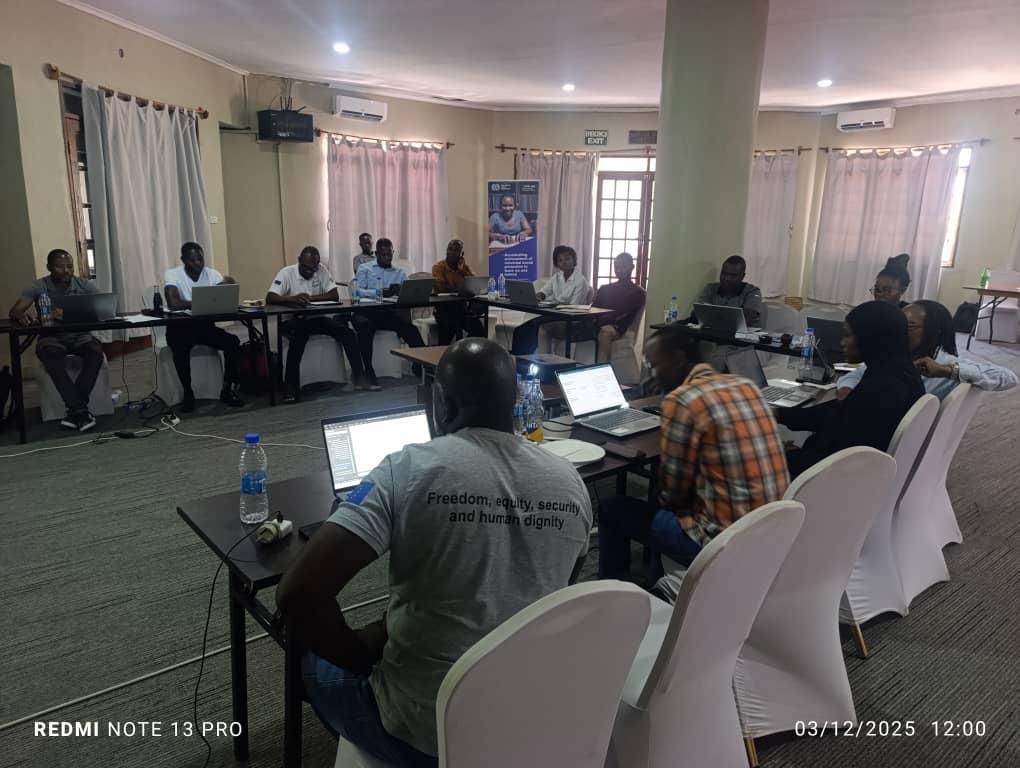
Salima, Malawi - The Ministry of Labour, along with the Global Accelerator, hosted a tripartite technical drafting session to align the draft Workers Compensation Bill with international standards and Malawi’s new social protection policy, from 30 November to 5 December 2025. The Workers Compensation Department under the Ministry of Labour is taking a bold step to improve social security for workers by reforming the Workers Compensation Act No. 7 of 2000.
For over two decades, this Act has governed compensation for workplace injuries, occupational diseases, and related fatalities. However, it has faced persistent challenges, including delays in compensation, disputes between employers and employees, and inadequate benefits that fail to meet sustainability standards.
The session brought together Government, employers’ organizations, and workers’ representatives, legal experts, social protection policymakers, and social partners, to ensure the new framework reflects Malawi’s labour market realities and meets global best practices. The goal is to transition from an employer liability scheme to a robust social insurance model that guarantees timely, fair, and sustainable compensation for all workers.
The current system places the burden solely on individual employers, often causing disputes and delayed pay outs. By adopting a social insurance scheme, Malawi will join global best practices that pool resources to ensure predictable and equitable compensation. This reform marks a transformative step toward strengthening Malawi’s social protection framework and promoting compliance with international standards.
Following policy guidance and stakeholder consultations, the Ministry of Labour refined the drafting instructions with input from the ILO’s Universal Social Protection Department. A revised draft Workers' Compensation Bill has been developed in readiness for submission to the Ministry of Justice for legislative processing, a major milestone toward operationalizing the new social insurance scheme. Once enacted, the new Act will align Malawi’s work injury scheme with international standards, positioning the country as a leader in labour protection within the region. This reform is more than a legislative update—it is a commitment to protecting Malawi’s workforce and promoting decent work for all. A pooled social insurance fund will guarantee benefits even when individual employers face financial challenges. Employers and workers alike will benefit from improved occupational safety and health standards, fostering trust and productivity.
“This technical drafting workshop has been highly productive, bringing together all key tripartite stakeholders to advance the reform of Malawi’s social protection system. With technical inputs from the ILO, we are aiming to align Workers' Compensation legislation with the ILO Employment Injury Benefits Convention, 1964 (No. 121), the Social Security (Minimum Standards) Convention, 1952 (No. 102), and Recommendation No. 121. This marks a critical milestone toward operationalizing the new workers’ compensation scheme. These outcomes will deliver lasting benefits for both workers and employers, while contributing significantly to national development,” stated Mr Arthur Nthandika, Commissioner, Workers' Compensation Department.

The Government of Malawi, supported by the International Labour Organization (ILO) through the Government–UN Global Accelerator Joint Programme on Jobs and Social Protection is spearheading strengthening of the social insurance schemes in Malawi. This initiative is backed by financial support from the governments of Belgium, Germany, Ireland, Korea, and Spain, reflecting a strong global commitment to improving workers’ protection and resilience.