
Malawi takes a giant leap to strengthen labour market data for inclusive development
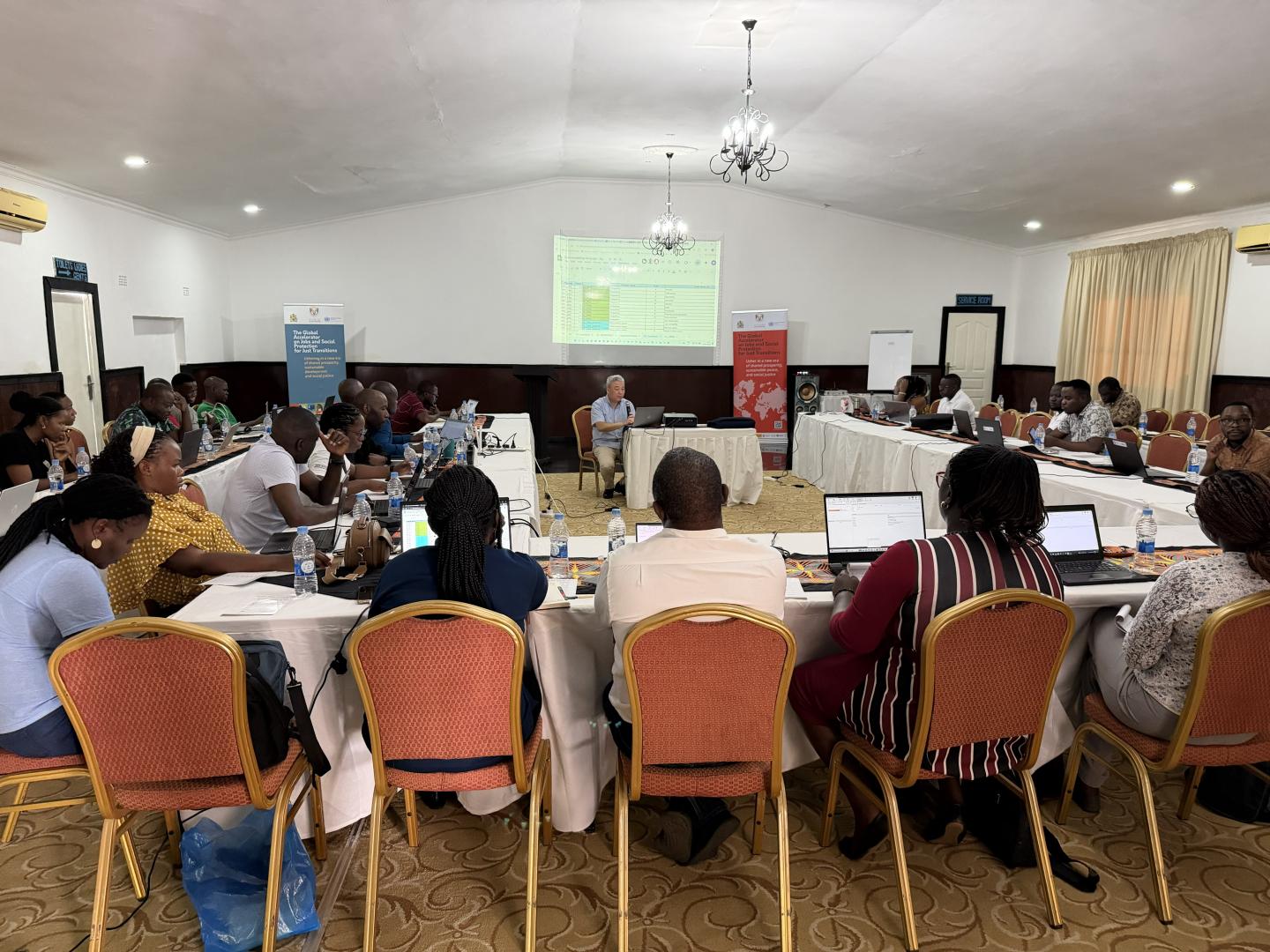
Salima, Malawi - A landmark training workshop, hosted from 13 to 16 April 2026, equipped government officials, employers, and worker representatives with the technical skills to build Malawi's first integrated Labour Market Information System (LMIS) strengthening the country’s capacity for evidence-based policymaking on decent jobs.
Malawi has long grappled with fragmented labour market data — scattered across ministries, incompatible in format, and too irregular to guide rapid policy decisions. Youth unemployment, skills mismatches, and limited real-time information have constrained the country's ability to plan labour market interventions effectively. The LMIS is designed to change that: a unified digital platform to collect, analyze, and share information on jobs, skills, and employment and social protection trends across the country.
But, a system is only as strong as the people who build and manage it. That is precisely why the Ministry of Labour, Skills and Innovation (MoLSI), with support from the International Labour Organization (ILO) under the Global Accelerator joint programme, convened a four-day technical workshop, dedicated to building capacity for SDMX and data modelling, the international standards framework that will underpin the LMIS architecture.
Reflecting the multistakeholder nature of the LMIS mandate, the workshop brought together representatives from six key institutions: Ministry of Labour, Skills and Innovation, TEVET Authority (TEVETA), National Statistical Office (NSO), e-Government Directorate, Employers Consultative Assembly of Malawi (ECAM) and Malawi Congress of Trade Unions (MCTUs).
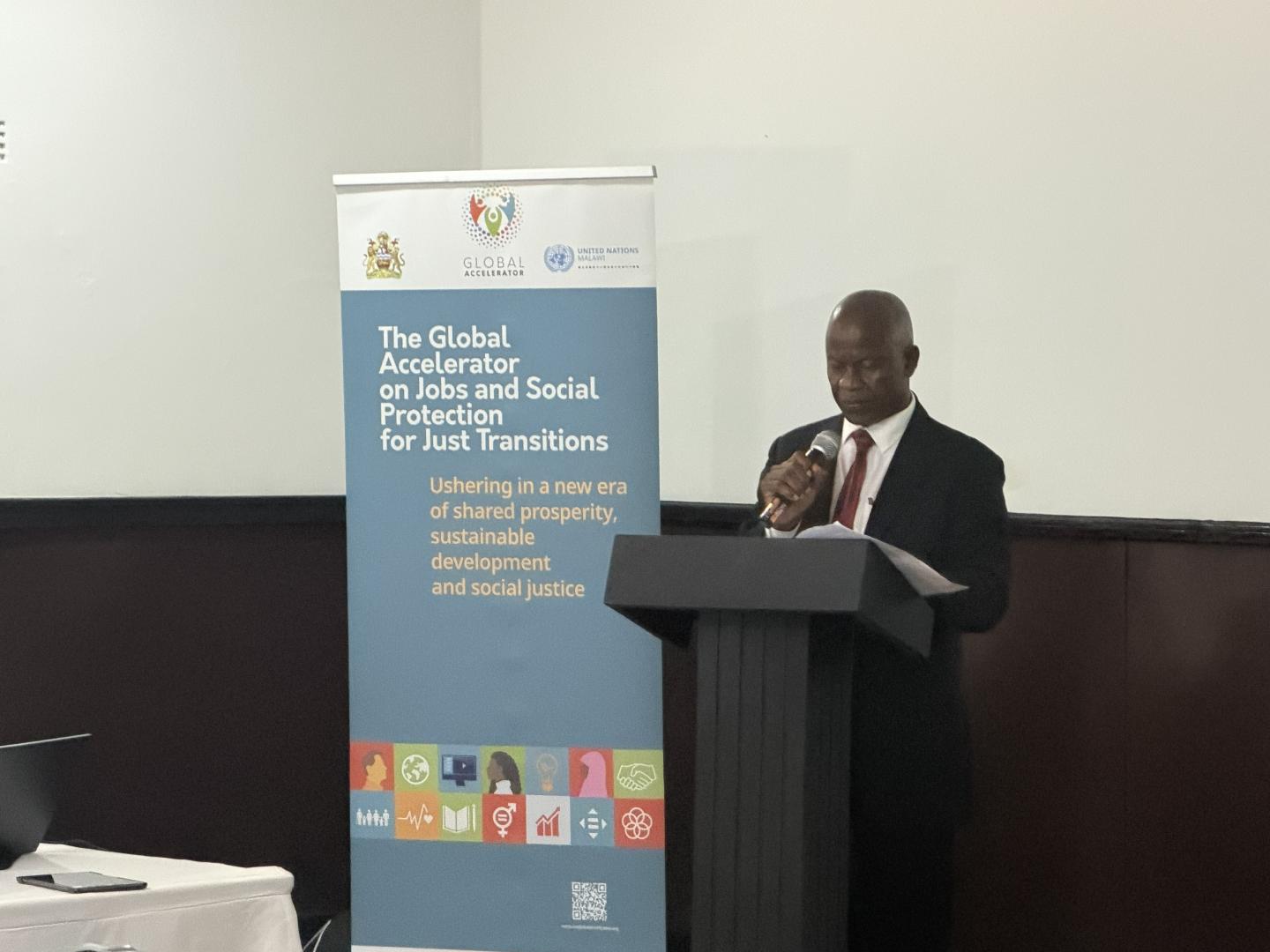
The workshop opened with a clear statement of purpose from Mr George Masinga, Director of Administration at MoLSI, who underscored that the LMIS initiative is fundamental to improving the availability, accessibility, and quality of labour market data in Malawi. Mr Masinga highlighted how persistent challenges — including youth unemployment, skills mismatches, and the absence of real-time data — have impeded effective planning and called for active collaboration among all stakeholders to ensure the system's successful implementation and long-term sustainability. He anchored the initiative firmly within the national vision, noting its alignment with Malawi 2063.
Mr Weichen Lei, Senior Statistical Knowledge Management Officer, ILO reinforced the technical case, emphasising that adopting international standards such as SDMX is not merely a technical exercise — it is the foundation for data that can be compared, trusted, and used across institutions and countries.
Over the course of the workshop, participants moved from theory to practice. Working in groups, they engaged directly with the LMIS platform, building their capacity to create data tables, define indicators, and configure the system's architecture to reflect Malawi's specific labour market priorities. The structure mirrored how the system will operate in practice: collaborative, multi-institutional, and grounded in standardised data structures.
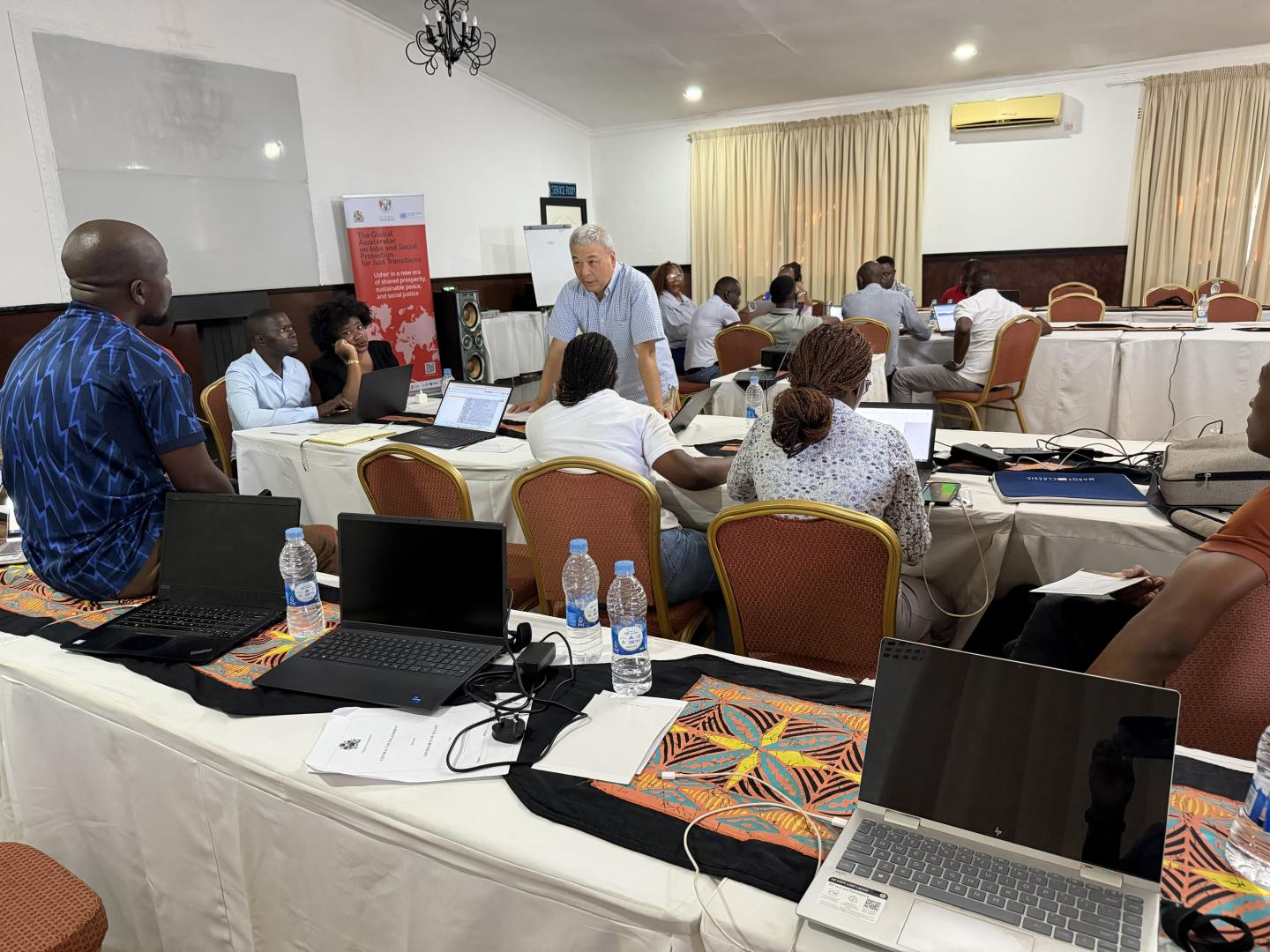
"The successful completion of the SDMX and Data Modelling Workshop is a great milestone in the implementation of the Labour Market Information System. The workshop has laid a solid foundation by establishing the structures required to house and manage the selected indicators. What we once envisioned is now becoming a reality," said Mr Christopher Tcheleko Phiri, Statistician, Ministry of Labour & LMIS Manager, Malawi.
The emphasis on practical skills was deliberate. Participants left not just with conceptual knowledge of SDMX, but with direct experience configuring the very system that will serve Malawi's labour market data needs for years to come.
"The SDMX and data modelling workshop by the International Labour Organization has strengthened my ability to design interoperable and standardized data systems. As part of the team configuring the LMIS, the knowledge gained will help us enhance data quality and integration, enabling Malawi to generate more accurate and timely labour market data for informed, evidence-based decision making. From data silos to smart systems — this is a step forward for Malawi's LMIS," highlighted said Ms Doreen Kapoteza — ICT Specialist, TEVET Authority.
The workshop closed with stakeholders reaching concrete consensus on next steps. Participants agreed on a specific, time-bound plan to sustain the momentum generated over the four days.
- Review and finalise the LMIS Master Plan within one week of the workshop, with specific responsibilities assigned to designated institutions.
- Complete the remaining data tables and indicators
- Convene a follow-up technical workshop in the last two weeks of June 2026 to advance the next phase of LMIS configuration and roll-out.
- Maintain cross-institutional collaboration, with all participating organisations committing continued engagement in the LMIS implementation process.
Speaking on behalf of participants, Ms Jessy Ching'oma of the Malawi Congress of Trade Unions thanked the Ministry, the ILO, and all stakeholders for a successful workshop — and affirmed the trade union movement's continued support for the operationalization of the system.
The workshop was formally closed by Mr Hlalerwayo Kelvin Nyangulu, Labour Commissioner for Malawi who underlined the transformative potential of the LMIS — not just as a technical tool, but as a public good that will help government set more effective policy, employers make better workforce decisions, and job seekers navigate a labour market they can finally understand. The Commissioner called for continued collaboration to ensure the system is sustained well beyond project support.