
Namibia advances on Employment Impact Assessments through trainings and consultations with social partners
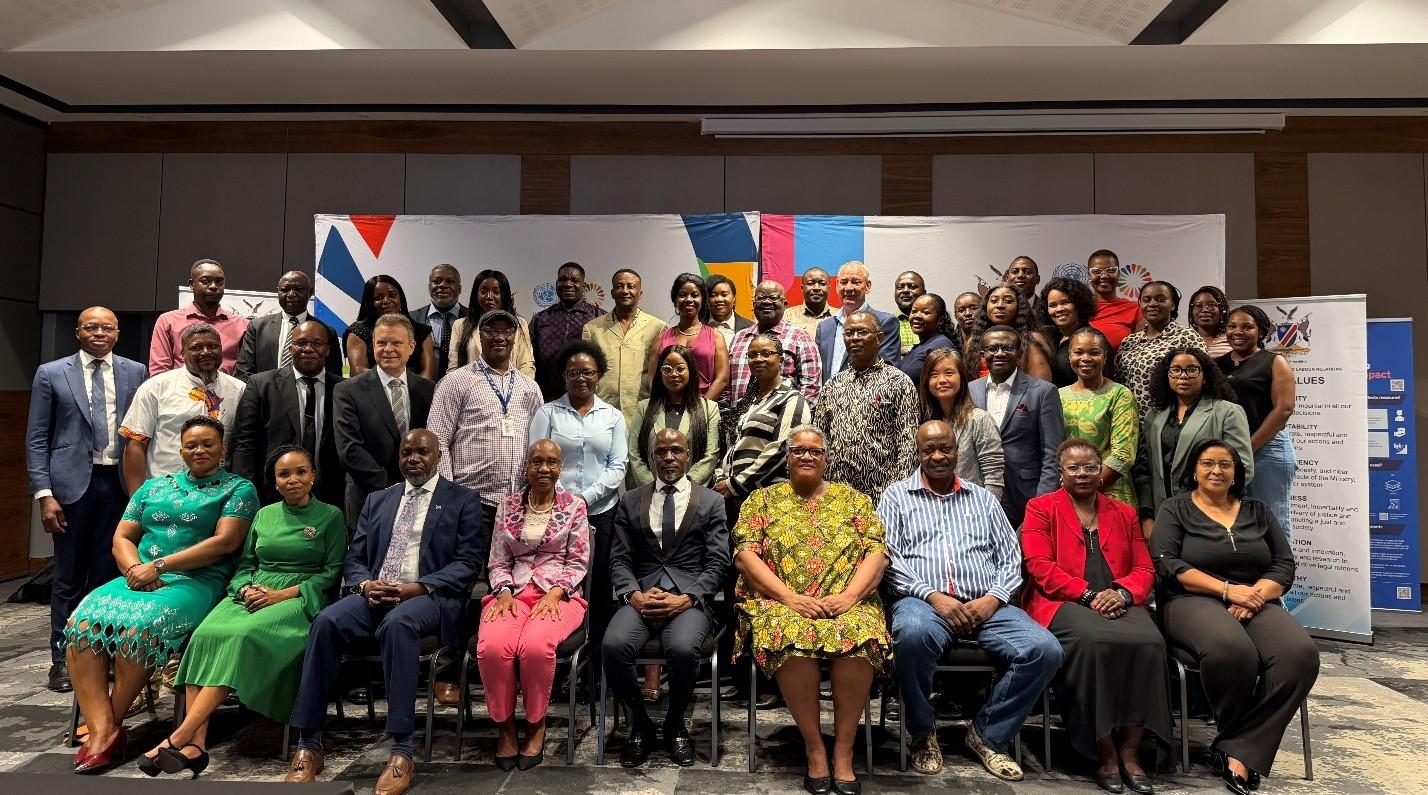
Windhoek, Namibia - The Government of the Republic of Namibia has taken a decisive step toward realising its national goal of creating 500,000 jobs over the next five years by committing to using Employment Impact Assessments (EmpIAs) as a key policy tool.
Under the framework of the United Nations Global Accelerator on Jobs and Social Protection for Just Transitions, the Ministry of Justice and Labour Relations and the International Labour Organization (ILO), brought together government officials, social partners, and development agencies to explore how EmpIAs can be institutionalized within Namibia’s policy and budgeting architecture, on 31 October 2025. The high-level event followed a week of intensive technical training (28 - 30 October 2025) for public officials and social partners on the use of employment impact analysis to assess how policies, public investments and projects, and sectoral interventions contribute to job creation and inclusive growth.
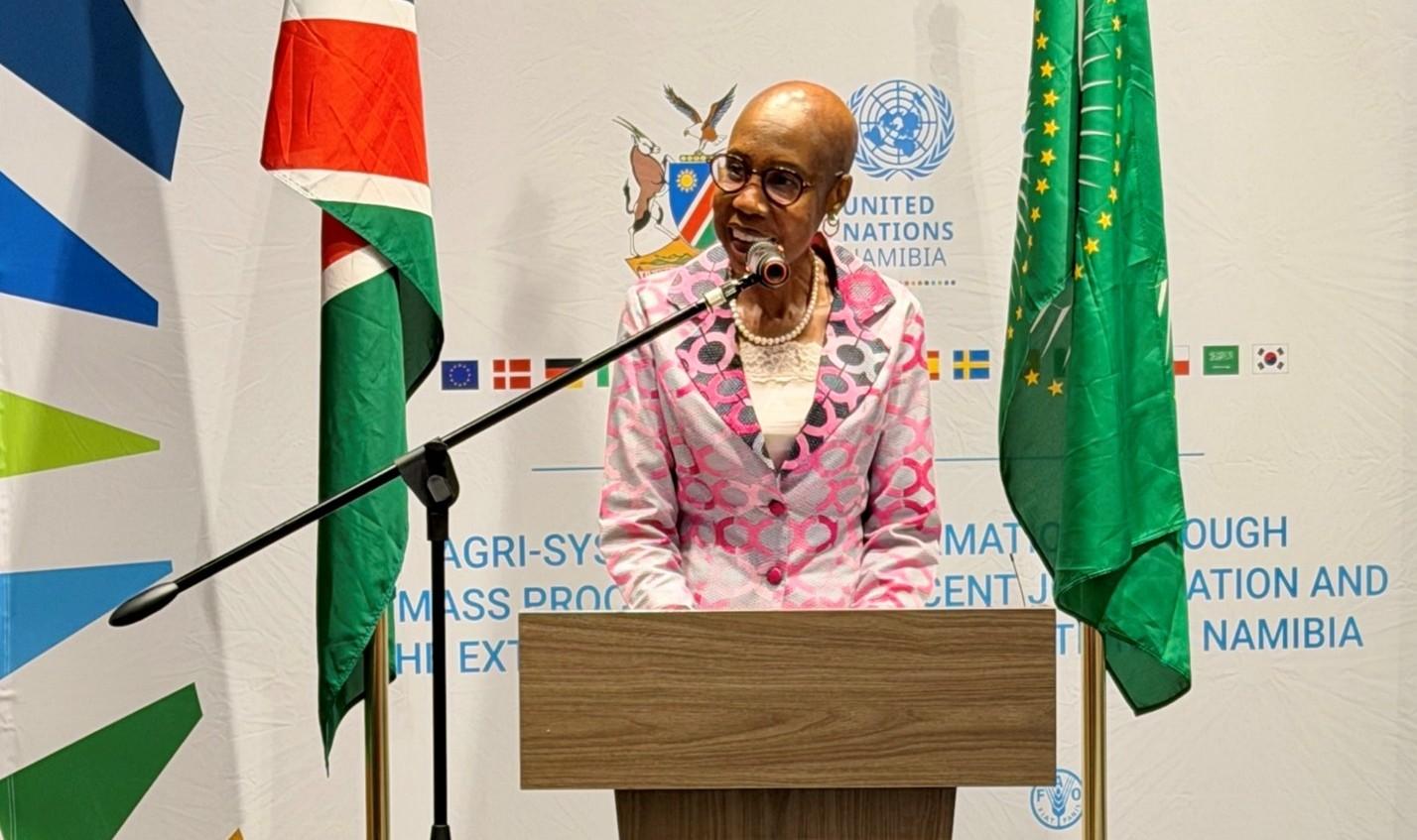
Speaking at the event, the United Nations Resident Coordinator, Ms Hopolang Phororo, underscored the importance of embedding employment considerations into every facet of government decision-making. Ms Phororo commended Namibia’s leadership as one of the first Pathfinder countries under the initiative, noting that “institutionalizing employment impact assessments will ensure that every policy and investment decision counts for jobs.”
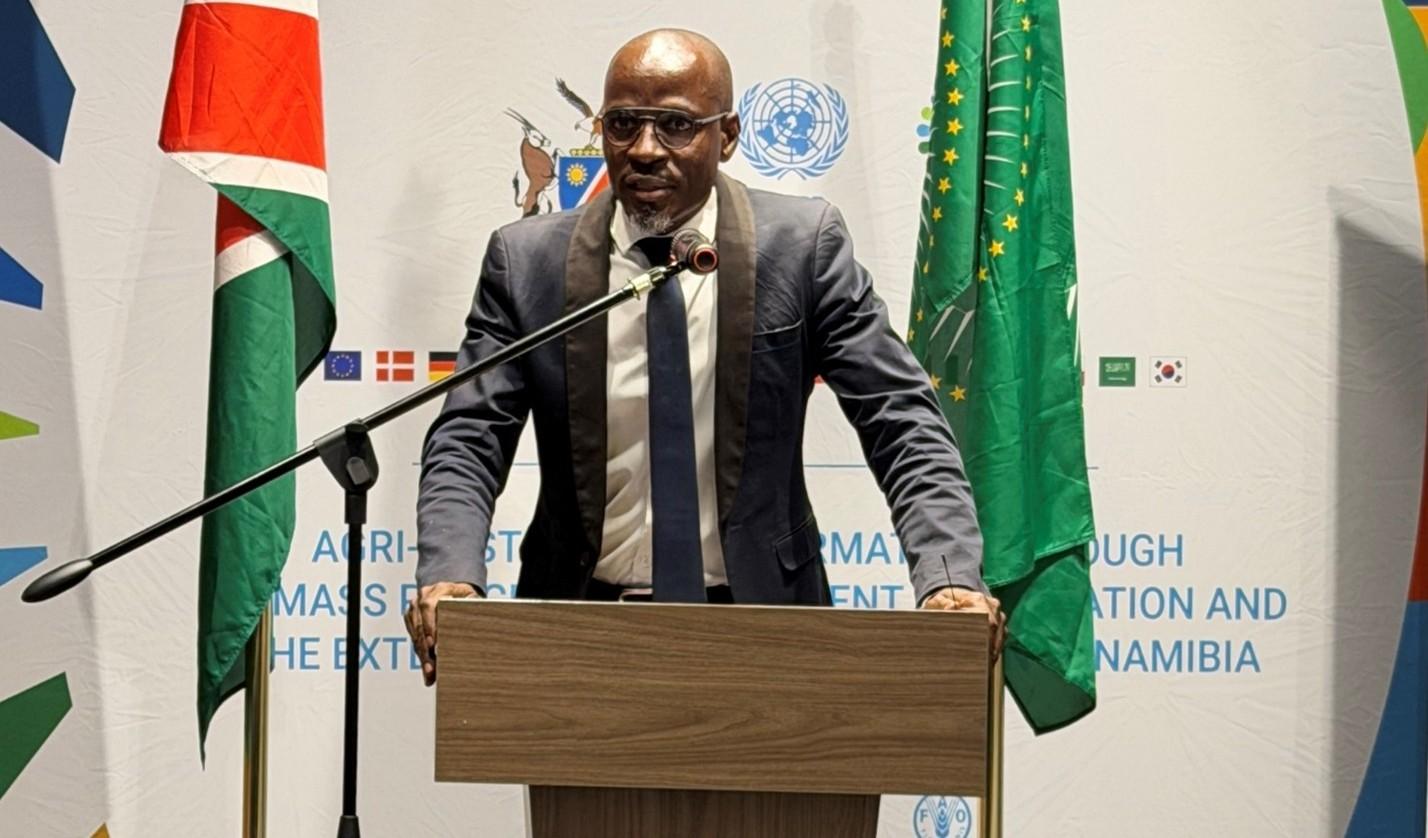
In his keynote address, Hon. Fillemon Wise Immanuel, Minister of Justice and Labour Relations, reflected on the significance of the exercise for Namibia’s development future. He defined employment impact assessment as “a structured and analytical exercise that helps us evaluate how policies, programmes, projects, and laws influence employment outcomes.” He added that the tool “promotes evidence-based decision-making, enabling us to assess both the positive and negative effects of our choices on employment creation.”
Employment is a cross-cutting issue that demands collaboration among governments, the private sector, academia, and social partners in a coordinated and integrated manner. EmpIA serves as a valuable tool for evaluating the contribution of policies, sectoral interventions, public investments, and projects to job creation and inclusive growth. Therefore, it is essential to integrate EmpIA into national and sectoral development plans as well as performance evaluation frameworks in order to ensure that development initiatives effectively contribute to meaningful job creation. This integration will facilitate the alignment of employment policies and investments with established employment objectives.
The preceding technical training targeted government officials and social partners to enhance their capacity to undertake EmpIA helped identify the institutional and operational arrangements needed to anchor EmpIA within Namibia’s policymaking processes.
Participants emphasized the importance of inclusivity by ensuring youth and gender representation in training and research initiatives. Furthermore, promoting local expertise through higher education institutions and research bodies was highlighted as a means to reduce dependency on external consultants and promote sustainable capacity development within Namibia. In the subsequent phase, an advisory note will be prepared drawing on the group discussions held during the technical training, and bilateral consultations will be convened to further advance the initiative.

The two main conclusions that emerged from the training were: (i) The establishment a dedicated EmpIA desk or team within the Ministry of Justice and Labour Relations (MoJLR) and/or the National Planning Commission (NPC) that would provide a central focal point for coordination and technical expertise, and would also facilitate the provision of necessary training to other institutions when required; and (ii) collaboration with the Namibia Institute of Public Administration and Management (NIPAM) in designing specialized training programmes and short courses would help strengthen institutional knowledge on EmpIA.
This initiative has been implemented with financial support from the Government of the Republic of Korea, through the Ministry of Employment and Labor (MOEL), under the project Delivering on National Commitments: Korea's Support to the Implementation of the Global Accelerator. Korea's support is helping strengthen analytical capacity, promote evidence-based policymaking, and advance the implementation of Global Accelerator roadmaps in pathfinder countries.