SASPEN partners with Global Accelerator to champion climate-resilient social protection in Malawi
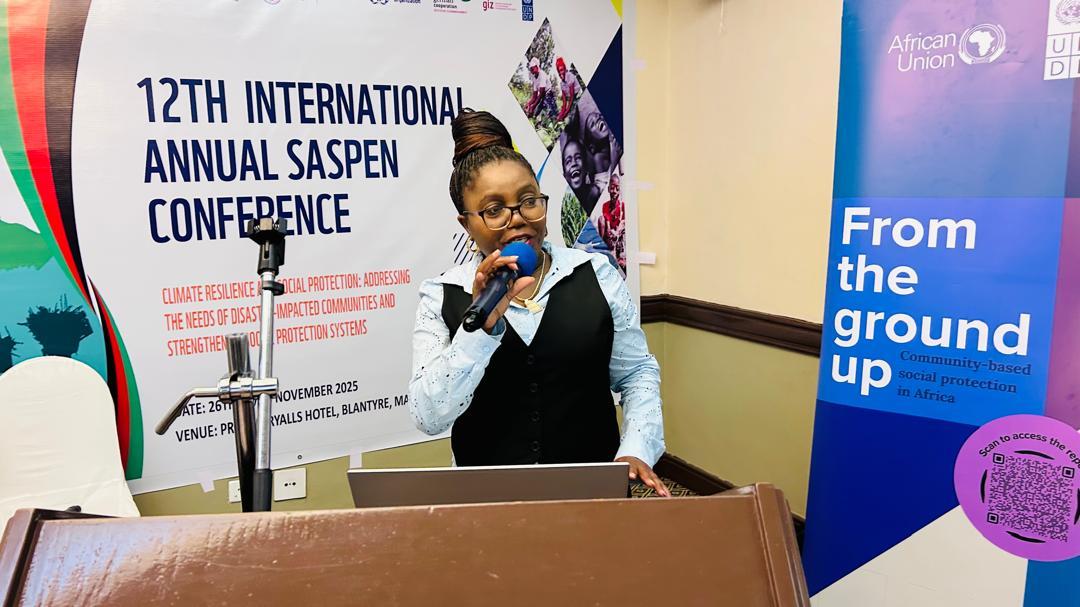
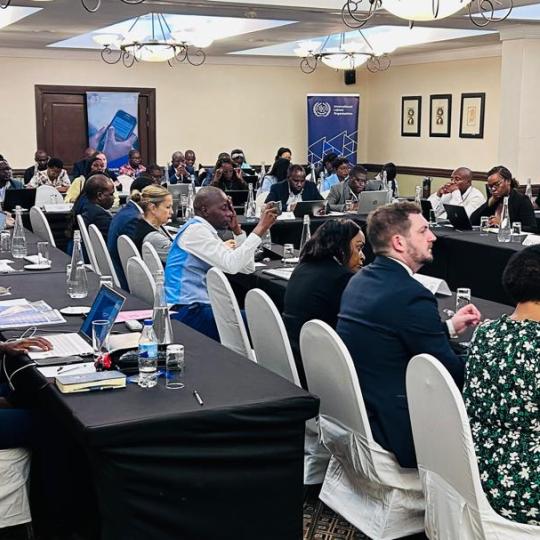
Blantyre, Malawi - As part of the Global Accelerator, the ILO Regional Programme on Social Protection, funded by the Government of Ireland, partnered with the Southern African Social Protection Experts Network (SASPEN) to convene SASPEN’s 12th International Conference in Blantyre, Malawi, from 25–27 November 2025. Extreme weather events, floods, and droughts are eroding livelihoods and deepening poverty in South Africa and Malawi. Social protection systems, traditionally designed for economic shocks, now face the urgent task of integrating climate resilience.
Held under the theme “Climate Resilience and Social Protection: Addressing the Needs of Disaster-Impacted Communities and Strengthening Social Protection Systems,” the event brought together policymakers, social partners, civil society, and international organizations to explore adaptive strategies for climate shocks. The conference provided a platform for policy dialogue on bridging the climate response gap and ensuring vulnerable communities are not left behind. The Conference highlighted persistent gaps: limited government ownership, weak institutional capacity, and heavy donor dependence—factors that leave millions vulnerable.
Opening the event, Hon. Mary Navicha, Malawi’s Minister of Gender, Children, Disability and Social Welfare, reaffirmed government commitment: “The Government of Malawi is committed to protecting the most vulnerable. Our National Social Protection Policy provides a renewed pathway for strengthening adaptive programmes, expanding resilient livelihoods, and supporting Malawi 2063.”
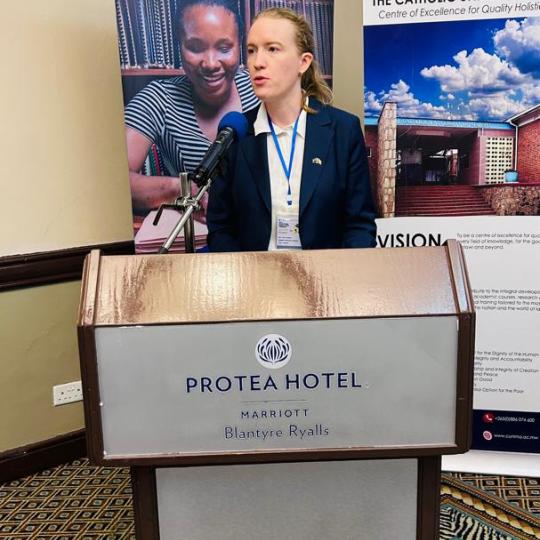
Her Excellency, Ms Kate Brady, Ambassador of Ireland to Malawi, commended Malawi’s progress and emphasized upon sustainability: “Malawi has made significant strides strengthening the Social Registry, expanding e-payments, and rolling out cash-plus components. To sustain this momentum, we must prioritize increased domestic financing, stronger shock-responsive systems, and deeper cross-sector linkages for resilience.”
Experts called for harmonizing climate and social protection policies, as current frameworks often operate in silos. While cash transfers remain vital during crises, participants stressed the need for long-term, integrated approaches that build resilience and reduce dependency. Recommendations included embedding resilience-building and labour market integration into legal frameworks, expanding contributory social security schemes, and fostering collaboration between government, private sector, and civil society.
The message was clear: climate resilience and social protection are inseparable. Building adaptive systems is not just about disaster response—it is about creating inclusive, shock-responsive frameworks that protect lives, sustain livelihoods, and foster economic recovery. Insights from SASPEN’s 12th Conference will support Malawi’s new policy and the Global Accelerator National Roadmap, reinforcing that investments in robust social protection systems yield long-term dividends for resilience and inclusive growth.