
Turning budgets into tools for equality: Malawi strengthens gender-responsive public finance
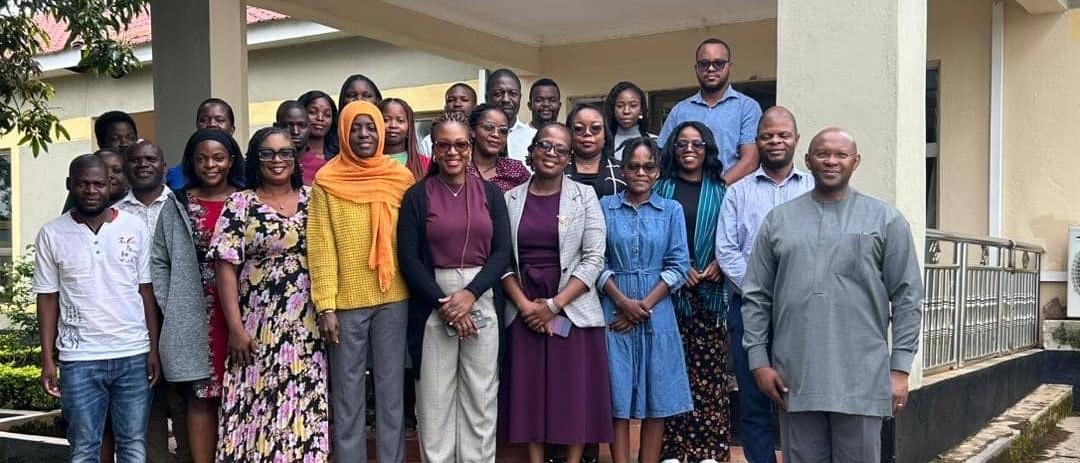
Malawi - National budgets are more than financial documents—they are powerful tools that shape people’s lives. The manner in which governments allocate resources determines who has access to opportunities, services, jobs and social protection. In Malawi, policymakers are working to ensure that these decisions reflect the realities of both women, men, boys, girls and people with disabilities using gender-responsive budgeting to turn public finance into a driver of inclusive development.
From 16–20 February, policymakers and technical experts convened at Hillside Lodge for a training on Gender Responsive Budgeting (GRB), also known as the Gender and Economic Policy Management Initiative (GEPMI).
The training was organized in collaboration with the Ministry of Finance and Economic Affairs and facilitated by the United Nations African Institute for Economic Development and Planning (UN-IDEP). Additionally, it received support from UN Women under the Global Accelerator High Impact Track Joint Programme on Accelerating Employment Creation and Social Protection through Integrated Agriculture Value Chain Development.
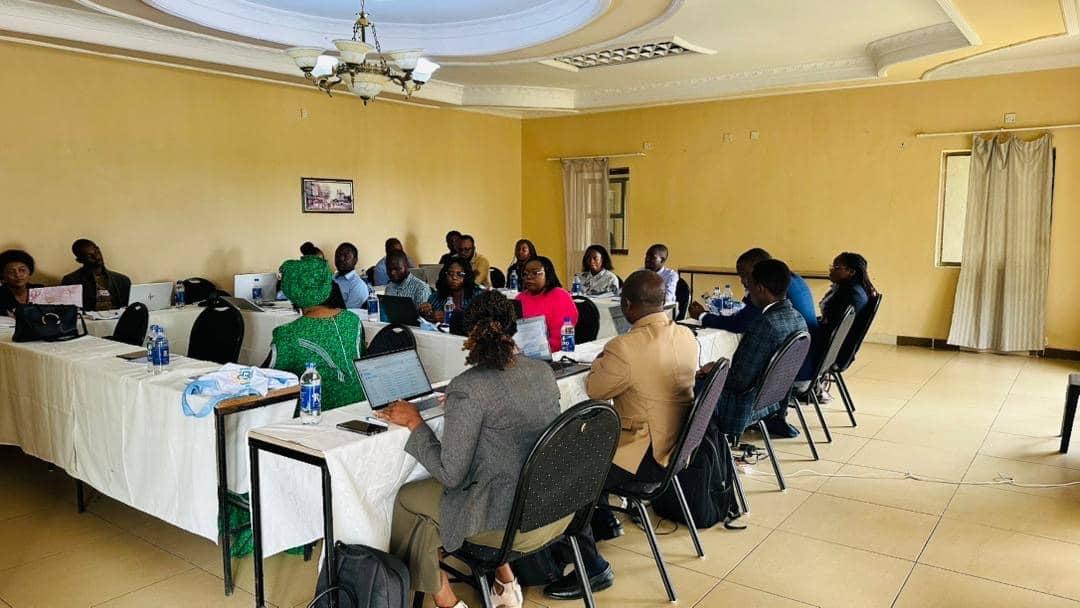
The programme focused on how public budgets can better address the different needs of women and men and drive more inclusive development. It brought together officials from key ministries—including finance, gender, education, agriculture and health at a critical moment as Malawi prepares its 2026/27 national budget and works toward its long-term development goals under Malawi Vision 2063.
Over the course of the week, participants explored a simple but powerful question: Who truly benefits from national economic policies, and who may be left behind?
Through interactive sessions, participants examined how economic policies from taxation and trade to climate investments and social protection can affect women and men differently. Discussions also highlighted the often-overlooked economic value of unpaid care work, such as childcare and household responsibilities, which disproportionately fall on women but remain largely invisible in traditional economic systems.
For many participants, the training opened new ways of thinking about economic policy.
“The course has improved my capacity to apply gender analysis tools in policy design and implementation. It has also provided a greater understanding of unpaid care work as an economic factor,” said Bright Naphiyo, Economist, Ministry of Finance.
The training placed strong emphasis on practical learning. Working in groups, participants analyzed Malawi’s 2025 National Budget Statement to identify gender gaps across sectors and develop gender-responsive budget statements that could help guide future government planning and resource allocation.
The exercise sparked lively debates as participants considered how budget decisions influence issues such as access to agricultural inputs, educational opportunities, healthcare services, and social protection.
Another key discussion centred on the economic importance of unpaid care work and the need for policymakers to recognize it when designing economic systems.
“It makes economic sense for unpaid care work to be considered in the System of National Accounts because its role as a source of productive labour force cannot be disputed,” noted Emmanuel Masuso, Economic Planning and Development Department, Ministry of Finance.
Participants also explored ways to strengthen the gender responsiveness of social protection programmes and climate resilience initiatives, both essential for supporting vulnerable communities and building inclusive growth.
A key message that emerged from the training was that gender-responsive budgeting goes far beyond counting how many women participate in a programme. Instead, it requires a deeper analysis of gender inequalities, targeted policy responses, adequate resources and clear accountability for results.
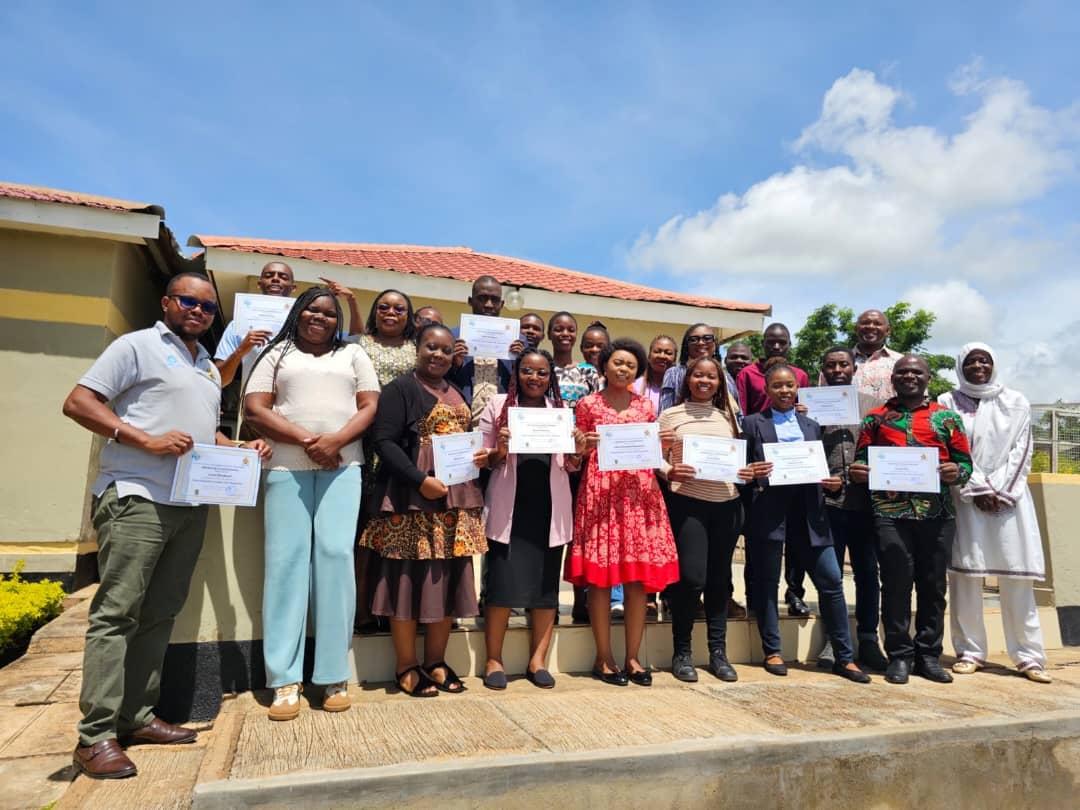
By the end of the week, participants had developed concrete action points to strengthen the integration of gender considerations in Malawi’s public finance system. These include reviewing and updating the country’s Gender Budget Guidelines and Indicators, which have remained unchanged since 2002, strengthening institutional arrangements to include gender specialists in the budgeting process, and improving coordination across ministries.
Importantly, the knowledge and tools acquired during the training will be applied to mainstream gender considerations in the development of sectoral budgets, ensuring that institutions formulate gender-responsive economic budgets.
As Malawi continues to pursue its development ambitions, initiatives like this are helping ensure that economic policies reflect the realities of people’s lives.
By strengthening the capacity of government institutions to integrate gender perspectives into economic planning and budgeting, the initiative marks an important milestone toward inclusive growth, decent job creation and stronger social protection systems.
Ultimately, gender-responsive budgeting is about more than numbers. It is about ensuring that public resources help build a future where women and men alike can contribute to and benefit from Malawi’s development.