
Nepal advances care cooperatives to support care workers, families and women’s economic participation

Kathmandu, Nepal – Women in Nepal remain disproportionately engaged in informal employment while carrying the majority of unpaid care responsibilities. Labour migration has further increased care demands in many households, reducing women's time, mobility, opportunities for skills development and leadership, and access to income-generating work.
Nepal is taking an important step to strengthen community-based care services through a new national initiative to promote care cooperatives. The initiative aims to support care workers, improve access to quality and affordable care, and reduce the unpaid and invisible care responsibilities that continue to limit women's participation in the labour force.
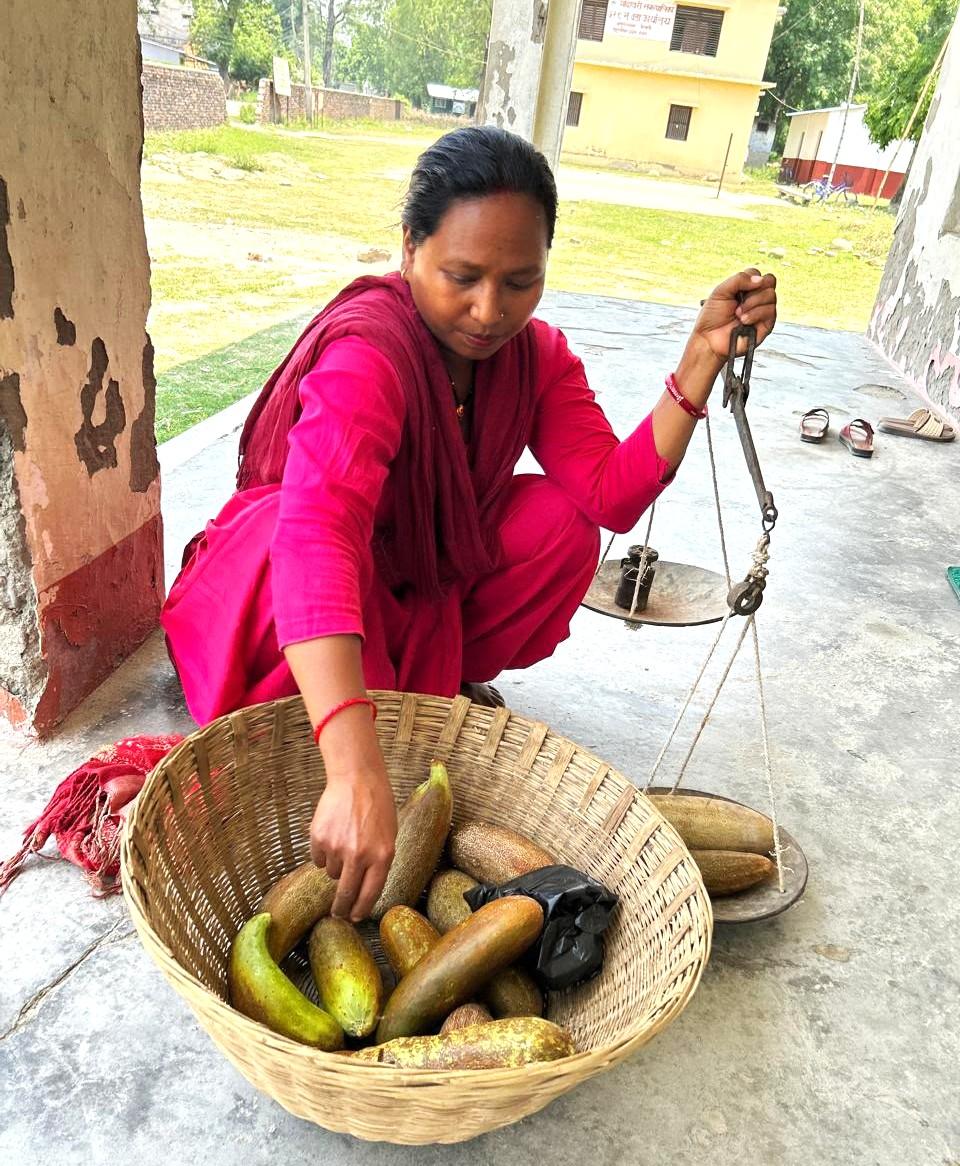
With support from the International Labour Organization (ILO), the National Cooperative Federation of Nepal (NCF) has launched a national initiative to develop skilled facilitators who will help cooperatives establish and manage care services across the country. The initiative is being implemented under the EU–UN Empowered Women, Prosperous Nepal Joint Programme and the Global Accelerator on Jobs and Social Protection for Just Transitions.
Care cooperatives offer a community-led approach to expanding access to affordable, quality care services while creating opportunities for decent work in the care economy. They also enable families to participate more fully in paid employment by improving access to reliable care services and redistributing unpaid care responsibilities within communities.
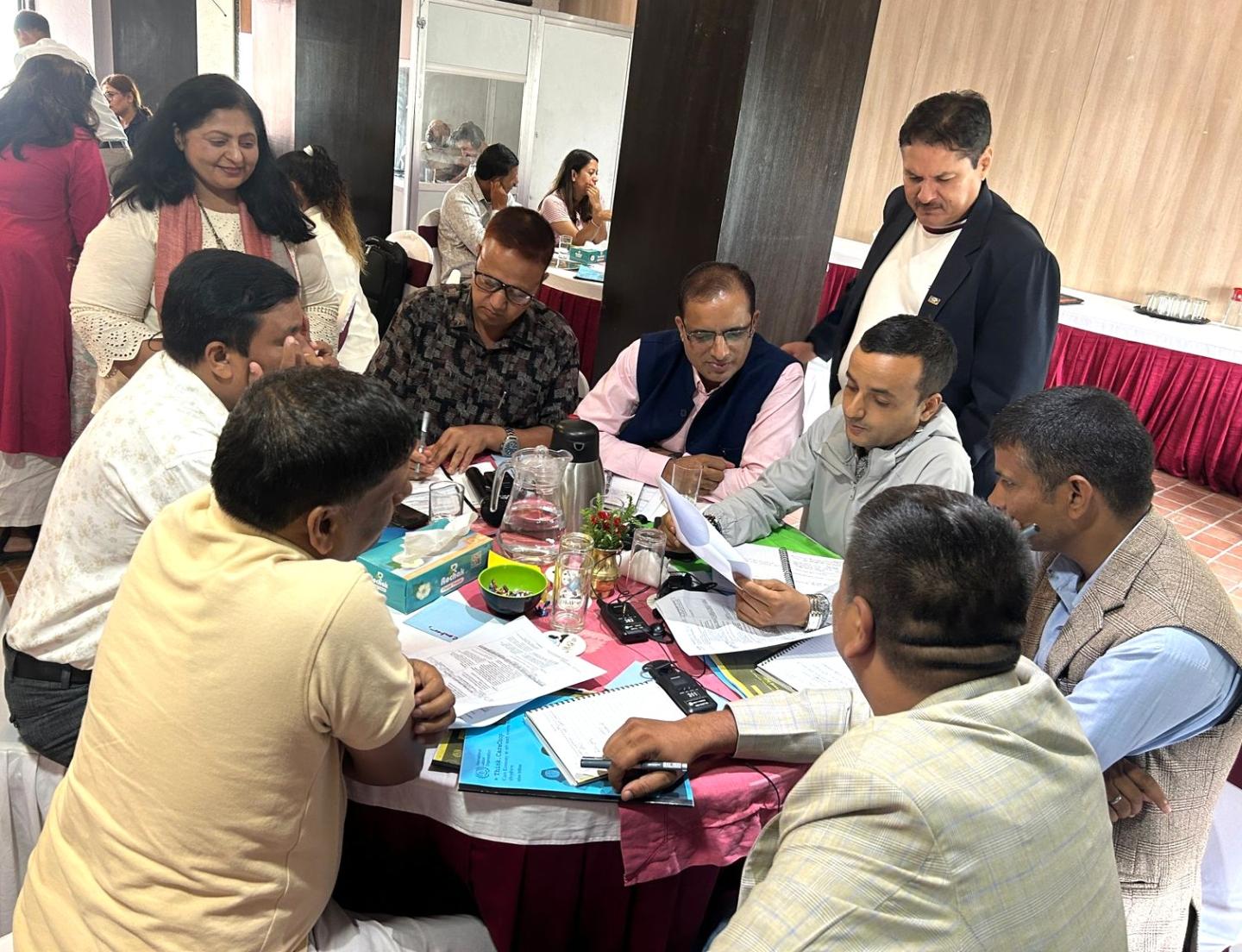
The initiative will strengthen the capacity of cooperative leaders, trainers, government representatives and practitioners to promote and establish care cooperative models. Trained facilitators will support cooperatives to assess local care needs, design appropriate services, and strengthen community-based care systems.
The approach is being piloted in Madhesh, Karnali and Sudurpashchim provinces, where cooperative-based care services are expected to contribute to stronger livelihoods, improved access to care, and more inclusive local economic development.
The initiative seeks to increase recognition and support for care workers while improving access to reliable care services for families. By reducing unpaid care responsibilities, it also aims to expand women's opportunities for income generation, skills development and leadership.
The programme draws on the ILO's Think.CareCOOP and Start.CareCOOP Training of Trainers (TOT) tools, which help cooperatives and stakeholders understand, design and establish cooperative-based care services. These training programmes will strengthen national capacity to develop sustainable care solutions that benefit care workers, families and communities over the long term.
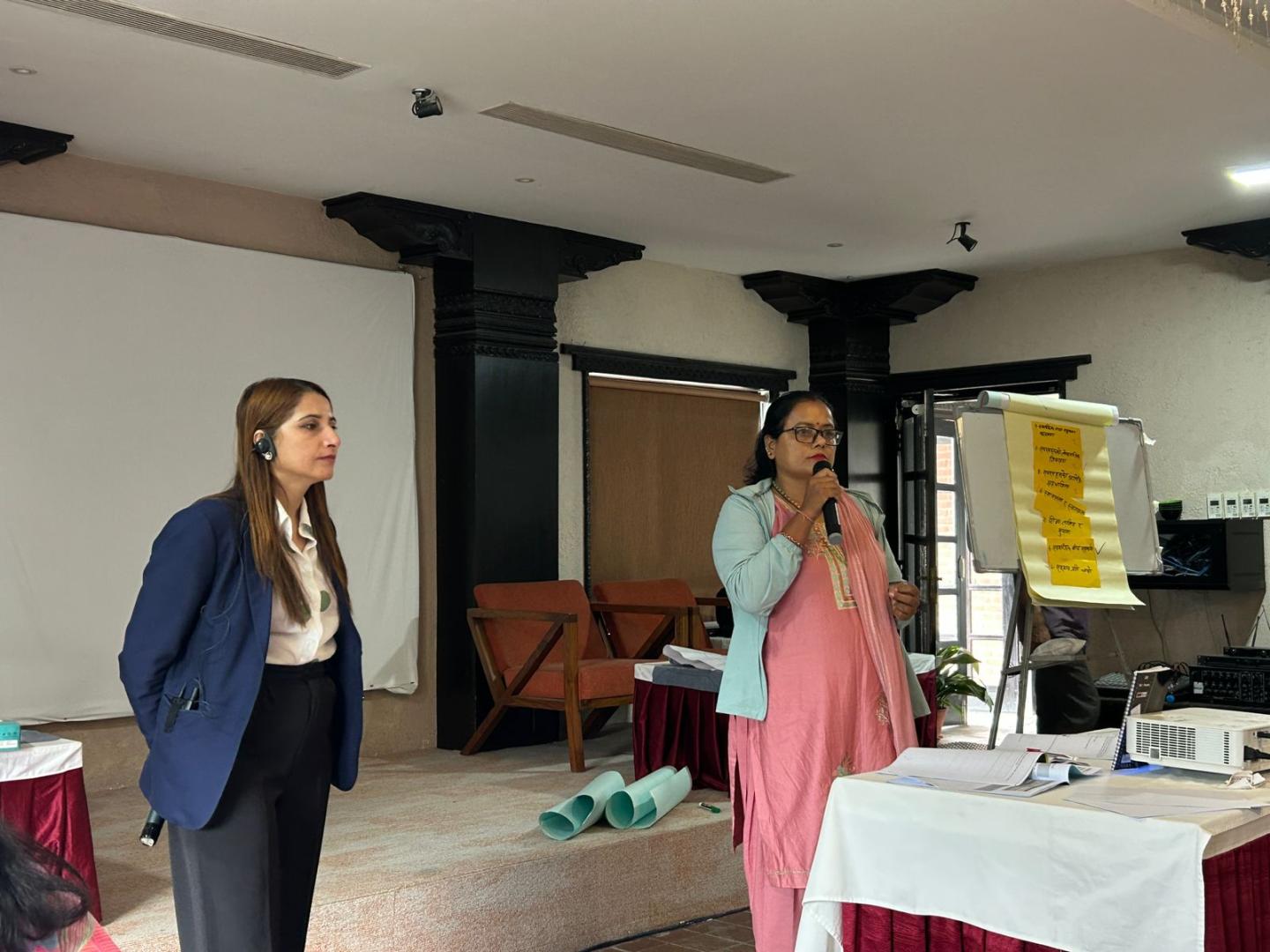
Rapid organizational assessments and provincial consultations in Madhesh, Karnali and Sudurpashchim provinces helped build interest in care cooperatives and secure stakeholder commitment.
This will be the first cohort of ILO-certified trainers in the Think.CareCOOP and Start.CareCOOP modules. These certified trainers are expected to cascade the training across the country, enabling existing cooperatives to establish care services and supporting the creation of new care cooperatives.
The Think.CareCoop TOT programme brought together Provincial Cooperative Registrar Offices, municipal government and cooperative focal persons to support pilot care service initiatives. The implementation agreement with NCF will also develop model bylaws for endorsement by the Department of Cooperatives, standard operating guidelines, and a national toolkit to support the scaling up of care cooperatives through Nepal's 32,500 primary cooperatives.
The 30 trainers were trained on Think.CareCoop and will be rolling out trainings on the ground to come back for the Start.CareCoop TOT in a months’ time to further roll out trainings and be certified trainers in Nepal.
By investing in care cooperatives, Nepal is recognizing care as both a social necessity and an economic opportunity. The initiative is expected to contribute to gender equality, decent work, stronger social protection, and more resilient local economies.