
Nepal moves to make climate action work for workers, businesses and communities
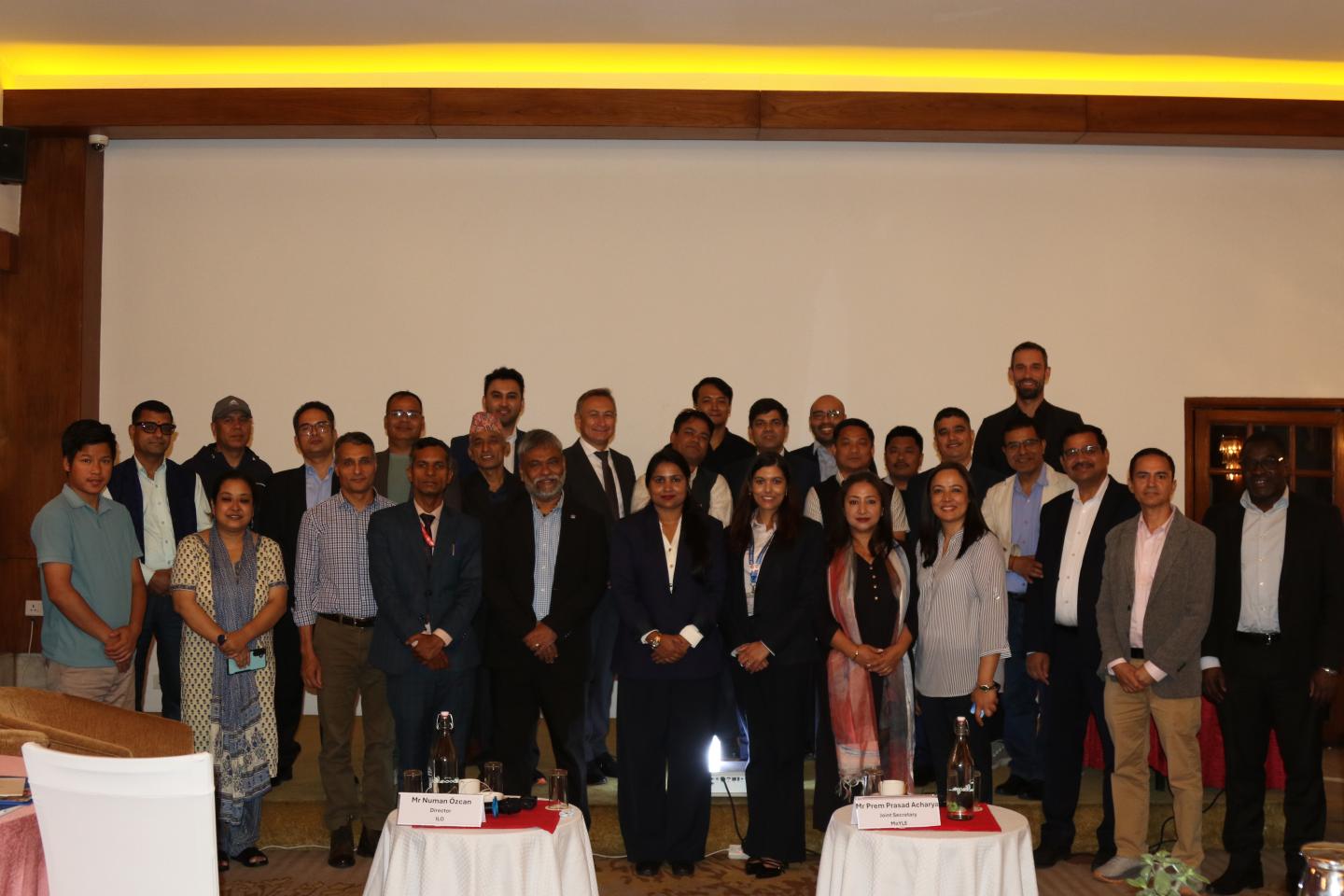
Kathmandu, Nepal – Nepal is taking an important step towards ensuring that its climate commitments deliver tangible benefits for workers and businesses by advancing an inclusive approach of Just Transition linked to the country’s Nationally Determined Contribution (NDC 3.0).
As Nepal aims to move towards a greener, sustainable and more resilient economy, the Government, workers’ and employers’ organizations, business and industry representatives, climate experts, civil society, development partners and the International Labour Organization has come together to help shape a national Just Transition Strategy and Action Plan. The process is designed to ensure that climate action is not only environmentally sound, but also human-centred with adequate attention on protection and promotion of employment, enterprises primarily MSMEs and most vulnerable segment of population.
At the centre of the discussion is a simple but urgent question: how can Nepal’s climate response create decent jobs, protect jobs and livelihoods at risks, extend social protection measures, strengthen enterprises and support communities most affected by economic and environmental transition.
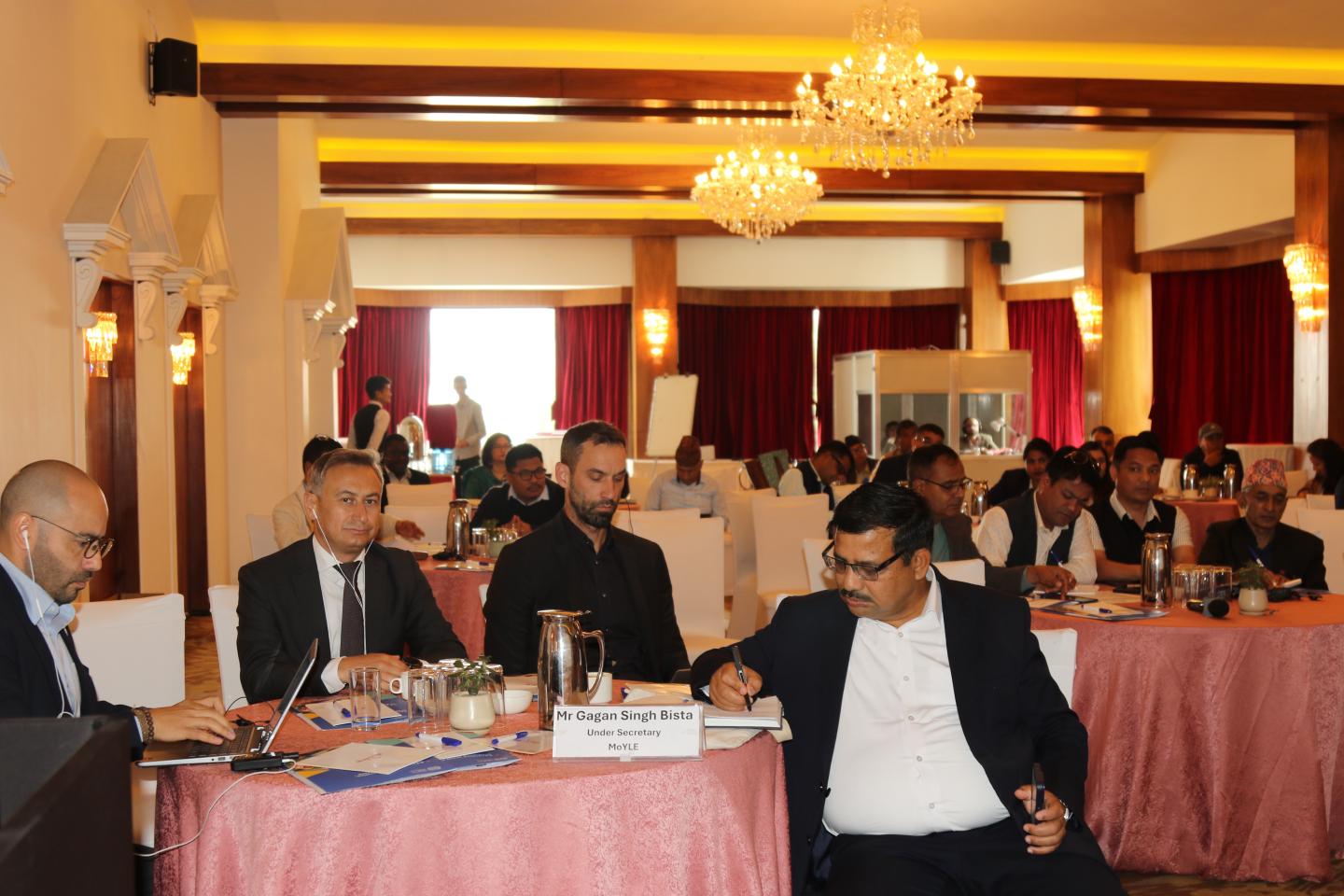
The initiative will draw on the findings of the Green Employment Diagnostics Report of Nepal, supported by the ILO, to identify where green jobs can be created, where workers may need new skills, and where policy support is needed to ensure that no one is left behind in the transition to a low-carbon and climate-resilient economy.
At the opening of the workshop on Green Employment Diagnostics Report and National Just Transition Strategy and Action Plan linked to the NDC 3.0, Mr Numan Özcan, ILO Country Director for Nepal said, “Through this process, Nepal has an opportunity to connect its climate ambition with jobs, skills, social protection and inclusive development.”
Nepal’s NDC 3.0 recognizes the need for a Just Transition-related institutional arrangement led by the Ministry of Youth, Labour and Employment (MoYLE) with representation from trade unions, employers’ associations, business and industry associations, and climate experts along with developing an action plan to implement just transition initiatives. This provides a strong foundation for coordinated action and social dialogue.
A Just Transition approach can help Nepal prepare workers for emerging green sectors, provide adequate protection to workers who will be affected due to transition, support enterprises primarily MSMEs to adopt sustainable practices, promote safer and healthier workplaces, expand social protection, and strengthen the voice of workers and employers in climate-related decision-making. It can also help ensure that women, young people, informal workers, vulnerable communities and small enterprises benefit from new opportunities created by climate action.
The national dialogue being organized jointly with MoYLE has identified priority areas for action, including employment creation, skills development, social protection, occupational safety and health, sustainable enterprises and social dialogue. It also contributed to a sequenced action plan, outlining practical steps, responsible institutions and opportunities for collaboration.
Rather than being an isolated consultation, the process helps Nepal build a coherent national framework that connects climate action with labour market policies and social development. It is closely aligned with the principles of the ILO Guidelines for a Just Transition towards environmentally sustainable economies and societies for all and with broader efforts under the Global Accelerator on Jobs and Social Protection for Just Transitions.
By linking Nepal’s NDC 3.0 with decent work and social justice, the initiative aims to support a transition that is not only green, but also fair: one that creates opportunities for workers, strengthens enterprises, protects people from risks, and helps communities build resilience in the face of climate change.
This news item first appeared on the ILO website.