Global Accelerator programme builds capacity for designing a sustainable pension system in Malawi
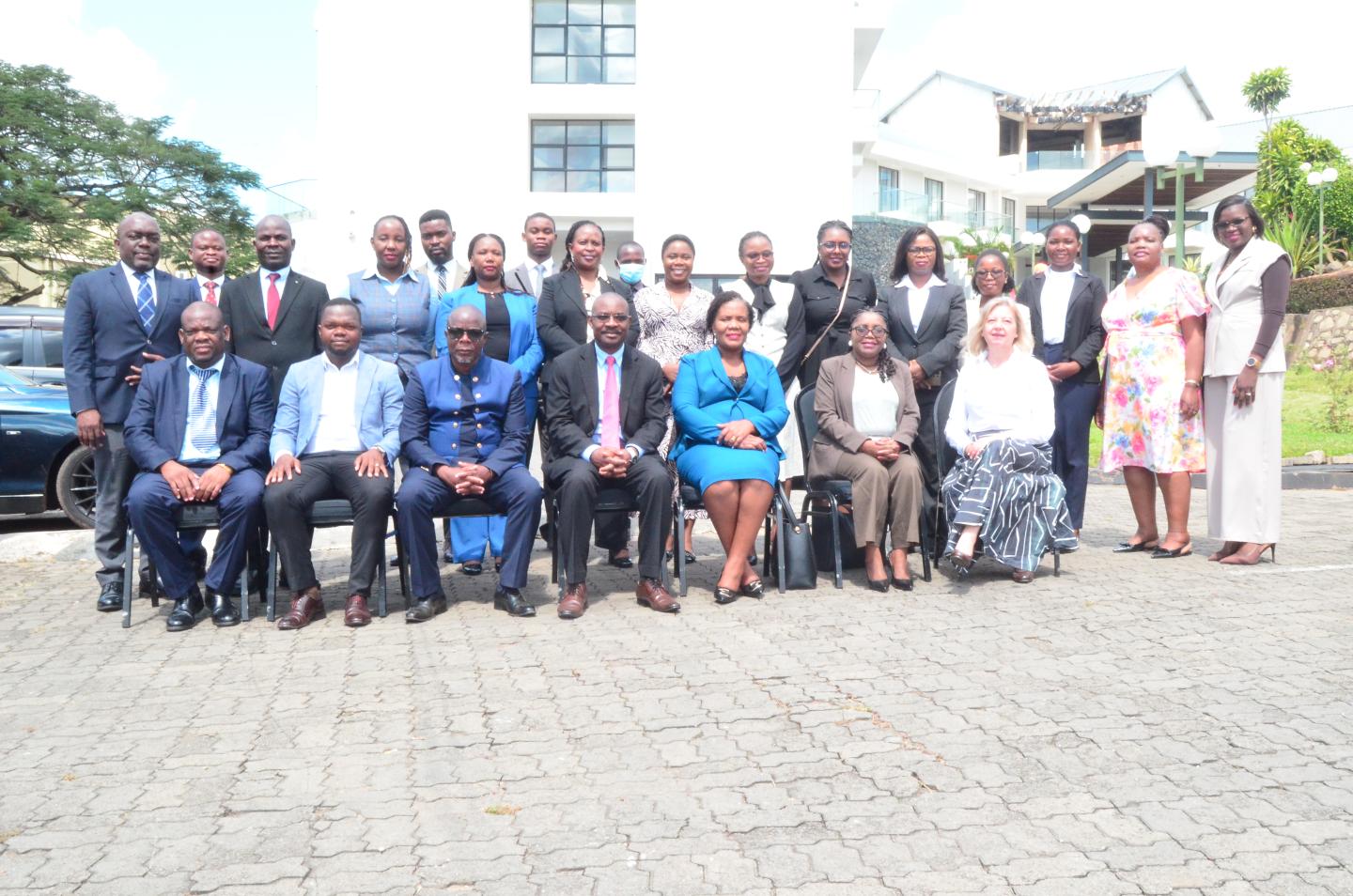
Blantyre, Malawi - The Reserve Bank of Malawi (RBM), in collaboration with key national stakeholders, has taken a significant step toward strengthening the country’s pension system through a two-day technical workshop focused on sustainable pension design from 23-24 April 2026. The tripartite training brought together 30 participants from the Ministry of Finance, Ministry of Labour, Employers Consultative Association of Malawi (ECAM), Malawi Congress of Trade Unions, and the Reserve Bank of Malawi (RBM).
The workshop forms part of ongoing efforts to strengthen Malawi’s pension framework in line with international best practices. It complements the work of the RBM and the Ministry of Finance, Economic Planning and Decentralization in conceptualizing a system that aligns with global social security standards, particularly the Social Security (Minimum Standards) Convention, 1952 (No. 102).
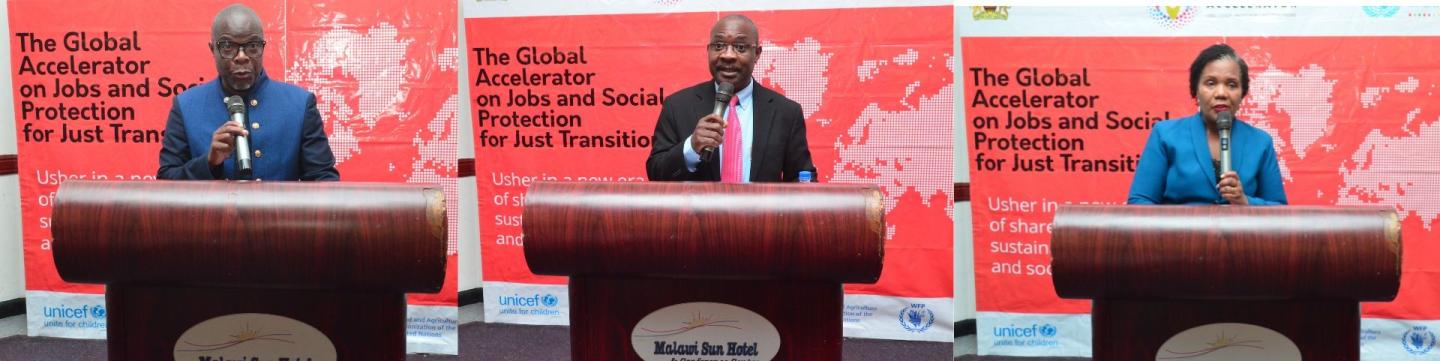
“This capacity building on designing sustainable pension system is invaluable, several gaps exist in our pension system including benefit inadequacy, low coverage, lack of coverage to the informal sector. This training is strategic in building our internal institutional capacity, as it will provide us with knowledge to refine our system. We have a collective responsibility to ensure the pension system delivers on its mandate of providing income security in old age in a sustainable manner,” Dr Sopani Gondwe, Director Financial Sector Regulation.
The RBM sought technical support from the International Labour Organization (ILO) to address legal, structural, and institutional challenges associated with establishing a National Pension system. The training capacitated participants with knowledge on the ILO’s multi-pillar pension model, adapted to Malawi’s context by Mr Andre Picard, Head of the ILO’s Actuarial Unit. Further participants were equipped with knowledge on key regulatory principles necessary for the sound and sustainable management of social security systems, emphasizing transparency, accountability, and long-term financial sustainability by Mr Raul Frick Ruggia, Director of the Social Security Department at the International Social Security Association (ISSA).
Discussions revealed several critical gaps in Malawi’s current pension system, which include, the absence of a mandatory defined-benefit social insurance scheme covering both public and private sector workers. Additional challenges identified include limited coverage, inadequate benefits, compliance and governance gaps, all of which hinder the effectiveness of the existing pension framework. While Malawi currently relies on defined-contribution pension schemes these mechanisms often result in irregular, less predictable, and insufficient benefits.
“This is an important training as it will empower us employers, workers and government with knowledge on how to design a pension system that is sustainable. Pension benefits are important for retired workers. We urge the Reserve Bank of Malawi to regularly engage employers on pension issues,” stated Ms Ann Chavula, President- Employers Consultative Association of Malawi.
The proposed 'Pillar One Scheme' under the multi-pillar model would provide more stable and equitable income security in old age, particularly benefiting workers with low or irregular earnings. Participants noted that implementing such a reform would require substantial institutional reform, including establishing a national social insurance institution.
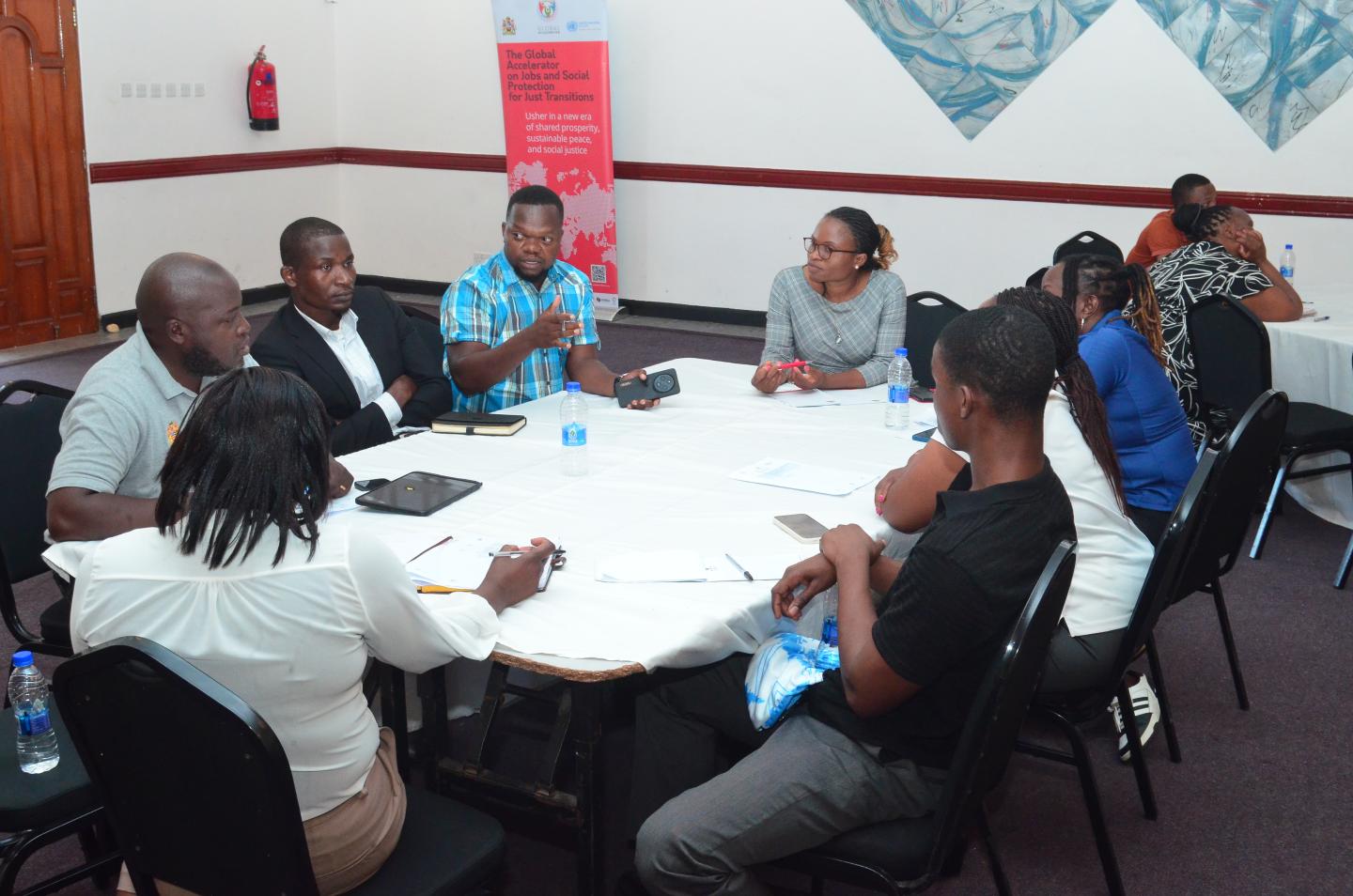
At the conclusion of the training, the impact of the knowledge was evidenced in the participants' discussions. Participants outlined several strategic recommendations aimed at advancing pension reforms in Malawi including:
- Continued capacity Building targeting pension design and administration. Participants called on the ILO and ISSA to provide access to capacity-building opportunities.
- Adoption of a Pillar One Scheme: evidence-based advocacy to promote the adoption of a mandatory social insurance pension scheme aligned with international standards.
- Participants advocated for the establishment of a Social Security Institution to oversee social security programs, which is a critical step toward improving governance and coordination.
- To improve coordination, participants recommended forming a Social Security Technical Sub-Committee, comprising focal points from key institutions, to strengthen coordination under the National Social Protection Steering Committee. Participants advocated for a Comprehensive Diagnostic Review to help identify inefficiencies, risks, and areas for reform.
- Legal Framework Development: The need for a harmonized and comprehensive legal framework for social protection was highlighted to enhance system coherence and sustainability.
“The technical training has come at a critical time. Pension benefits are a promise of a decent livelihood following hard work. The promise of pension should be met with dignity and sustainability, there is a need to think of a system design that is inclusive, resilient and sustainable, ” highlighted Mr Kelvin Chifunda, President, Malawi Congress of Trade Unions.
The workshop underscores Malawi’s commitment to building a more inclusive and sustainable social protection system. By strengthening institutional capacity, aligning with international standards, and fostering collaboration among stakeholders, the country is positioning itself to deliver more reliable and adequate income security for its ageing population.