Rwanda
Rwanda is working on integrating job creation and social protection into national policies, promoting gender equality and the inclusion of vulnerable groups, especially by enabling greater linkages with local economic opportunities, and will contribute to the creation of 250,000 productive and decent jobs annually.
Key figures
Implementing agencies
- FAO
- ILO
- UNDP
- UNICEF
- UN Women
- World Bank
The Global Accelerator uses ILOSTAT and UN data to provide internationally comparable data across the countries engaged, which is based on government data.
Roadmap
Roadmap
Roadmap in implementation
Endorsed in March 2026
Governance
- Ministry of Finance and Economic Planning
- Ministry of Public Service and Labour
Priorities
Global Accelerator and M-GA highlights
- The roadmap has been developed with four priority sub-sectors:
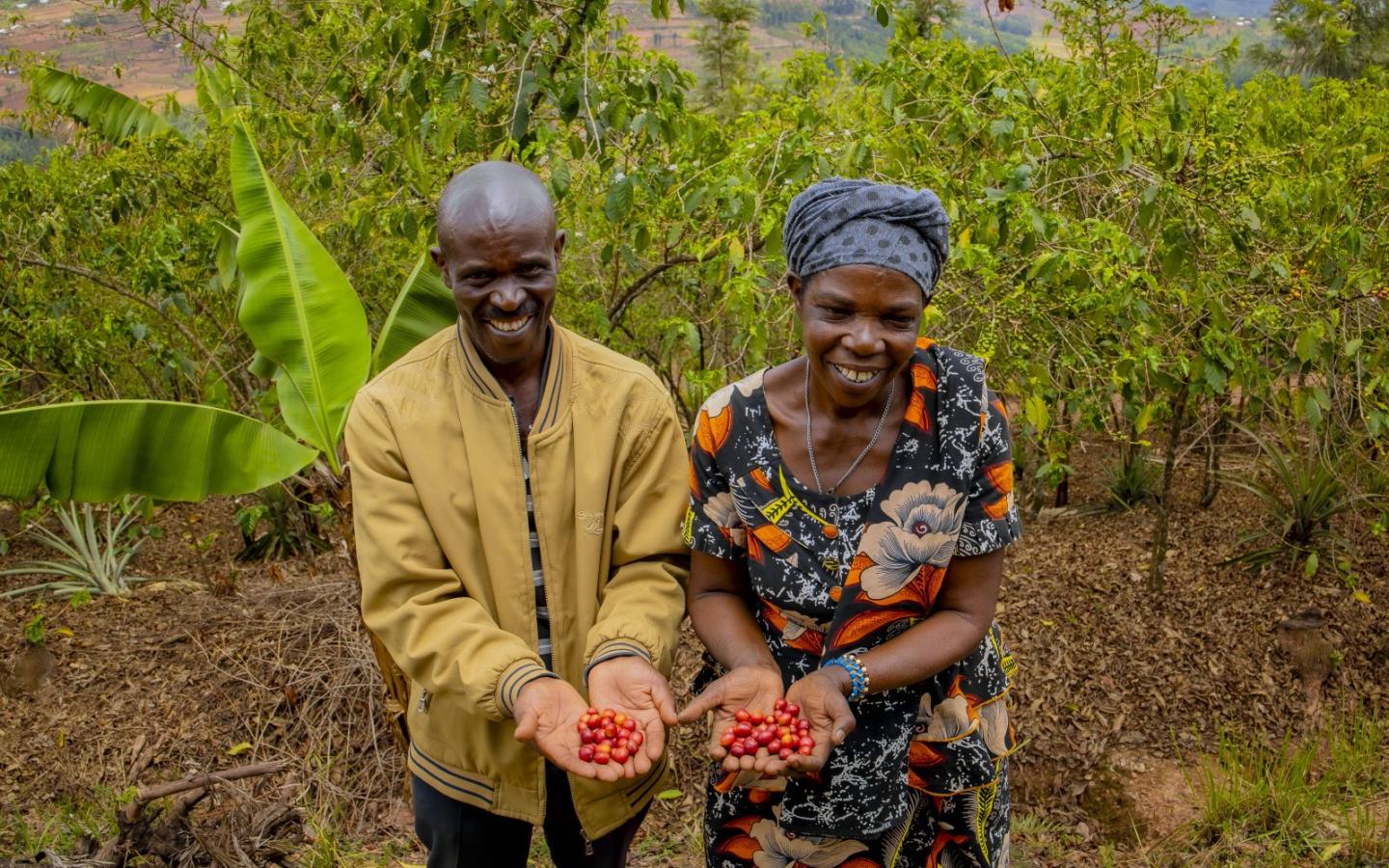
- Agribusiness: value addition, agro-processing, modernised farming, and extending social protection to rural/informal workers (largest employer in Rwanda)
- Manufacturing: Promoting industrial clusters, Integrated Crafts and Production Centres (ICPCs), skills alignment, and made in Rwanda value chains
- Creative industries and digital economy: formalization of freelancers/platform workers, digital skills, entrepreneurship, and e-formality platforms
- Cross-cutting priorities: MSME formalization, gender equality, youth and disability inclusion, climate resilience, and evidence-based policy integration.
- The roadmap is designed as an implementation vehicle for National Strategy for Transformation 2 (2024-2029). The objectives and priority sub-sectors are drawn directly from the strategy and the coordination runs through existing governance structures. The financing strategy is designed to mobilize resources against the priority actions of the NST2, including the central target of 250,000 jobs per year.
- The roadmap also aligns with the UN Sustainable Development Country Framework, by operationalizing its employment and social protection outcomes through the UN system's collective engagement. Along with advancing the SDG commitments on social protection and decent work, it advances AU Agenda 2063 Aspirations 1 and 6.
- Rwanda’s GA Roadmap operationalizes NST2's employment/social protection ambitions at sub-sector level while giving the UN Country Team a shared, UNSDCF-anchored platform to coordinate support which is the basis on which the Financing Just Transition in Rwanda Joint Programme was designed as part of its financing and delivery instrument.
- A study has been undertaken on decent work and social protection as drivers of a gender-transformative agricultural sector in Rwanda.
- A complementary study on decent work and social protection in agriculture has been commissioned to provide evidence-based insights, promote gender-transformative approaches, foster stakeholder engagement and disseminate relevant knowledge.
Projects
2 projects USD 1,525,000
Project
Financing
Status
Funding
Enhancing public works programs for sustainable job opportunities in Rwanda
UNICEF · WFP · World Bank
2025–2027
M-GA
Pathfinder track · Round 2
Ongoing
UN: USD 850,000 World Bank: USD 475,000
Global Accelerator on Jobs and Social Protection for Just Transitions in Rwanda
ILO · UN Women
2025–2026
GA
Seed fund track · Round 1
Completed
UN: USD 200,000
Additional projects and activities
- Financing Just Transitions in Rwanda: Scaling Formalization, Decent Jobs and Social Protection (FJTR)
Partners
- Government Ministry of Finance and Economic Planning; Ministry of Public Service and Labour
- Research and Academia –
- Finance –
- Development partners IOM, UNHCR
Latest news
Read more news
ILO

News
Uzbekistan and Cambodia host ministerial event to showcase progress on social protection, skills and employment in pathfinder countries
11 June 2026
News
23 proposals selected under the second M-GA Funding Round to further country support through UN-World Bank collaboration
12 August 2025
Shutterstock

News
Supporting digitalization and formalization of Rwanda’s economy through worker’s capacity building
06 May 2024
Paul Abel/Pexels
News

