
Protecting workers, strengthening families: Global Accelerator supports manufacturing sector readiness for Malawi’s Workers’ Compensation Fund Rollout
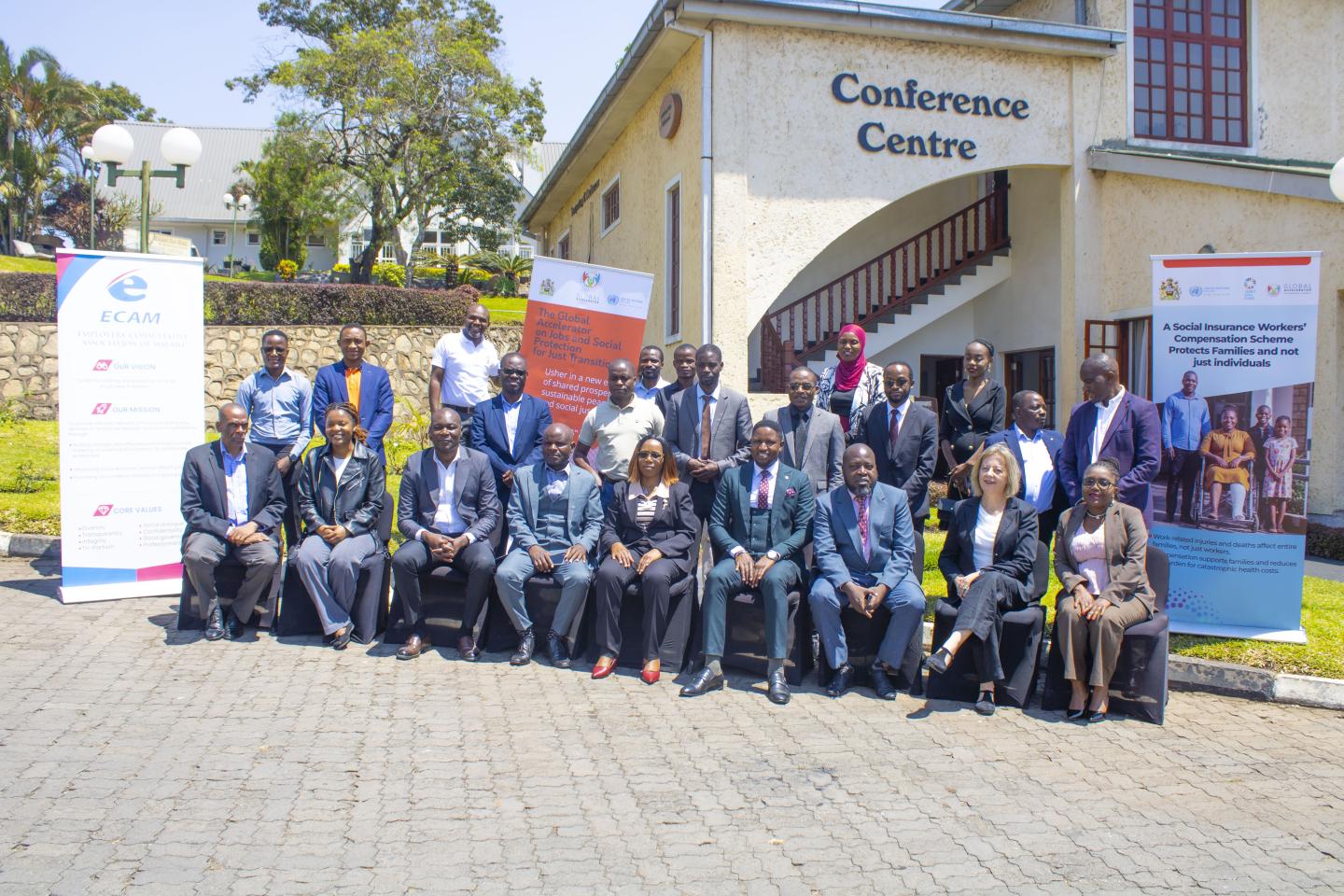
Blantyre, Malawi - The Government of Malawi, in collaboration with the Employers’ Consultative Association of Malawi (ECAM), and with technical and financial support from the Global Accelerator Joint programme, convened a second policy dialogue workshop with the manufacturing sector to foster the phased operationalisation of the workers Compensation scheme in Malawi. The policy dialogue workshop held in Blantyre from 23-24 September, followed a successful dialogue with the Tea Association of Malawi earlier in June, it provided an opportunity for Government, employers, workers’ representatives, and manufacturing industry stakeholders to dialogue on the implementation approach and collectively design solutions that will support effective rollout of the workers compensation scheme.
A total of 25 participants attended the workshop, representing, government, manufacturing companies and Employers' Associations, Workers’ and Trade Union representatives. The Manufacturing Sector recommended the need to strengthen integration between occupational safety and health and workers’ compensation, to intensify awareness and sensitization efforts to enhance awareness to strengthen confidence and encourage compliance during the transition period; and to maintain social dialogue throughout the implementation process through regular engagement with employers, workers, government institutions, and industry stakeholders.
Opening the workshop on behalf of the Secretary for Labour, Skills and Innovation, Mr Arthur Ntandika, Commissioner for the Workers Compensation Division, noted that Government remains committed to establishing a well-governed and financially sustainable fund that will provide adequate protection to workers while remaining responsive to the realities faced by employers.
Representing the Employers Consultative Association of Malawi (ECAM), Mr Richard Tchereko, Vice President of ECAM, noted that the manufacturing sector faces significant occupational safety and health risks, and the existing compensation model is increasingly unsustainable for both employers and workers. So, the transition from the current employer-liability model to a social insurance-based workers’ compensation system is an important policy reform.
Representing the Malawi Congress of Trade Unions, Mr Charles Mikundi stressed that social protection is a fundamental workers’ right, he called for the expeditious establishment of the Fund and emphasized the need for transparency, accountability, and sound governance systems to safeguard contributions and ensure effective service delivery. He further urged Government to explore avenues for extending protection to workers in the informal economy, who constitute a significant proportion of Malawi’s labour force.
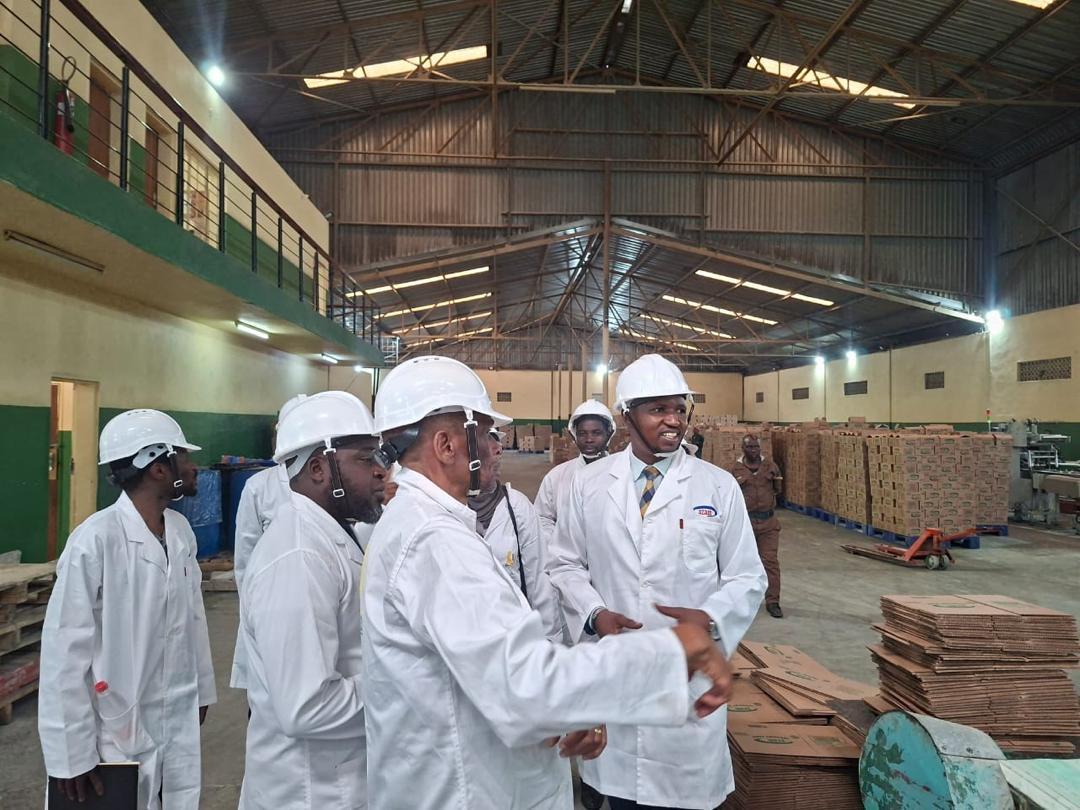
The workshop reflected a shared commitment to strengthening workers compensation system that will ensure that workers who suffer occupational injuries and diseases have access to adequate compensation and support while recognising the need to consider the administrative, operational, and financial realities facing employers within the manufacturing sector. As part of the dialogue, representatives from Government, Employers and the ILO conducted a joint field visit to Bakhressa Malawi Limited, one of Malawi’s leading manufacturers of wheat flour, cooking oil, laundry and toilet soaps providing an opportunity to understand workplace processes, and potential every day occupational injury risks. While Bakhressa management maintains high occupational safety and health standards, the company's management expressed strong support for establishment of the Workers’ Compensation Fund and encouraged Government to expedite its operationalization.
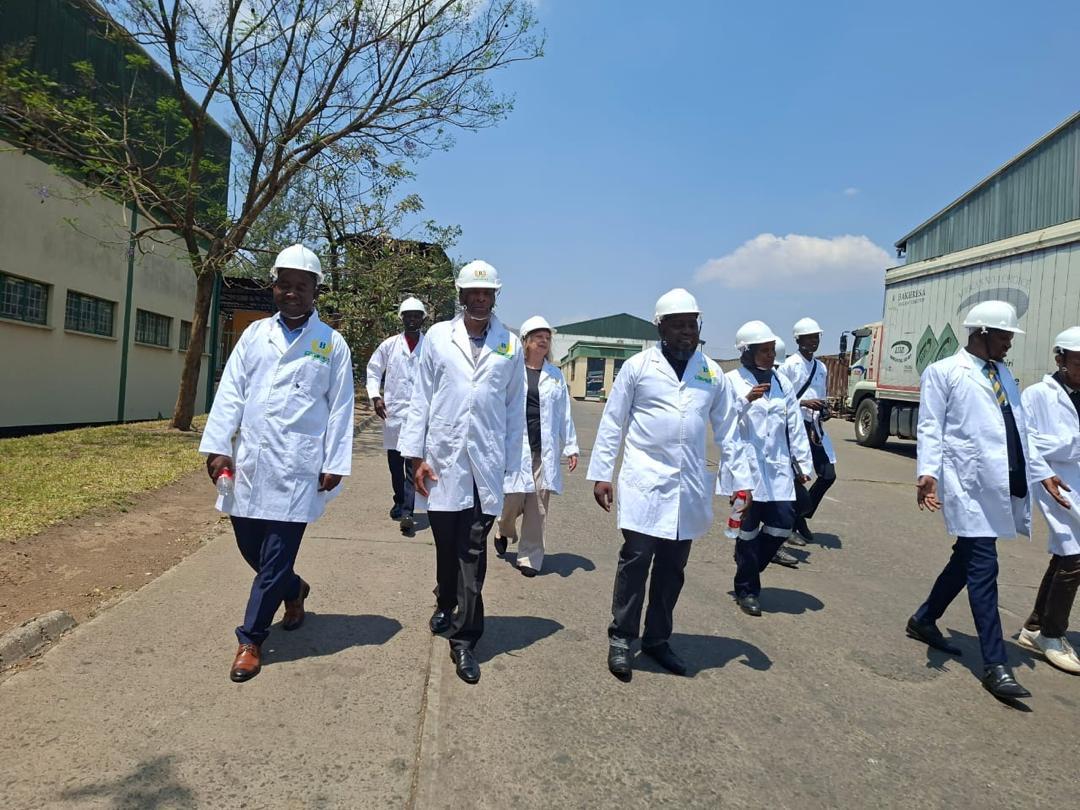
“The establishment of the Workers’ Compensation Fund is a welcome development. We strongly support this initiative and urge the Government to expedite its operationalisation,” said Mr Venkatesh Rao Pattipati, General Manager.
Ms Gloria Zimba, President, Manufacturers Association of Malawi, highlighted several challenges currently faced under the employer-liability compensation model.
“The current employer-liability compensation system presents a lot of challenges, including delays in accident investigations, difficulties in accessing and validating medical records, unrealistic compensation claims, lengthy legal processes, and misunderstandings relating to insurance arrangements. For the manufacturing sector we believe that a workers compensation scheme is not only a legal obligation, it is also a risk management, financial planning, employee relations and occupational safety and health issue, a predictable, timely and well-designed system will equally benefit both the employers and injured workers” said Ms Gloria Zimba, President, Manufacturers Association of Malawi.
The manufacturing sector dialogue marks another important step towards establishment of Malawi’s Workers’ Compensation Fund. The manufacturing sector expressed strong support for the phased implementation approach and reaffirmed its readiness to participate in the transition towards a social insurance-based workers’ compensation system. As Malawi advances towards a modern workers’ compensation system, continued collaboration among Government, Employers, Workers, and development partners will be essential to ensure that all workers have access to adequate protection against work-related injuries and diseases while promoting productivity, decent work, and sustainable economic growth.