
Breaking barriers: How women’s leadership is growing prosperity at Bulala Cooperative
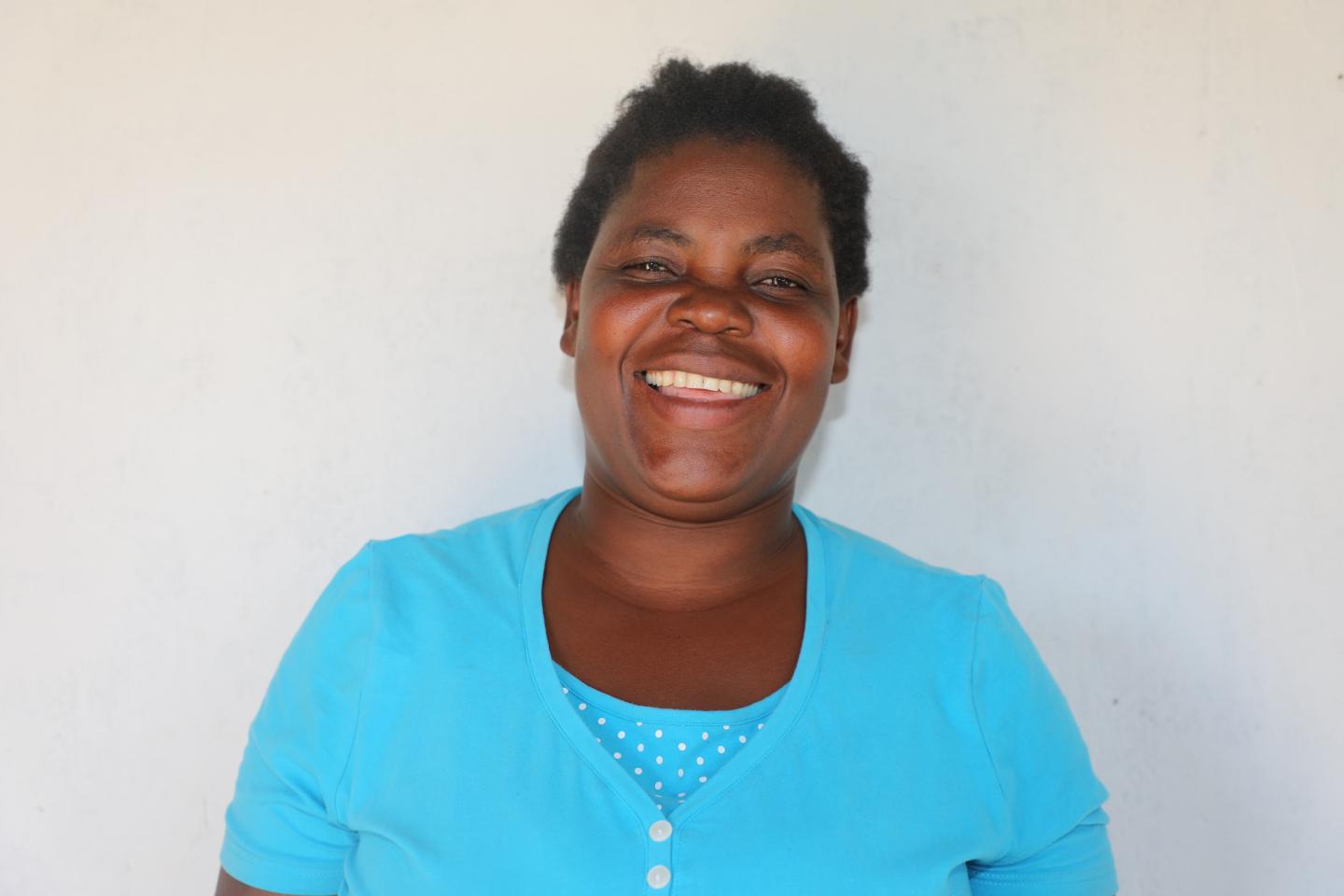
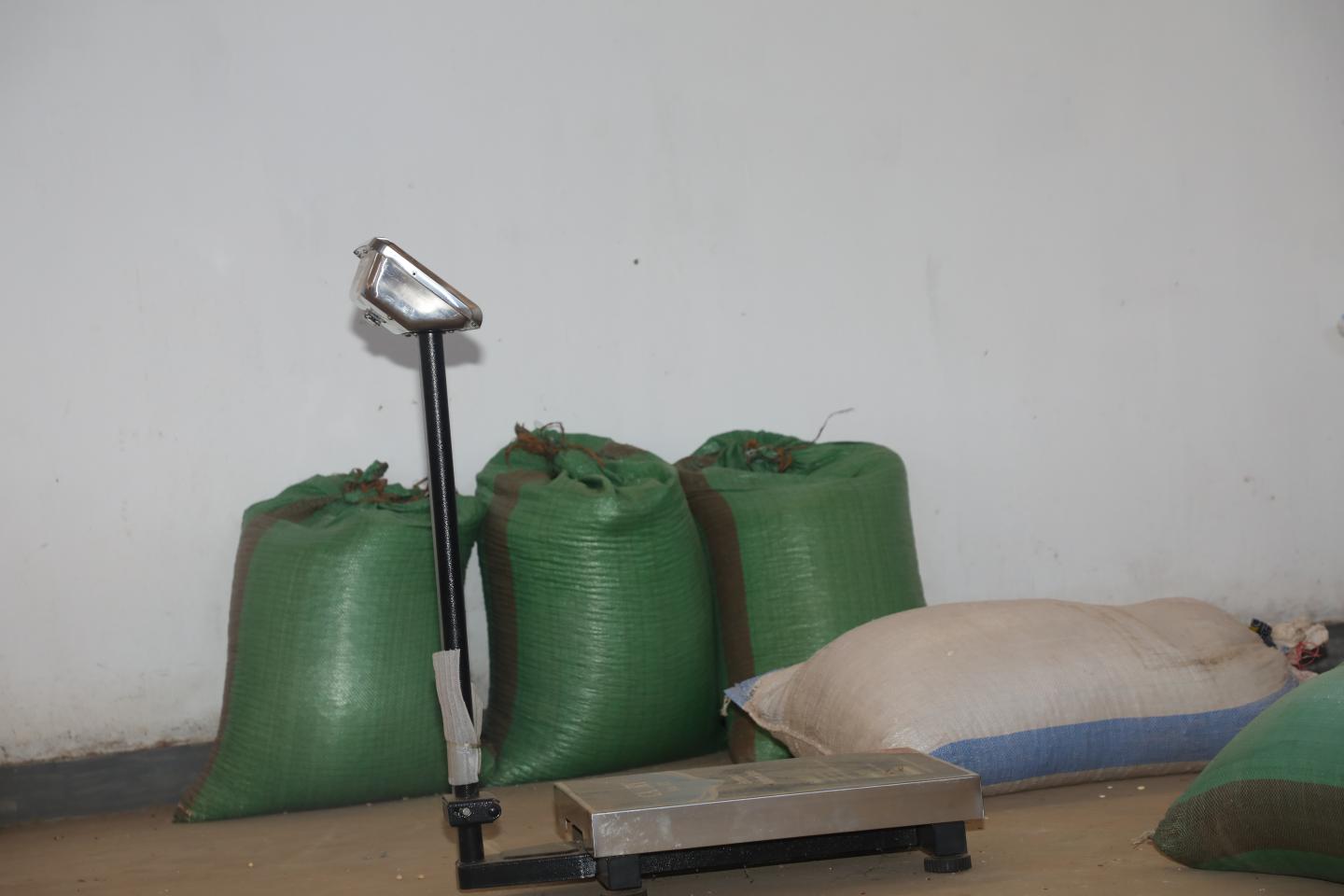
The skills and knowledge gained through the cooperative have translated into tangible improvements for Olive and her household. Using improved farming practices, she purchased three bags of fertilizer for her two-acre maize field. During the most recent farming season, her maize harvest increased from 20 bags to 25 bags, while her one-acre groundnut field produced 10 bags of groundnuts.
The increased production has significantly strengthened her household’s food security and reduced the family's vulnerability to economic shocks. Equally important, Olive notes that leadership training and household visioning approaches have improved decision-making within her home.
"Today, I involve my family in making decisions. We plan together and discuss what is best for our household," she explains.
The benefits extend far beyond one household.
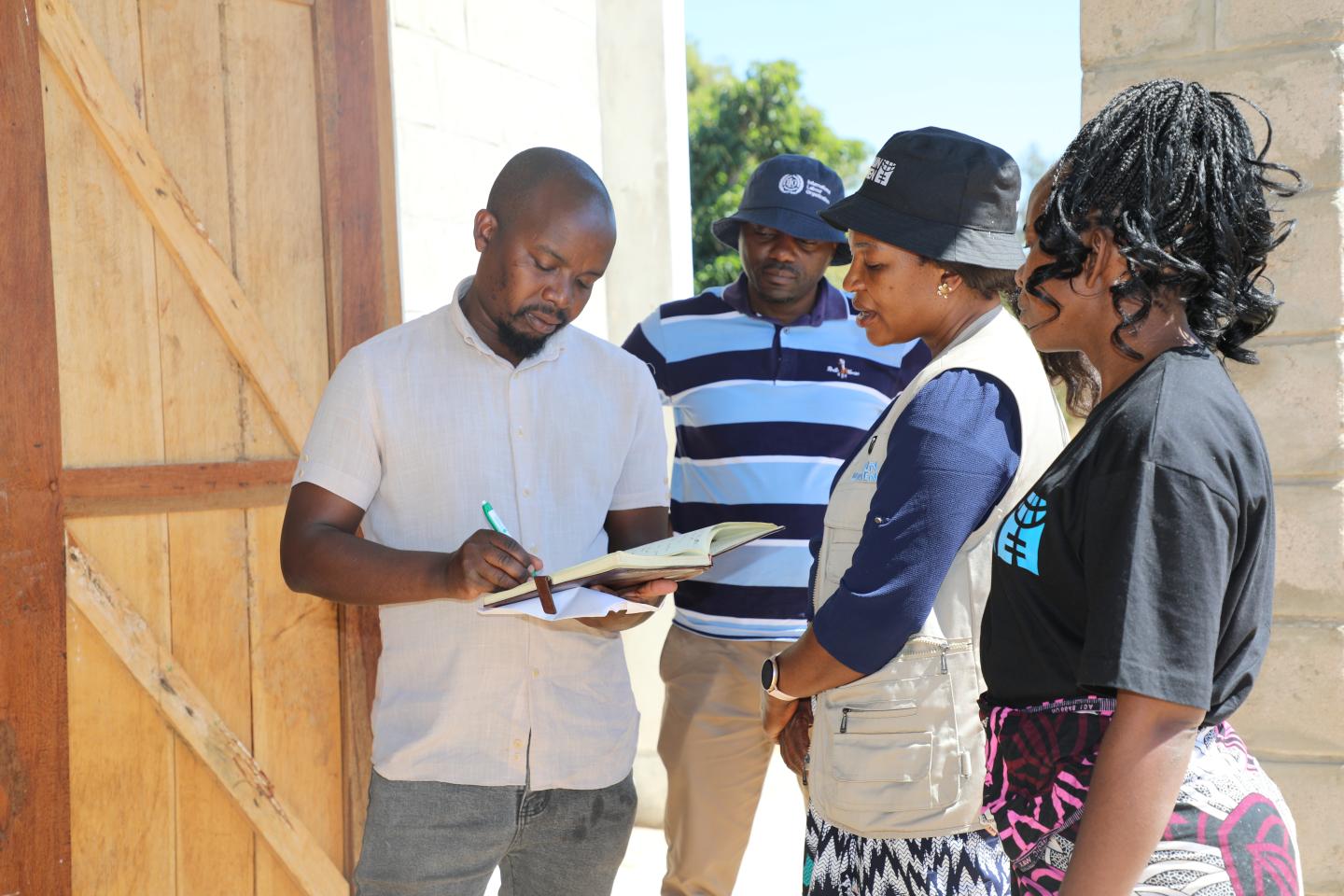
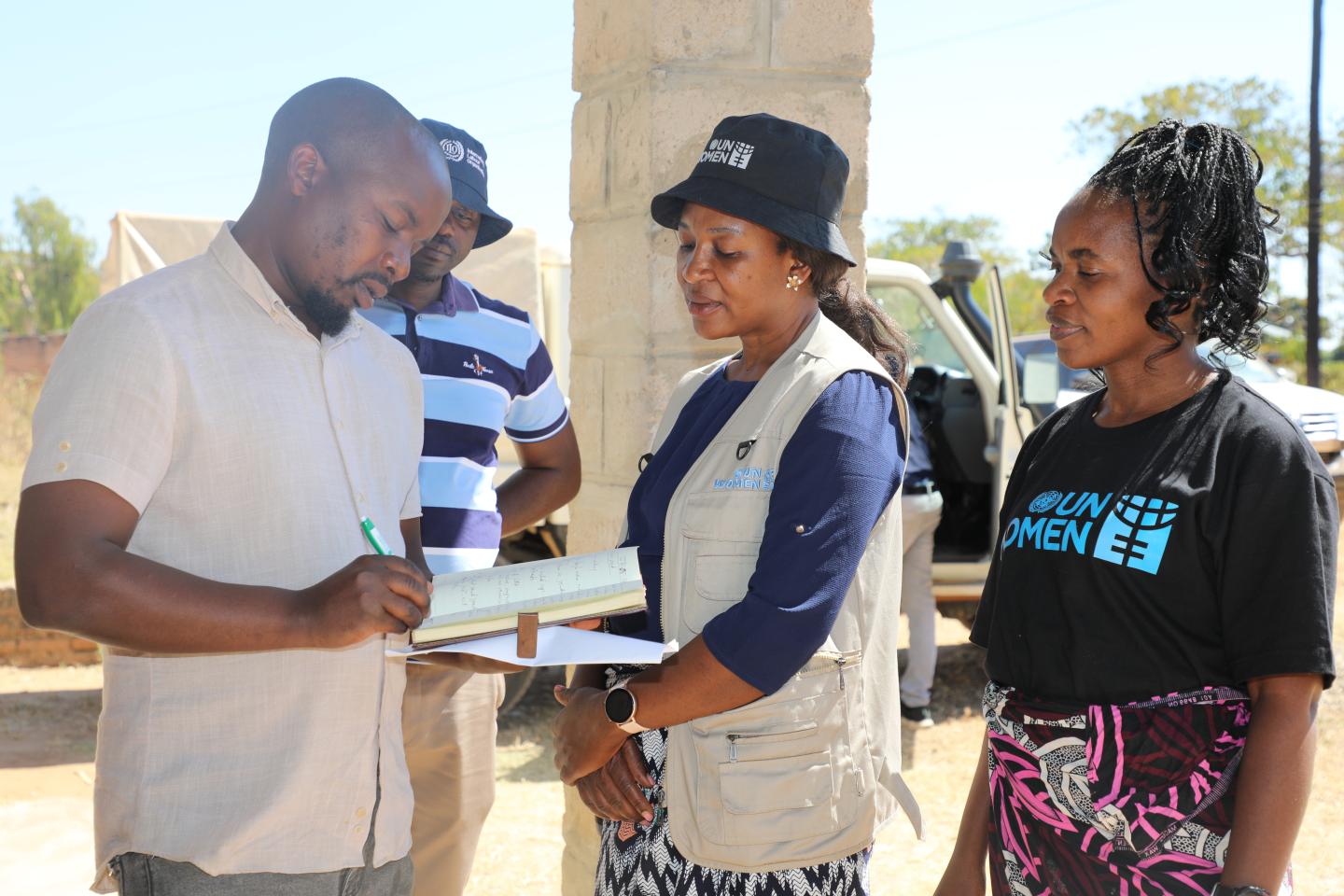
Bulala Cooperative has adopted climate-smart agriculture on 92 hectares, agroforestry on 42 hectares, and conservation agriculture practices that help farmers adapt to changing weather conditions. The cooperative has also contributed to the creation of 1,350 new jobs, including 810 jobs for women, and supported 810 improved jobs, of which 486 have benefited women in their community. These achievements demonstrate how women-centred agricultural initiatives can contribute to inclusive economic growth while creating opportunities for rural communities.
Today, Bulala Cooperative is supplying seeds to Malawi's Home-Grown School Feeding Programme through a World Food Programme tender secured in 2023, creating new market opportunities for members and strengthening the cooperative's sustainability.
The cooperative is earning more money in farming than before. In the 2025/2026 season, revenue increased from over MWK 60 million to more than MWK 90 million through the sale of maize, groundnuts, and soybeans. This is a significant increase compared to the 2024/2025 season, when the cooperative earned over MWK 60 million, including MWK40 million from soybeans, MWK 18 million from maize, and MWK 4 million from groundnuts.
The cooperative has reinvested part of its earnings in a pass-on livestock programme, purchasing 20 goats, 31 pigs, and 10 cattle to support member households and strengthen community livelihoods.
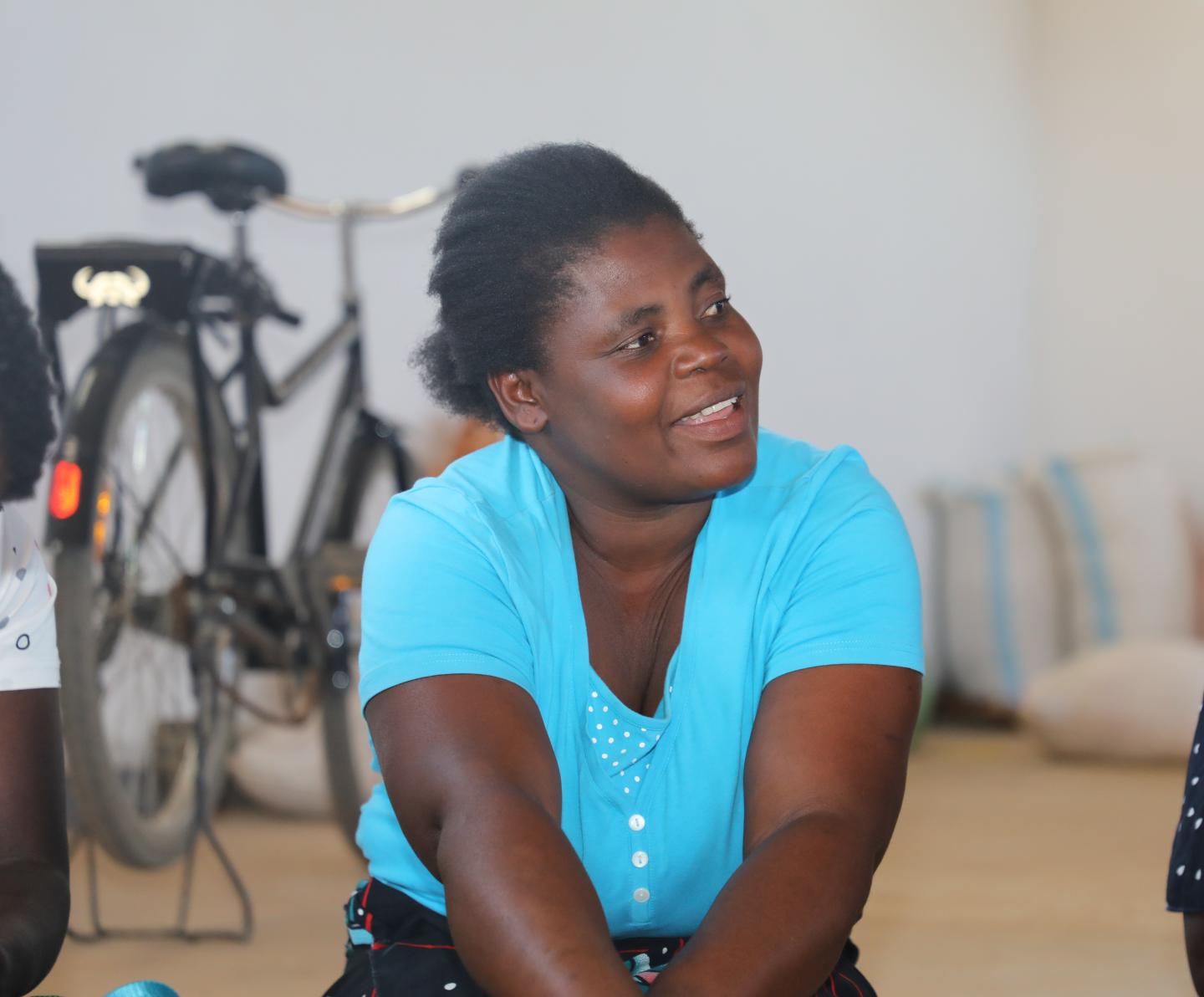
The cooperative's ambitions continue to grow. Members hope to establish honey and groundnut processing facilities, expand value addition activities, and create even more opportunities for women, youth, and smallholder farmers.
For Olive, however, the greatest achievement is seeing what women can accomplish when they are trusted to lead.
Her journey demonstrates that empowering women in agriculture is not only about increasing productivity. It is about changing mindsets, strengthening households, and creating pathways for communities to prosper together.
When women lead, the benefits ripple far beyond the farm.