
Stronger together: How collective action is transforming livelihoods for farmers in Malawi
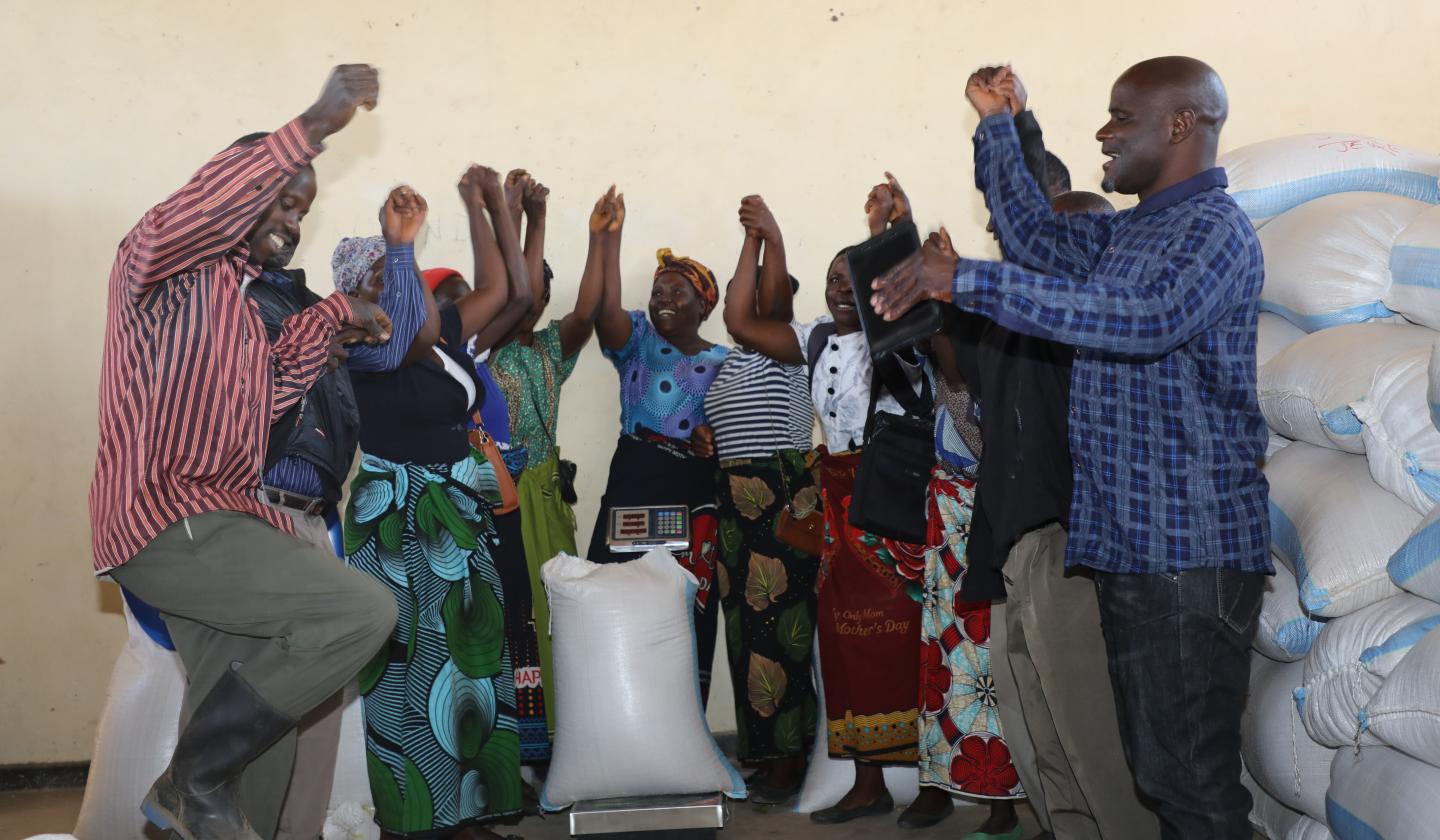
Mzimba, Malawi - For many smallholder farmers in Malawi, producing crops is only part of the challenge. Accessing reliable markets, securing fair prices, and adopting modern farming practices often remain significant barriers to improving incomes and livelihoods.
Farmers at the Chindindindi cooperative in Mzimba district experienced these challenges firsthand. Individually, members struggled to find buyers for their produce and lacked the bargaining power needed to negotiate better prices. Climate-related challenges, including erratic rainfall, also threatened productivity and food security. As a result, opportunities for economic growth remained limited, particularly for women, youth, and other vulnerable groups.
Through the joint programme "Accelerating Employment Creation and Social Protection through Integrated Agriculture Value Chain Development," UN Women has supported the cooperative to strengthen both agricultural productivity and business performance.
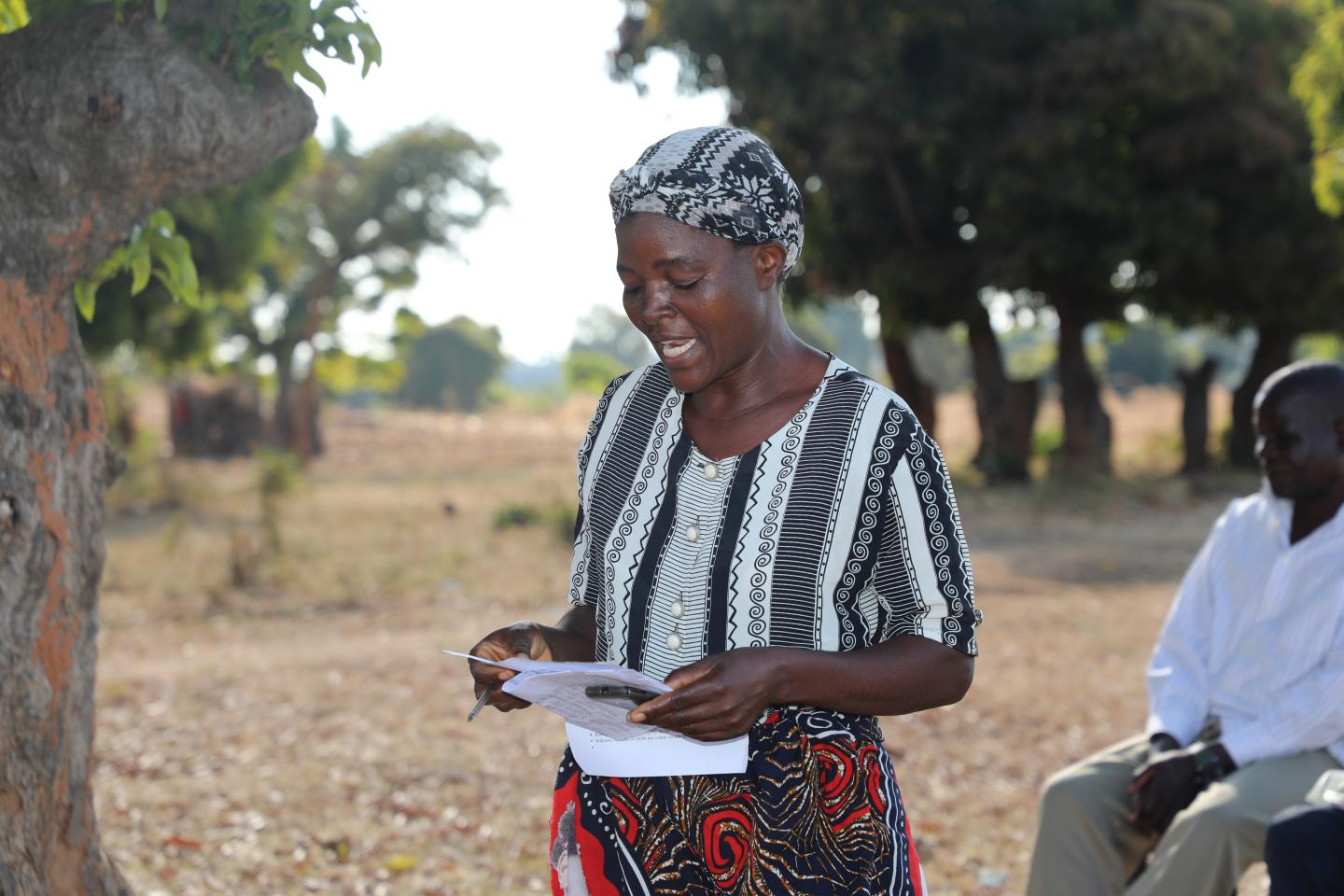
UN Women provided training the cooperative, whose membership has grown from 117 members in 2025 to 210 members in 2026, comprising 120 women, 90 men, 31 youth, and 5 persons with disabilities. The members have acquired skills and knowledge in climate-smart agriculture, conservation agriculture, agroforestry, market surveys, value addition, crop calendars, gender-responsive agribusiness, household vision journey and gender-balanced tree approaches.
In addition, UN Women supplied a digital weighing scale, which the cooperative hires out to generate additional income for its operations. The cooperative has also benefited from Village Savings and Loans (VSL) activities and collective marketing arrangements, enabling members to access a ready market through Renaissance Agriculture and secure better prices for their produce.
The results have been remarkable!
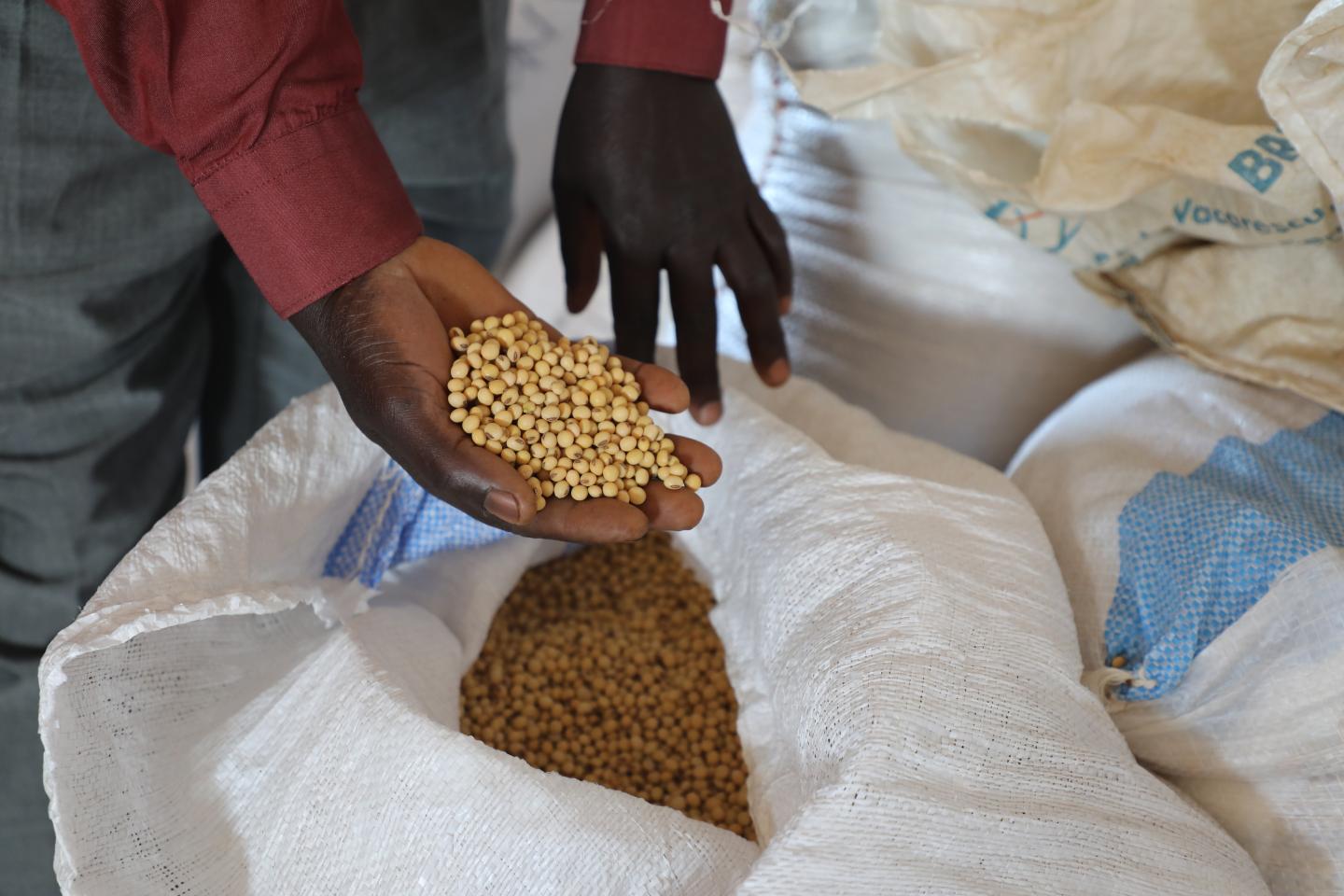
Through climate-smart farming practices, improved water harvesting on 180 hectares of land, and manure application on 960 hectares, soybean production increased from 1,210 bags (60,480 kgs) in the 2024/25 season to 1,411 bags (70,550 kg) in the 2025/26 season, translating to projected cooperative earnings rise from MWK 151.2 million to MWK 211.65 million, representing a substantial increase in household income for members.
The impact extends beyond farm production: The cooperative is translating increased incomes into tangible household and business investments. Approximately 18 per cent of members have built modern houses, 9 per cent have acquired farming equipment such as plough ridgers, 4 per cent have purchased motorcycles and started transport businesses, 3 per cent have bought ox-carts, and 2 per cent have invested in livestock, including goats and cattle. Additionally, 72 per cent of members purchased fertilizer through the cooperative, acquiring a total of 644 bags, while one youth member invested in a vehicle.
The cooperative's activities have also generated significant employment opportunities across their community, creating 5,727 new jobs, including 2,973 for women and 1,010 for youth, and 3,364 improved jobs, including 1,603 for women.
Beyond the numbers, members report improved household decision-making, greater food security, and increased confidence in planning for the future.
While significant progress has been made, the cooperative continues to face challenges, including erratic rainfall, pests and diseases, limited transport capacity, and the absence of a processing facility for soybean and sunflower oil. The group's next ambition is to establish a processing unit, purchase a transport vehicle, expand into irrigation and fish farming, and continue building resilience against climate-related shocks.
Their journey demonstrates how combining gender-responsive support, climate-smart agriculture, access to markets, and collective action can unlock economic opportunities and create lasting change for rural communities.
For Chindindindi cooperative, agriculture is no longer simply a means of survival. It is becoming a pathway to prosperity, resilience, and inclusive growth.