
Building a stronger agricultural skills system: Trainers equipped to deliver harmonized horticulture and dairy curricula in Malawi

Salima, Malawi – The International Labour Organization (ILO) in collaboration with UN Women, under the Global Accelerator High Impact Track Joint Programme, successfully trained an additional 30 trainers from across Malawi to roll out the newly developed harmonised curricula in horticulture and dairy production, strengthening the country's agricultural skills ecosystem and supporting improved productivity, employment, and livelihoods.
The week-long Training of Trainers (ToT) workshop, held in Salima, brought together participants from government, Technical and Vocational Education and Training (TVET) institutions, TEVETA, development partners, and non-governmental organizations from the Northern, Central, and Southern regions of Malawi.
The training forms part of Malawi's continued efforts to operationalise the Global Accelerator national road map through promotion of decent work, skills development, social protection, and productivity growth in key economic sectors. Agriculture remains one of the country's priority sectors, with horticulture and dairy subsectors presenting significant opportunities for job creation, enterprise development, food security, social protection and inclusive economic growth.
Officially opening the workshop, Ms Chifundo Lodzeni, Senior Deputy Director for the Department of Vocational Training in the Ministry of Labour, Skills and Innovation, emphasized the importance of practical skills development in transforming the agricultural sector. "Skills development is not just about training participants theoretically but also teaching them the reality on the ground," said Lodzeni.
She noted that the training was designed to ensure participants acquire practical skills that enhance productivity in agriculture, while preparing them to deliver high-quality training that responds to the needs of farmers and industry. Ms Lodzeni further highlighted the Ministry's commitment to maintaining high training standards while ensuring that skills development programmes remain relevant to labour market demands. "Our mandate is to ensure that the curriculum remains responsive to industrial demand without compromising standards," she added.
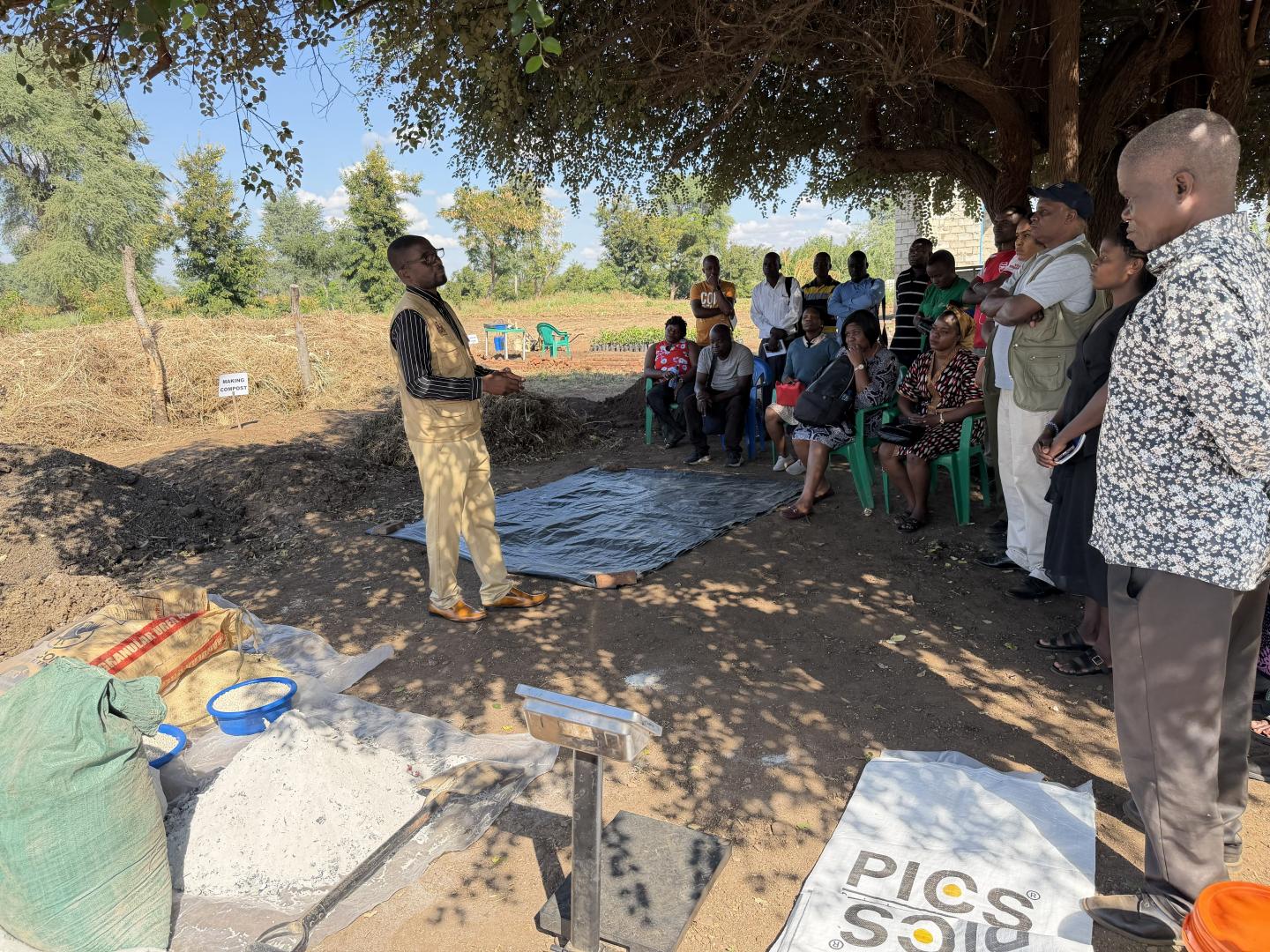
The harmonised horticulture and dairy curricula were developed to standardize training delivery across institutions, improve quality assurance, and align agricultural skills development with national priorities and labour market needs. During the workshop, participants received training on competency-based education and training (CBET) methodologies, learner-centred facilitation approaches, technical content delivery, assessment methods, and quality assurance mechanisms aligned with TEVETA standards.
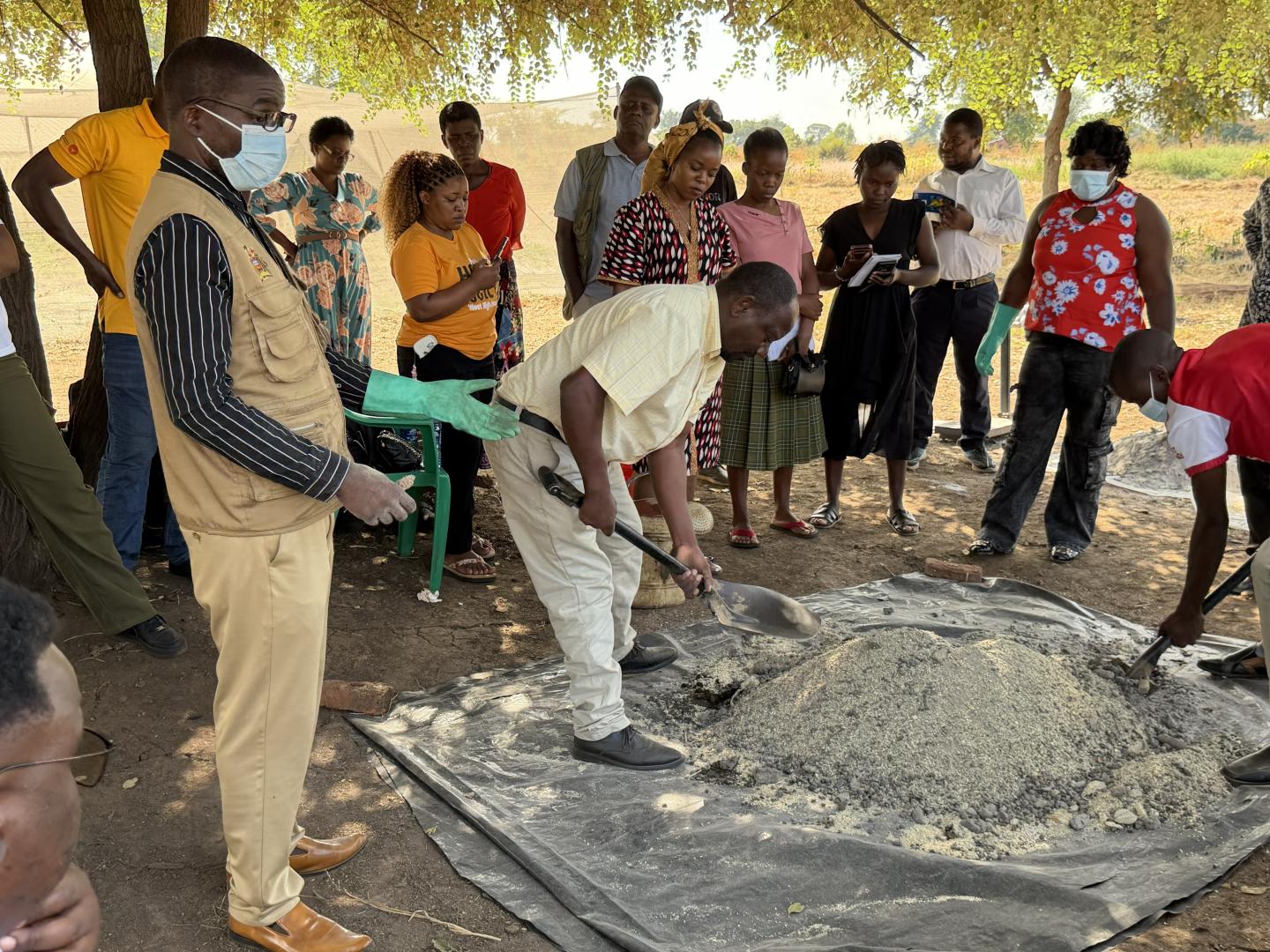
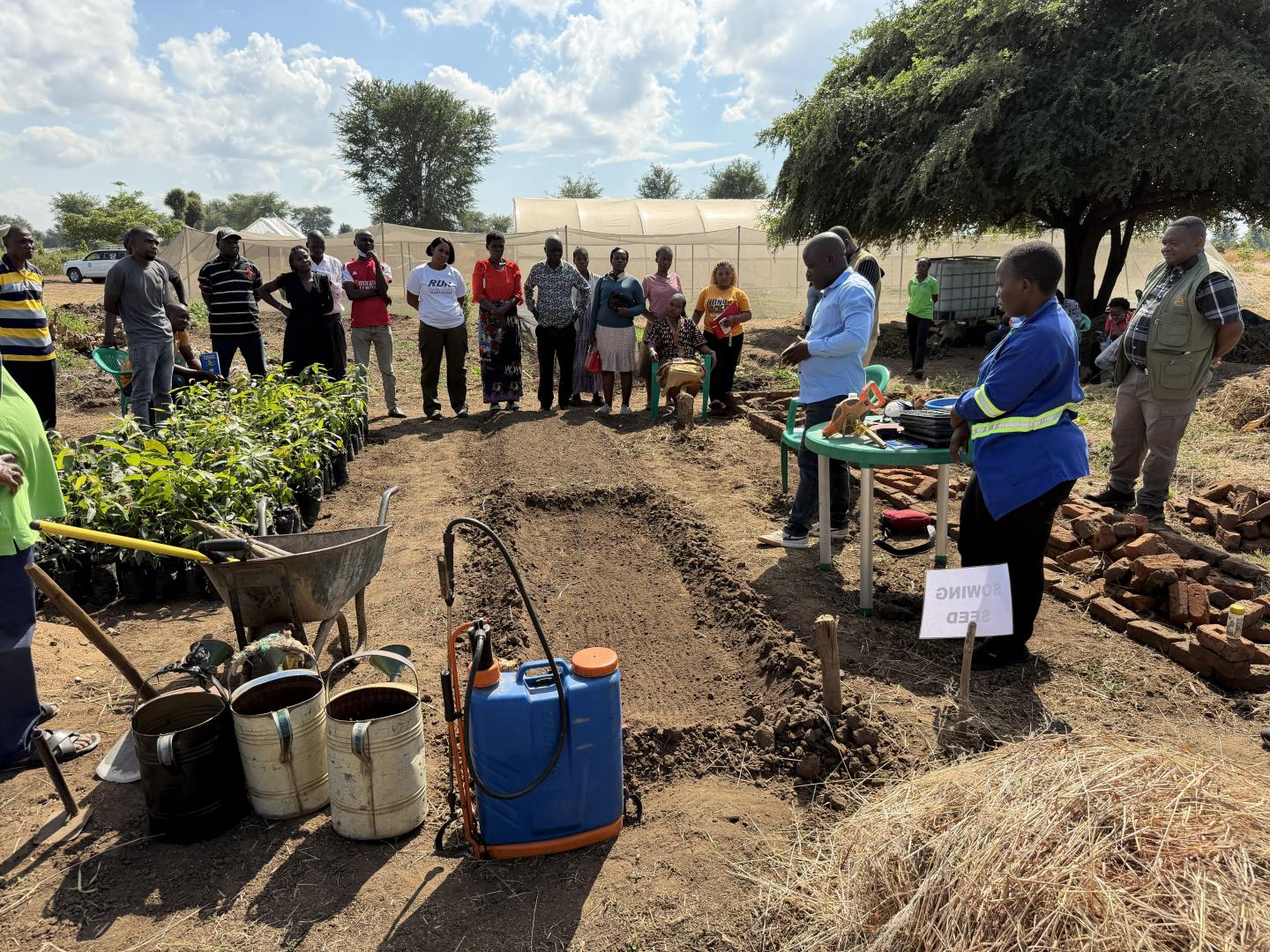
A key highlight of the training was the field-based practical sessions conducted in horticulture and dairy production. Participants visited production sites where they engaged in practical learning, where they delivered mock lessons based on the harmonised curricula. The practical exercises enabled trainers to strengthen both their technical expertise and facilitation skills while gaining experience in applying competency-based training approaches in real-world settings.
For many participants, the training represented a significant shift in how agricultural knowledge can be delivered to farmers and trainees.
Ms Lilian Tomoka, Agriculture Extension Development Coordinator for Nachisaka Extension Planning Area in Dowa District, who supports 31,977 farmers, said the training had enhanced her ability to facilitate impactful learning experiences. "We have acquired skills and technical knowledge on delivering impactful training that is learner centred," she said.
Similarly, Mr Edwin Simukoko, Agriculture Extension Development Coordinator for Bulala Extension Planning Area, who supports 14,830 farmers, said the competency-based approach would improve the effectiveness of extension services beyond the new curricula. "The Competency-Based Education and Training approach we learnt has improved on how to deliver the materials not only in the new curricula but on all the support we provide the farmers," he said.
By strengthening the capacity of trainers from government institutions, TVET providers, and partner organizations, the initiative is expected to improve the quality and consistency of agricultural training nationwide. Participants also developed action plans to roll out the curricula within their respective institutions and districts, through training additional colleagues, and piloting training modules over the coming months.
The workshop concluded with participants expressing confidence in their readiness to implement the harmonised curricula and support farmers, youth, and aspiring entrepreneurs to acquire market-relevant skills in horticulture and dairy value chains.
As Malawi continues to advance the implementation of the Global Accelerator national road map, investments in practical, competency-based skills development will play a critical role in increasing agricultural productivity, creating employment opportunities, and building resilient livelihoods for communities across the country.